Basic Properties and Safety of Dispersant NNO
Basic introduction
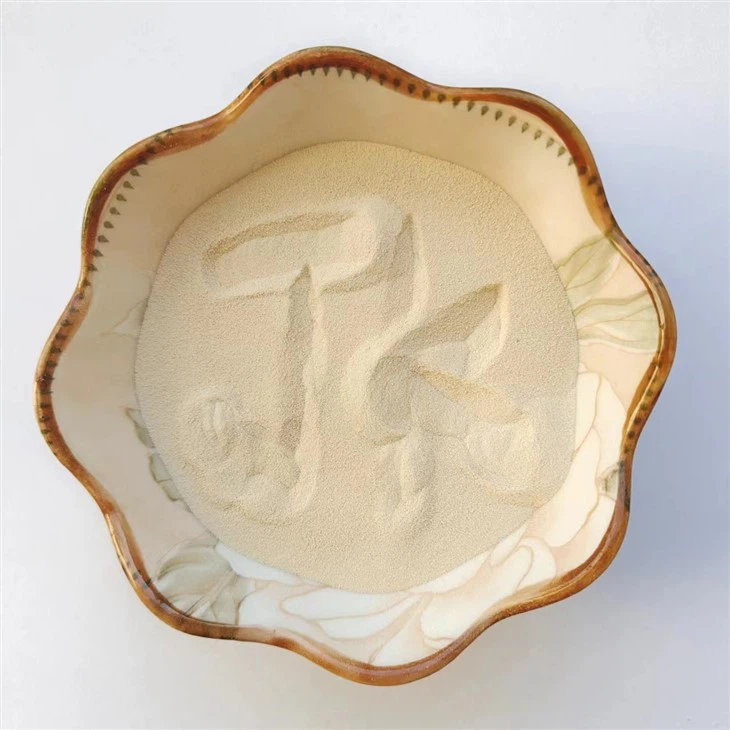
- Composition: The main component is sodium methylene binaphthalenesulfonate/sodium naphthalene sulfonate, which is usually a light brown powder.
- Performance features: It has excellent dispersion performance, enabling solid particles to be evenly dispersed in liquid media, preventing particle agglomeration, and enhancing the stability of the suspension.
- CAS NO.: 9084-06-4
- Application fields: Widely used in industries such as dyes, pigments, pesticides, coatings, and rubber. In the dye industry, it can be used as a dispersant during dye grinding, which helps to improve the fineness and coloring power of dyes. In the pesticide industry, it can better disperse the active ingredients of pesticides in water and improve the application effect of pesticides.
Chemical properties
- Solubility: Readily soluble in water, and its aqueous solution is neutral. It can ionize into sodium ions and methylene binaphthalenesulfonate ions in water, thereby exerting a dispersing effect.
- Stability: It has good chemical stability and is not prone to decomposition under normal acidic or alkaline conditions. However, under special conditions such as high temperatures and strong oxidants, chemical reactions may occur, leading to a decline in its dispersion performance.
- Surface activity: It has certain surface activity, which can reduce the surface tension of the liquid, making solid particles more easily wetted by the liquid and thereby enhancing the dispersion effect.
Physical properties
- Appearance: Usually a light brown powder, the color may vary slightly due to differences in production processes and impurity content.
- Density: The density is approximately 1.3-1.4g/cm³.
- Odor: There is a slight special odor.
- Hygroscopicity: It has a certain degree of hygroscopicity and is prone to absorbing moisture from the air in a humid environment. Therefore, it needs to be stored in a sealed container to prevent caking and performance changes.
Toxicity and hazardous properties
- Non-toxic and non-hazardous: NNO dispersant (chemical name sodium methylene binaphthalenesulfonate) is not classified as a hazardous chemical. It has no acute toxicity during regular use, but long-term inhalation of dust or direct skin contact should be avoided.
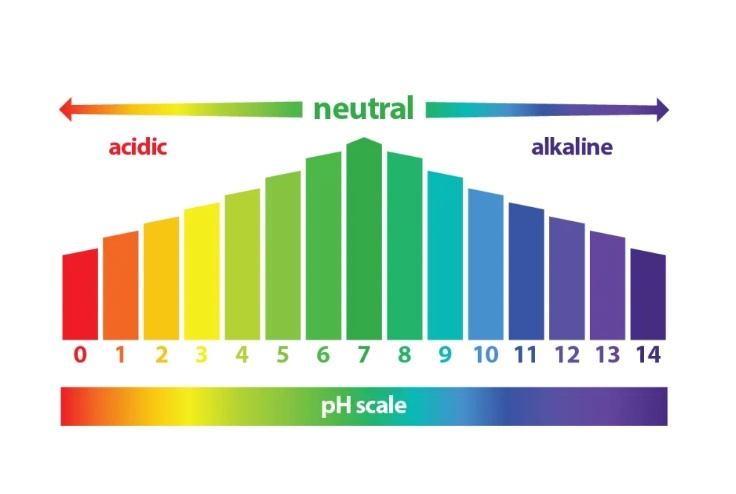
- Corrosiveness: The pH value is 7-9 (neutral to weakly alkaline). It has no strong corrosiveness to metal equipment, but long-term contact may cause slight oxidation to materials such as copper and aluminum. It is recommended to store it in corrosion-resistant containers.
Storage and operation Specifications
- Storage conditions: It should be stored in a cool (≤40℃), dry and well-ventilated place, avoiding high temperature and humidity. The shelf life is usually 2 years.
- Protective measures: Goggles, gloves and dust masks must be worn during operation. If it comes into contact with the skin, rinse with clean water for 15 minutes.

Core Application Fields
Dye industry
- Disperse dye processing: NNO is a key auxiliary agent for disperse dyes, VAT dyes and reactive dyes, which can improve the uniformity of dye particles and reduce agglomeration.
- Combination with MF: MF (methylnaphthalene sulfonic acid formaldehyde condensation product) has a higher heat resistance (150℃). When compounded with NNO (130℃), it can enhance the high-temperature dyeing effect and form a complementary combination.
Other industrial fields
| The field | The application | Performance improvement effect |
| Papermaking | Fiber dispersion | The strength of the paper increases by 10% to 15% |
| Pesticide | Wettable powder dispersion | The duration of the drug's efficacy is extended by 20% |
| Water treatment | Removal of suspended solids and colloids | The turbidity of water quality has decreased by 30% |
| Paint | Pigment dispersion and anti-settling | The stability of the coating has been enhanced by 25% |

Performance Comparison with Other Dispersants
Comparison with MF
| Indicators: | NNO dispersant | MF dispersant |
| Temperature resistance: | ≤130℃ | ≤150℃ |
| Dispersion efficiency: | Applicable to conventional dyes | High-fineness dyes are better ground |

Comparison with CNF
- High-temperature resistance: CNF (benzyl naphthalene sulfonic acid formaldehyde condensation product) can withstand temperatures up to 180℃ and is suitable for high-temperature processing fields such as ceramic slurry.
- Chemical structure: CNF contains a benzyl structure. Its dispersion stability is superior to that of NNO, but its cost is 30% higher.
Comparison with SS
- CNF (benzyl naphthalene sulfonic acid Formaldehyde Condensation Product) can withstand temperatures up to 180℃ and is suitable for high-temperature processing fields such as ceramic slurry.
- Chemical structure: CNF contains a benzyl structure. Its dispersion stability is superior to that of NNO, but its cost is 30% higher.
Raw Materials and Grades of Dispersant NNO
Production process and main raw materials
- Key steps: Sulfonation of refined naphthalene (135℃) → condensation of formaldehyde (120℃) → neutralization (sodium hydroxide) → Drying into powder.
- The rise and fall of raw materials directly affect the terminal price of the finished product "dispersant NNO". One can pay more attention to the changes in raw materials. Check the "price trend, current price in the historical range" as one of the bases for purchasing products.
Products Grades
JK-JNNO-A Dispersant NNO(Na2SO4≤3%)
JK-JNNO-B Dispersant NNO(Na2SO4≤15%)
JK-JNNO-C Dispersant NNO(Na2SO4≤22%)
What is the role of dispersant NNO in dyeing polyester?

Disperse dyes
Disperse dyes are commonly used in polyester dyeing. The dispersant NNO can evenly disperse dye particles in the dyeing solution, prevent dye aggregation and precipitation, and ensure that the dye is evenly distributed in the dyeing solution in the form of fine particles, thereby improving the dispersion stability of the dye and ensuring the uniformity of dyeing.
Promote dyeing
It helps the dye penetrate better into the interior of polyester fibers. Dispersant NNO can reduce the surface tension of the dyeing solution, making it easier for the dyeing solution to wet the fiber surface. At the same time, it helps dye molecules adsorb and diffuse on the fiber surface, accelerating the dyeing process and improving the dyeing efficiency.
Leveling effect:
It helps the dye penetrate better into the interior of polyester fibers. Dispersant NNO can reduce the surface tension of the dyeing solution, making it easier for the dyeing solution to wet the fiber surface. At the same time, it helps dye molecules adsorb and diffuse on the fiber surface, accelerating the dyeing process and improving the dyeing efficiency.
Prevent dye migration:
It helps the dye penetrate better into the interior of polyester fibers. Dispersant NNO can reduce the surface tension of the dyeing solution, making it easier for the dyeing solution to wet the fiber surface. At the same time, it helps dye molecules adsorb and diffuse on the fiber surface, accelerating the dyeing process and improving the dyeing efficiency.
What is the high-temperature resistance of the dispersant NNO?
Dispersant NNO usually remains relatively stable at a high temperature of around 130℃. However, in practical applications, its high-temperature resistance may be affected by specific usage environments, interactions with other substances, and other factors.

PH value of dispersant NNO in dyeing polyester
- The dispersant NNO usually remains relatively stable at a high temperature of around 130℃. However, in practical applications, its high-temperature resistance may be affected by specific usage environments, interactions with other substances, and other factors.
- The dispersant NNO usually remains relatively stable at a high temperature of around 130℃. However, in practical applications, its high-temperature resistance may be affected by specific usage environments, interactions with other substances, and other factors.