
Leather Chemicals
Your Professional Leather Chemicals Supplier
Shanxi Jiankai Fine Chemicals Co., Ltd is one professional supplier of chemical additives in China, it is located in the first place called China-Yuncheng, it is also the hometown of Guan Yu. Besides from focusing on quality, we also pay attention to technology innovation. In recent years JIANKAI Chemicals constantly develops more and more new additives through the positive cooperation with famous laboratories and other enterprises.
Why Choose Us
Production Ability
The company has three own cooperative factories, total 20 production lines. To supply stable and excellent products to customers.
Customized Service
The company"Customized production" consept is initially posted and implemented, which is to satisfy customer's needs more well from different industries.
Technology Innovation
JIANKAI Chemical constantly develops more and more new additives through the positive cooperation with famous laboratories and other enterprises.
Quality Control
Our From raw materials incoming, products manufacturing till finished products inspection and output, strict control measures is taken in every segments.
After-sale Service
We have a complete after-sales service system, so you can purchase with confidence.
-
![What Is Defoamer?]() What Is Defoamer?Defoamer additive is a professional and highly technical fine chemical product with a wide range of applications. It is mainly used in various fields such as sewage treatment, waste treatment,...read more
What Is Defoamer?Defoamer additive is a professional and highly technical fine chemical product with a wide range of applications. It is mainly used in various fields such as sewage treatment, waste treatment,...read more -
![Dispersant NNO CAS 9084-06-4]() Dispersant NNO CAS 9084-06-4 $ 0.81In the industrial fields such as pesticides, dyes, and building materials, the dispersant NNO is a name that is frequently mentioned. Many practitioners may have encountered such a confusion: Even...read more
Dispersant NNO CAS 9084-06-4 $ 0.81In the industrial fields such as pesticides, dyes, and building materials, the dispersant NNO is a name that is frequently mentioned. Many practitioners may have encountered such a confusion: Even...read more -
![Dispersant MF]() Dispersant MFIn the field of chemical additives, Dispersant MF has always been hailed as the "industrial magician" - it can make dyes more vivid, concrete more durable, and leather more soft. How does this...read more
Dispersant MFIn the field of chemical additives, Dispersant MF has always been hailed as the "industrial magician" - it can make dyes more vivid, concrete more durable, and leather more soft. How does this...read more -
![Dispersing Agent NNO Sodium Polynaphthalene Sulfonate]() Dispersing Agent NNO Sodium Polynaphthalene Sulfonate $ 0.78Dispersing Agent NNO Sodium Polynaphthalene Sulfonate is used as a dispersing agent in dye and pigment manufacturing (e.g., dispersion of active dyes, leather dyes)read more
Dispersing Agent NNO Sodium Polynaphthalene Sulfonate $ 0.78Dispersing Agent NNO Sodium Polynaphthalene Sulfonate is used as a dispersing agent in dye and pigment manufacturing (e.g., dispersion of active dyes, leather dyes)read more -
![Dispersing Agent MF Manufacturer]() Dispersing Agent MF ManufacturerDispersing Agent MF Anionic Surfactant Powder is an advanced anionic surfactant engineered to optimize the dispersion and stabilization of solid particles in liquid systems.read more
Dispersing Agent MF ManufacturerDispersing Agent MF Anionic Surfactant Powder is an advanced anionic surfactant engineered to optimize the dispersion and stabilization of solid particles in liquid systems.read more -
![Dispersing Agent MF]() Dispersing Agent MFDispersing Agent MF is a brown powder that is soluble in water, prone to absorbing moisture, non-flammable, has excellent dispersibility and thermal stability.read more
Dispersing Agent MFDispersing Agent MF is a brown powder that is soluble in water, prone to absorbing moisture, non-flammable, has excellent dispersibility and thermal stability.read more -
![TAMOL NN9104 Dispersing Agent NNO CAS NO. 9084-06-4]() TAMOL NN9104 Dispersing Agent NNO CAS NO. 9084-06-4Dispersing Agent NNO (Sodium Naphthalene Sulfonate Formaldehyde Condensate) is a high-performance anionic surfactant with CAS NO. 9084-06-4.read more
TAMOL NN9104 Dispersing Agent NNO CAS NO. 9084-06-4Dispersing Agent NNO (Sodium Naphthalene Sulfonate Formaldehyde Condensate) is a high-performance anionic surfactant with CAS NO. 9084-06-4.read more -
![TAMOL NN9104 Dispersant NNO CAS NO. 9084-06-4]() TAMOL NN9104 Dispersant NNO CAS NO. 9084-06-4TAMOL NN9104 Dispersant NNO CAS NO. 9084-06-4 is Anionic Surface Active Agent, the dispersant agent is a water-soluble high polymer. It's mainly used as dispersant in disperse dyes, reducing...read more
TAMOL NN9104 Dispersant NNO CAS NO. 9084-06-4TAMOL NN9104 Dispersant NNO CAS NO. 9084-06-4 is Anionic Surface Active Agent, the dispersant agent is a water-soluble high polymer. It's mainly used as dispersant in disperse dyes, reducing...read more -
![Dispersant NNO TAMOL NN9104 CAS NO. 9084-06-4]() Dispersant NNO TAMOL NN9104 CAS NO. 9084-06-4Dispersant NNO TAMOL NN9104 CAS NO. 9084-06-4, a high-performance additive designed for various dyeing applications.read more
Dispersant NNO TAMOL NN9104 CAS NO. 9084-06-4Dispersant NNO TAMOL NN9104 CAS NO. 9084-06-4, a high-performance additive designed for various dyeing applications.read more -
![TAMOL N Dispersant NNO CAS NO.9084-06-4]() TAMOL N Dispersant NNO CAS NO.9084-06-4Dispersant NNO CAS NO.9084-06-4 is a "distinguished" type of dispersant that has a long history, reliable performance, and wide application. Although there are now more high-performance and...read more
TAMOL N Dispersant NNO CAS NO.9084-06-4Dispersant NNO CAS NO.9084-06-4 is a "distinguished" type of dispersant that has a long history, reliable performance, and wide application. Although there are now more high-performance and...read more -
![Dispersing Agent NNO CAS 9084-06-4]() Dispersing Agent NNO CAS 9084-06-4Dispersing Agent NNO CAS 9084-06-4 is one dispersant, it is soluble in water,resistant to acid, alkali, salt and hard water.read more
Dispersing Agent NNO CAS 9084-06-4Dispersing Agent NNO CAS 9084-06-4 is one dispersant, it is soluble in water,resistant to acid, alkali, salt and hard water.read more -
![JK-JNNO-C Dispersing Agent NNO(Na2SO4≤22%) CAS NO. 9084-06-4]() JK-JNNO-C Dispersing Agent NNO(Na2SO4≤22%) CAS NO. 9084-06-4JK-JNNO-C Dispersing Agent NNO(Na2SO4≤22%) CAS NO. 9084-06-4 with Sodium Naphthalene Sulphonate Condensate which is mainly used as dispersant in disperse dyes,reducing dyes,reactive dyes, acid...read more
JK-JNNO-C Dispersing Agent NNO(Na2SO4≤22%) CAS NO. 9084-06-4JK-JNNO-C Dispersing Agent NNO(Na2SO4≤22%) CAS NO. 9084-06-4 with Sodium Naphthalene Sulphonate Condensate which is mainly used as dispersant in disperse dyes,reducing dyes,reactive dyes, acid...read more


Leather chemicals encompass a diverse range of substances that are crucial to the leather-making process. Several chemicals are used in various stages of this process to achieve the desired quality and characteristics of leather products. These chemicals include substances used in the beam house and tanyard, biocides, surfactants, degreasers, swell-regulating agents, lime, and more.

Advantages of Leather Chemicals
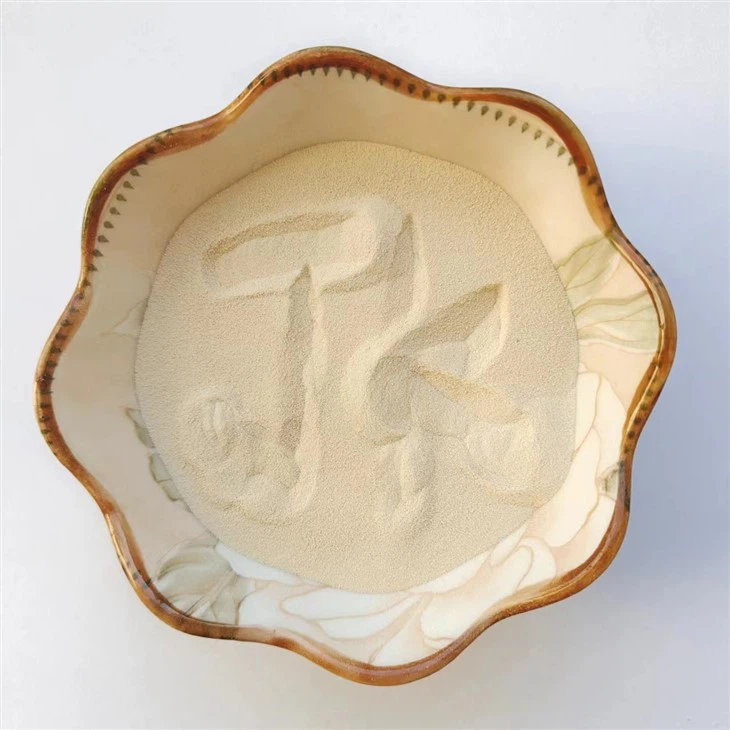
These chemicals improve quality by enhancing the softness, durability, and overall look of leather products.
They contribute to uniform dyeing, preventing inconsistencies in color and appearance.
They accelerate and optimize the tanning process, reducing production time and resource consumption.
They impart anti-microbial properties to leather, preventing the growth of harmful microorganisms.
Eco-friendly leather chemicals support sustainable and environmentally responsible leather production.
Efficient chemical processes contribute to reduced water and energy consumption, minimizing the environmental footprint of leather production.
Chemical treatments provide leather with stain-resistant properties, making it easier to clean and maintain.
A wide range of chemicals allows for the customization of leather characteristics, catering to diverse preferences in the market.
Tanning Process Of Leather Chemicals
Soaking
Soaking is done to remove any excess salt or dirt. All non-leather making components should be removed from the hide to prepare for the production a clean and flat pelts.
Liming
The goal of liming is to split the fibre bundles and to remove any unwanted hair from the hide through the introduction of alkali. Hair saving or semi-hair saving systems yield particularly good results.
De-liming
The pelt requires an efficient and complete removal of lime and the neutralization of residual alkalinity, after fleshing and/or splitting. This is done most effectively using proprietary organic acids and acid-salts which form highly soluble lime complexes.
Bating
The network of elastin fibers, which are insoluble in the highly alkaline conditions of liming, should now be evenly relaxed and flattened through the extended action of suitable enzyme preparations.
Pickling
Acids are added to slacken the pelt and enhance penetration of the tanning agent.
Tanning
By using a tanning agent the collagen structure of a pelt is being altered and converted into a leather intermediate. It is now a durable material and protected against chemicals, moisture and microorganisms.
Functions Of Leather Chemicals
Sodium sulfide: It breaks down the proteins that hold the hair and flesh to the hides, making them easier to remove.
Lime: It removes unwanted materials from the hides and softens them for further processing.
Chrome: It stabilizes the proteins in the hides, preventing them from decomposing and ensuring durability.
Vegetable tannins: They provide a natural and organic tan to the leather, which is preferred by some consumers.
Dyes: They add color to the leather, making it more appealing to consumers.
Fatliquors: They add softness and flexibility to the leather, making it more comfortable to wear.
Coatings: They protect the leather from water, dirt, and other environmental factors, ensuring its durability.
Application of Leather Chemicals
Municipal Water Treatment: Applied in municipal water treatment plants for the purification of drinking water, ensuring it meets regulatory standards for safety and quality.
Paper and Pulp Industry: Employed as a key component in the clarification and purification of water used in paper and pulp manufacturing processes.
Textile Industry: Utilized for the treatment of wastewater generated in the textile industry, aiding in the removal of dyes and contaminants.
Water Treatment: Applied in water treatment processes for the removal of sulfate ions, contributing to the purification of water in industrial and municipal settings.
Laboratory Reagent: Used as a laboratory reagent for analytical and research purposes, demonstrating its versatility in scientific applications.
Pyrotechnics: Employed in the pyrotechnics industry for the creation of green flame effects in fireworks and other pyrotechnic displays.
FAQ
We're well-known as one of the leading leather chemicals manufacturers and suppliers in China. If you're going to buy high quality leather chemicals, welcome to get quotation and free sample from our factory.
leather stretching chemicals, leather printing chemicals, cas no 36290 04 7