

How does dispersing agent mf improve the color fastness of textiles?
As a supplier of Dispersing Agent MF, I've had the privilege of witnessing firsthand how this remarkable product can significantly enhance the color fastness of textiles. In the textile industry, color fastness is a critical factor that determines the quality and durability of dyed or printed fabrics. A high level of color fastness ensures that the colors of textiles remain vibrant and resistant to fading, bleeding, or transfer during various processes such as washing, rubbing, and exposure to light. In this blog post, we'll explore the mechanisms by which Dispersing Agent MF contributes to improved color fastness in textiles.
Understanding Dispersing Agent MF
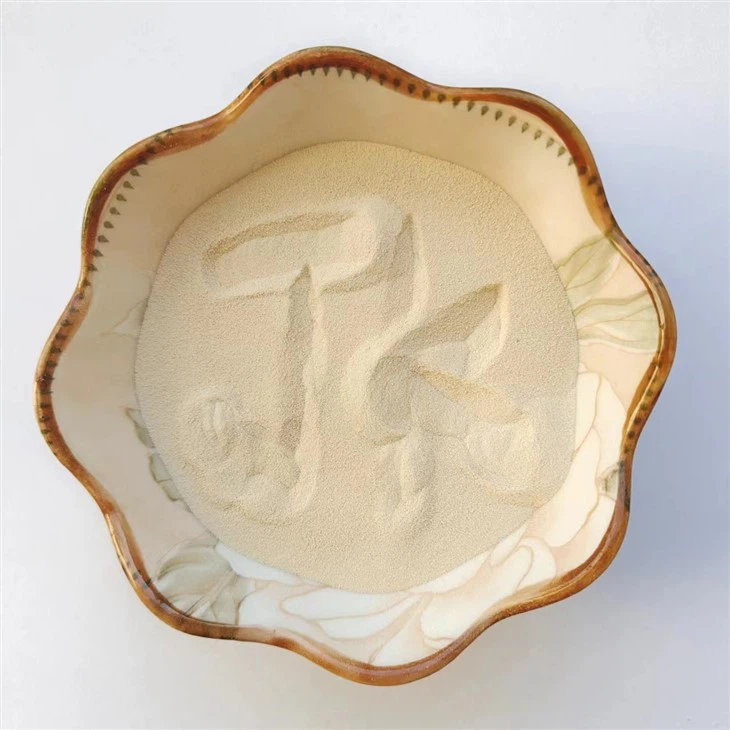
Dispersing Agent MF is a type of anionic surfactant with excellent dispersing properties. It is commonly used in the textile industry to disperse dyes and pigments evenly in the dyeing and printing processes. The main chemical composition of Dispersing Agent MF typically includes naphthalene sulfonate formaldehyde condensates. These condensates form a stable layer around the dye or pigment particles, preventing them from agglomerating and ensuring a uniform distribution in the dye bath or printing paste.
Mechanisms of Improving Color Fastness
1. Enhanced Dye Dispersion
One of the primary ways Dispersing Agent MF improves color fastness is by enhancing the dispersion of dyes in the dyeing process. In a dye bath, dyes are often present as particles that have a tendency to clump together due to various forces such as van der Waals forces and electrostatic interactions. When dyes agglomerate, they may not penetrate the textile fibers evenly, resulting in uneven coloration and poor color fastness.
Dispersing Agent MF adsorbs onto the surface of dye particles, creating a repulsive force between them. This repulsive force prevents the dye particles from coming close enough to agglomerate. As a result, the dyes are more evenly dispersed in the dye bath, allowing them to penetrate the textile fibers more uniformly. A more uniform dye penetration leads to better color fastness because the dyes are more firmly attached to the fibers.
2. Improved Dye-Fiber Interaction
Dispersing Agent MF can also enhance the interaction between dyes and textile fibers. The anionic nature of Dispersing Agent MF allows it to interact with both the dye particles and the textile fibers. It can help to reduce the surface tension between the dye and the fiber, facilitating the diffusion of dyes into the fiber structure.
Once inside the fiber, the dyes can form stronger chemical or physical bonds with the fiber molecules. For example, in some cases, dyes may form covalent bonds with reactive groups on the fiber surface, while in other cases, they may be held in place by hydrogen bonds or van der Waals forces. Dispersing Agent MF promotes these bonding mechanisms by ensuring that the dyes are in close contact with the fiber molecules and are in a well - dispersed state. Stronger dye - fiber bonds result in improved color fastness, as the dyes are less likely to be removed from the fibers during washing or other treatments.
3. Prevention of Dye Migration
During the drying and subsequent processing of dyed textiles, there is a risk of dye migration. Dye migration occurs when dyes move from one part of the fabric to another, which can lead to uneven coloration and reduced color fastness.
Dispersing Agent MF helps to prevent dye migration by forming a protective layer around the dye particles. This layer acts as a barrier, restricting the movement of dyes within the fabric. Additionally, the improved dispersion of dyes in the presence of Dispersing Agent MF means that the dyes are more evenly distributed throughout the fabric, reducing the concentration gradients that drive dye migration.
4. Resistance to Fading from Light and Chemicals
In addition to improving the fastness during washing and rubbing, Dispersing Agent MF can also enhance the resistance of dyed textiles to fading caused by light and chemicals. The stable dispersion of dyes achieved with Dispersing Agent MF can protect the dyes from degradation by light and chemical agents.
Some dyes are sensitive to ultraviolet (UV) light, which can cause them to undergo photochemical reactions and fade over time. The uniform distribution of dyes in the textile fibers with the help of Dispersing Agent MF can reduce the exposure of individual dye molecules to UV light, thus minimizing the extent of photodegradation. Similarly, in the presence of chemicals such as detergents or bleaching agents, the well - dispersed dyes are less likely to be attacked and removed from the fibers.
Real - World Applications and Benefits
In the textile industry, the use of Dispersing Agent MF has been widespread across various types of fabrics and dyeing processes. For example, in the dyeing of polyester fabrics, which are commonly used in sportswear and outdoor clothing, Dispersing Agent MF helps to achieve bright and long - lasting colors. Polyester fibers have a relatively compact structure, and it can be challenging to ensure uniform dyeing. Dispersing Agent MF overcomes this challenge by dispersing the disperse dyes evenly in the high - temperature dyeing process, resulting in excellent color fastness to washing, rubbing, and light.
In the printing of textiles, Dispersing Agent MF is also crucial. It ensures that the pigments or dyes in the printing paste are well - dispersed, allowing for sharp and clear prints. The improved color fastness of printed textiles means that the prints will not fade or bleed easily, maintaining the aesthetic appeal of the fabric over time.
Related Products
If you are interested in other dispersing agents, we also offer Dispersing Agent NNO CAS 9084 - 06 - 4, Dispersant NNO CAS NO 9084 - 06 - 4 and Sodium Naphthalene Sulfonate Formaldehyde Dispersant CAS NO.:9084 - 06 - 4. These products also have excellent dispersing properties and can be used in a variety of applications in the textile and other industries.
Conclusion and Call to Action
Dispersing Agent MF plays a vital role in improving the color fastness of textiles. Through enhanced dye dispersion, improved dye - fiber interaction, prevention of dye migration, and increased resistance to fading from light and chemicals, it helps textile manufacturers to produce high - quality, long - lasting dyed and printed fabrics.

If you are in the textile industry and are looking for a reliable solution to improve the color fastness of your products, we invite you to contact us for more information about our Dispersing Agent MF. Our team of experts is ready to provide you with technical support and assistance in choosing the right product for your specific needs. Let's work together to create textiles with exceptional color quality and durability.
References
- "Textile Dyeing and Finishing" by Thomas Bechtold et al.
- "Dispersing Agents in Textile Processing" - A research paper published in the Journal of Textile Science and Engineering.