

In the realm of industrial materials and construction, suspension stabilizers play a crucial role in ensuring the quality and performance of various products. As a dedicated suspension stabilizer supplier, I often encounter inquiries regarding the maintenance requirements of these essential components. In this blog, we'll delve into the topic to explore whether there are any maintenance requirements for suspension stabilizers and how to ensure their optimal functionality.
Understanding Suspension Stabilizers
Before we discuss maintenance, it's essential to understand what suspension stabilizers are and their significance. Suspension stabilizers are additives used in a wide range of industries, including construction, paint, and food. They are designed to prevent the settling or separation of particles in a liquid medium, maintaining the homogeneity and stability of the suspension. For example, in the construction industry, suspension stabilizers are used in mortars and grouts to ensure uniform distribution of aggregates and prevent sedimentation.
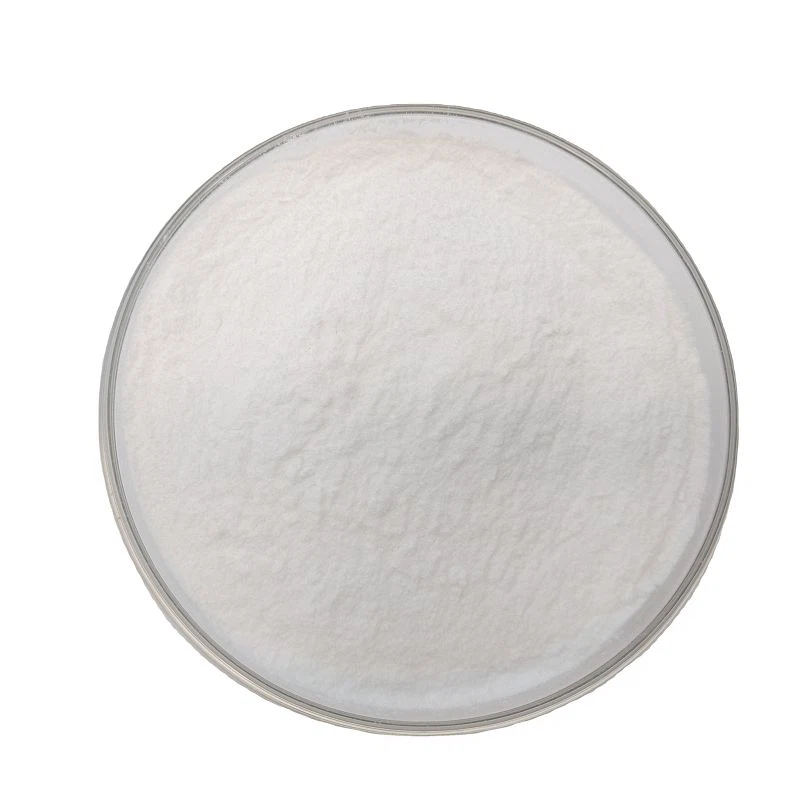
The Suspension stabilizer we supply is formulated with high - quality ingredients to provide excellent stability and performance. It is compatible with various types of binders and can enhance the workability and durability of the final product.
Do Suspension Stabilizers Require Maintenance?
In general, suspension stabilizers themselves do not require traditional maintenance in the way that mechanical equipment does. Once they are added to the system, their function is to interact with the other components in the suspension to maintain stability. However, there are several factors related to the storage, handling, and application of suspension stabilizers that need to be considered to ensure their long - term effectiveness.
Storage Conditions
Proper storage is crucial for maintaining the quality of suspension stabilizers. They should be stored in a cool, dry place away from direct sunlight and extreme temperatures. High temperatures can cause the chemical structure of the stabilizer to degrade, reducing its effectiveness. Moisture can also lead to clumping or chemical reactions that affect the performance of the stabilizer.
For instance, if a suspension stabilizer is stored in a warehouse with high humidity, it may absorb moisture and form lumps. These lumps can be difficult to disperse in the suspension, resulting in uneven distribution and reduced stability. Therefore, storing the product in sealed containers and in a controlled environment is highly recommended.
Handling Precautions
During handling, it's important to avoid contamination of the suspension stabilizer. The product should be kept clean and free from foreign particles, as these can interfere with its performance. When transferring the stabilizer from one container to another, use clean and appropriate equipment.
Some suspension stabilizers may be sensitive to shear forces. Excessive agitation or high - speed mixing during handling can break down the structure of the stabilizer, reducing its ability to maintain suspension stability. Therefore, it's necessary to follow the recommended handling procedures provided by the supplier.

Application Considerations
The performance of a suspension stabilizer can be affected by the application conditions. Factors such as the pH value, temperature, and the presence of other additives in the suspension can influence the effectiveness of the stabilizer. For example, some suspension stabilizers may work better in a specific pH range. If the pH of the suspension is outside this range, the stabilizer may not perform optimally.
It's also important to use the correct dosage of the suspension stabilizer. Too little stabilizer may not provide sufficient stability, while too much can lead to other issues such as increased viscosity or reduced product strength. Therefore, it's advisable to conduct small - scale tests before full - scale production to determine the optimal dosage.
Complementary Additives and Their Impact
In many cases, suspension stabilizers are used in conjunction with other additives to achieve the desired properties of the suspension. For example, Thixotropic Agent can be used together with suspension stabilizers to improve the workability and sag resistance of the product. Thixotropic agents provide the suspension with a reversible change in viscosity under shear stress, which is beneficial for applications where the product needs to be easily applied and then maintain its shape.
Another important additive is the Gypsum Defoamer Powder. In suspensions containing gypsum, foam can form during mixing, which can affect the density and strength of the final product. Gypsum defoamer powder helps to eliminate the foam, ensuring a more uniform and high - quality suspension.
When using these complementary additives, it's necessary to consider their compatibility with the suspension stabilizer. Incompatible additives can cause chemical reactions or physical interactions that may reduce the effectiveness of the stabilizer or other additives. Therefore, it's recommended to consult with the supplier to ensure the proper combination of additives.
Ensuring Long - Term Performance
To ensure the long - term performance of suspension stabilizers in your application, regular monitoring of the suspension properties is essential. This can include measuring the viscosity, sedimentation rate, and particle size distribution of the suspension at regular intervals. Any significant changes in these properties may indicate that the suspension stabilizer is not working effectively.
If any issues are detected, it's important to take prompt action. This may involve adjusting the dosage of the stabilizer, changing the application conditions, or checking for contamination. In some cases, it may be necessary to replace the stabilizer with a new batch or a different type of stabilizer to achieve the desired stability.
Conclusion and Call to Action
In conclusion, while suspension stabilizers do not require traditional maintenance like mechanical equipment, proper storage, handling, and application are crucial for ensuring their long - term effectiveness. By understanding the factors that can affect the performance of suspension stabilizers and taking appropriate measures, you can achieve optimal results in your products.
As a suspension stabilizer supplier, we are committed to providing high - quality products and professional technical support. If you have any questions about suspension stabilizers or their application, or if you are interested in purchasing our products, please don't hesitate to contact us for a detailed discussion. We are here to help you select the most suitable suspension stabilizer for your specific needs and provide guidance on its proper use.
References
- Some textbooks on industrial additives.
- Research papers on the stability of suspensions.
- Manufacturer's product guides and technical data sheets.