

Why Choose Us
Production Ability
The company has three own cooperative factories, total 20 production lines. To supply stable and excellent products to customers.
Customized Service
"Customized production" consept is initially posted and implemented, which is to satisfy customer's needs more well from different industries.
Technology Innovation
JIANKAI Chemical constantly develops more and more new additives through the positive cooperation with famous laboratories and other enterprises.
Excellent Technology
Always adhere to adopting our own proprietary technology in core technology.
After-sale Service
We have a complete after-sales service system, so you can purchase with confidence.
Quality Control
From raw materials incoming, products manufacturing till finished products inspection and output, strict control measures is taken in every segments.
Thixotropic agent is an additive that can change the rheology of the material, so that the material shows a higher viscosity when it is at rest, and the viscosity decreases when it is subjected to external force, so that it is easy to be handled and constructed. Thixotropic agents are widely used in various fields, such as thermal paper, photographic film, thermal ink, etc., through physical or chemical changes under external stimuli, making people's life become more convenient and colorful. Specifically, the mechanism of thixotropic agent is in the stationary state, the material shows high viscosity, which contributes to the stability of the material and control of the use; and in the agitation, When subjected to external forces such as stirring, vibration, etc., the viscosity of the material decreases, making the material easier to flow and work with. This characteristic makes thixotropic agents important in a wide range of products such as coatings, inks, fluxes, etc., to improve coating properties, stability and workability.
Related Product

Polycarboxylic Acid Superplasticizer PCE Liquid
Polycarboxylic Acid Superplasticizer PCE is a high-performance concrete water reducing agent mainly composed of polyethers and polyesters. The use of this product can significantly reduce the water cement ratio and improve the working performance of concrete. It has the characteristics of low dosage, high water reduction rate, good adaptability to cement, and green environmental protection. It is suitable for high-strength concrete, high-performance concrete, underwater pouring concrete, self compacting concrete, flow concrete, large admixture concrete, and various grouting self leveling mortar materials.

SNF High Range Water Reducing Concrete Admixture
Naphthalene-based High Range Water Reducing Concrete Admixture is a powder admixture based on naphthalene powder associated with chemical synthesis products. It can improve the early and final strengths of concrete by giving rheoplastic property. It is specifically formulated to meet the needs of the concrete industry. It can greatly improve the workability of concrete, thereby reducing the water consumption for mixing, and can significantly increase the strength of concrete.
Sodium Polynaphthalene Sulfonate
Sodium Polynaphthalene Sulfonate(PNS) is a sodium salt of the product obtained by the condensation polymerization of naphthalene sulfonic acid and formaldehyde. It is non-air entraining superplasticizer. It has good dispersing performance on the cement particles. Compared with traditional plasticizer, it has higher water reducing rate, good performance for high flowing concrete, case-in-place concrete which require for early and high strength, precast concrete and parts etc. It also has good adaptability to common cement, widely use in roads, bridges, dams, power engineering, civil construction and others.

Polycarboxylate Superplasticizer Liquid For Slump Retention Type
JK-PL-SR Polycarboxylate Superplasticizer Liquid for Slump Retention Type is polycarboxylate ether based high performance copolymer designed for highest concrete quality. It enables concrete to be produced highly workable at low dosage with improved slump retention. It has very good slump retention and adaptability to different cement and materials, especially for summer high temperature construction conditions and long-distance concrete transport project.
JK-PL-SR is a neutral concentrate grade, it is mainly used as a raw material together with JK-PL-WR to produce different types of high performance water reducers for targeted industrial. It complies with ASTM C 494, Type F specifications.

Polycarboxylate Ester Superplasticizer Powder
JK-PPZ Polycarboxylate Ester Superplasticizer Powder is polycarboxylate ester based high performance copolymer powder designed for highest concrete quality. It is a powder form Supperplasticizer for cement, mortar and concrete products no matter the products are made from Portland Cement (or other siliceous cement such as slag cement, fly ash cement, etc. or high alumina cement. It is widely used in various grouts, self-leveling screeds, floor screeds, high performance concrete, ultra-high-performance concrete, pumpable concrete, etc.
JK-PPZ Polycarboxylate Ester Superplasticizer Powder is a neutral concentrate grade, it is mainly used as a mother material together with other functional admixtures to produce different types of high performance water reducers for targeted industrial. It complies with ASTM C 494, Type F specifications.
Naphthalene-Based Superplasticizer
Naphthalene-based Superplasticizer has a high water-reducing rate, good fluidity, slight slump loss over time, and no segregation or bleeding. Meanwhile, it can significantly improve the fluidity and strength of concrete at all ages, especially the later potency, which has a significant enhancement effect. It is the first choice for admixture for high-strength concrete, commercial concrete, earthquake-proof concrete, self-leveling grouting materials, and other products.
Naphthalene-based Superplasticizer is mainly used for formulating concrete super plasticizer, high-strength concrete, steel concrete, prestressed concrete, large formwork concrete, slip forming concrete etc, as a water reducing agent. Compatible with all types of Portland Cement.

Sulfonated Naphthalene Formaldehyde
Sulfonated Naphthalene Formaldehyde(SNF) is a condensed polymer product. It is mainly used as powerful water reducing agent in concrete and also known as superplasticizer. It produces concrete with exceptionally workable characteristic referred to as high slump. It helps to keep the minimum water to cement ratio without compromising the degree of workability. It is also a very good dispersing agent.
Sulfonated Naphthalene Formaldehyde(SNF) is a high range water reducer, commonly referred to as a superplasticizer, also named Naphthalene Sulfonate Formaldehyde Condensate, NSF, SNF, PNS, FDN, etc.
Sulfonated Naphthalene Formaldehyde(SNF) is made of naphthalene, sulfonic acid, formaldehyde and alkali, through sulphuration, hydrolyzation, condensation and neutralization reaction. It contains no chloride. Thus, it meets the requirements of chemical admixture specifications for concrete: ASTM C 494, Type F; ASTM C 1017, GB8076-1997 and GB50119-2003.

Naphthalene-Based High Range Water Reducing Concrete Admixture
Naphthalene-based High Range Water Reducing Concrete Admixture is a powder admixture based on naphthalene powder associated with chemical synthesis products. It can improve the early and final strengths of concrete by giving rheoplastic property. It is specifically formulated to meet the needs of the concrete industry. It can greatly improve the workability of concrete, thereby reducing the water consumption for mixing, and can significantly increase the strength of concrete.
Naphthalene-based High Range Water Reducing Concrete Admixture has a high water-reducing rate, good fluidity, slight slump loss over time, and no segregation or bleeding. Meanwhile, it can significantly improve the fluidity and strength of concrete at all ages, especially the later potency, which has a significant enhancement effect.

Polycarboxylate-Based Superplasticizer Powder
Polycarboxylate-based Superplasticizer Powder is a powdered polycarboxylic acid water reducing agent manufacturered by optimizing molecular group configuration and synthesis process.
Polycarboxylate-based Superplasticizer Powder has a variety of advantages, including fast plasticization speed, excellent plasticizing effect, easy-defoaming, and good strengthening performance. The application of it in building materials offers high water reduction rate, and can significantly improve the fluidity of the product and endow with excellent workability and mechanical strength. It is also highly compatible with cement/gypsum-based cementitious materials and many other additives, such as defoamer, retarder, expansive agent, and hardening agent.
What Are the Advantages of Thixotropic Agents?
Improve the rheological properties of the material
Thixotropic agents can significantly improve the rheological properties of the material, so that the material can become more fluid when subjected to external forces (such as mixing or painting), easy to construct; And when the external force stops working, the material can quickly restore its original consistency and stability, to maintain the homogeneity and consistency of the material.
Improve the stability and uniformity of the material
Thixotropic agent can enhance the suspension (anti-settling) ability of the material to prevent particles from settling, so as to maintain the uniformity and stability of the material. This is especially important for many materials that need to be stored and used for long periods of time, as it ensures that the material's performance remains consistent before and after use.
Enhance the construction and use of materials
Thixotropic agents are used in a wide range of applications including, but not limited to, coatings, adhesives, putties, gels, and more. Adding thixotropic agents to these materials can improve their construction performance, such as preventing flow, improve brushability, etc., but also can improve the use of the material performance, such as Preventing water secretion, improving homogeneity, etc.
Type of Thixotropic Agent: Organic vs. Inorganic: Thixotropic agents can be organic (e.g., organic clays, cellulose derivatives) or inorganic (e.g., fumed silica, precipitated silica). Choose based on compatibility with your formulation and desired properties.
Compatibility: Ensure the thixotropic agent is compatible with the other components in your formulation, including resins, solvents, and additives.
Application Type: Consider the specific application of your product. Thixotropic agents are used in various industries such as coatings, adhesives, sealants, and inks. The application requirements may differ, and certain thixotropic agents may be better suited for specific applications.
Performance Requirements: Identify the desired rheological properties, such as viscosity, thixotropy, and shear thinning behavior, required for your application.
Particle Size and Surface Area: For inorganic thixotropic agents like silica, particle size and surface area can influence the effectiveness of the agent. Finer particles generally provide better thixotropic properties.
Dosage Levels: Understand the recommended dosage levels for the thixotropic agent. Overdosing may lead to undesired effects, while underdosing may not provide the necessary rheological control.
Chemical Stability: Ensure the thixotropic agent is chemically stable under the conditions it will be exposed to during storage and application.
Temperature Sensitivity: Consider the temperature range of your application, as some thixotropic agents may lose effectiveness at extreme temperatures.
Ease of Dispersion: Evaluate how easily the thixotropic agent can be dispersed in your formulation. Poor dispersion can lead to uneven performance.
Regulatory Compliance: Ensure that the chosen thixotropic agent complies with relevant regulatory standards and guidelines for your industry.
Cost: Consider the cost-effectiveness of the thixotropic agent, taking into account its performance in relation to the overall formulation.
Supplier Reputation: Choose a reputable supplier with a history of providing high-quality thixotropic agents. Look for suppliers with good quality control processes.
Application Fields of Thixotropic Agent
Coatings field
The application of thixotropic agents in coatings is mainly to improve the emulsion properties of coatings. Especially at low temperatures, thixotropic agents are able to significantly improve the flow properties of coatings, and increase the coverage and consistency of coatings. This is due to the ability of thixotropic agents to increase the viscosity of coatings at rest to prevent sagging and settling, and to reduce the viscosity and improve the fluidity during construction, which facilitates the application operation.
Ink field
Thixotropic agents can be applied to a variety of inks with different properties to improve the condition of different types of inks. Under high temperature, the viscosity of ink will be reduced, and the addition of thixotropic agent can improve the fluidity performance of ink and maintain the stability and use performance of ink.
Adhesive field
Thixotropic agents can improve the viscosity and flow properties of adhesives, and enhance the use efficiency and adhesive strength of adhesives. When stirring and coating, the adhesive becomes thinner and easier for bonding operation; when resting, the adhesive becomes thicker and prevents flowing.
Role of Thixotropic Agent
Water retention and thickening effect: In construction materials such as gypsum mortar, thixotropic agent can help to form a flexible gel, thus enhancing the water retention and thickening effect of the material.
Improvement of construction performance: Adding thixotropic agent to the paint can make the paint have lower viscosity during brushing, which is easy to construct, and prevent the pigment from settling when the paint is still.
Improve storage stability: Thixotropic agent can make the viscosity of paint or adhesive become smaller when it is sheared, easy to mix or spread, and the viscosity increases after stopping shearing, preventing the phenomenon of flowing or hanging, so as to improve the storage stability of the product.
Anti-sinking and anti-sagging performance: Thixotropic agent can replace starch ether, reduce the dosage of cellulose ether in mortar system, and at the same time, provide excellent anti-sinking and anti-sagging performance, which is suitable for waterborne coatings, inks and other systems.
Improve the suspension stability of pigment filler: Thixotropic agent can prevent particle deposition and improve the suspension stability of pigment filler, applicable to the construction of porous substrate.
Types of Thixotropic Agents
Fumed silica
A commonly used thixotropic agent, through the formation of hydrogen bonds to play a role in the mechanical force to form and restore the three-dimensional mesh structure, thereby affecting the consistency of the substance.
Organobentonite
Another important thixotropic agent which, in a similar way, decreases in viscosity when subjected to shear and increases in viscosity when the shear is removed.

Hydrogenated castor oil
A thixotropic agent of natural origin with good thixotropic properties.
Polyamide wax
This type of thixotropic agent is widely used for its small additions and significant effect on thixotropy.
Principle of Thixotropic Agent
The principle of thixotropic agent mainly includes destroying the interaction force between the molecules of polyethylene wax, reducing the friction force between the molecules of polyethylene wax, as well as forming silicate gel, increasing the viscosity of the fluid in the oil well, and altering the interfacial tension between oil and water.
The action mechanism of thixotropic agents can be explained in the following aspects.
The thixotropic agent of polyethylene wax changes the flow properties of polyethylene wax by destroying the interaction force between the molecules of polyethylene wax and reducing the friction between the molecules, so that it can be transformed from a solid state to a flow state within a certain temperature range. This action is achieved by the competition of interaction forces between the thixotropic agent and the polyethylene wax molecules, destroying the original interaction forces and forming a lubricating film between the polyethylene wax molecules, reducing friction and promoting the fluidity.
The action principle of oily silicate thixotropic agent includes silicate gel formed by hydration reaction of silicate, which can be adsorbed on the surface of rock pores to form a thin film, sealing the pores and improving the effect of oil well water plugging. In addition, the oily silicate thixotropic agent also has good high temperature stability, can maintain the viscosity for a long time, increasing the durability of the plugging effect. At the same time, by adding surfactants to change the tension of the oil-water interface, it promotes the mixing of oil and water, forming a network structure and increasing the liquid viscosity.
The activation process and thixotropic principle of organic waxes involves the increase in system temperature of the wax powder under shear force, which leads to the softening and expansion of the wax particles. During the activation process, the wax fibers form a three-dimensional network structure through hydrogen bonding, which imparts thixotropic properties to the material. Under high shear, this mesh structure is disrupted and the flowability is enhanced without affecting the leveling properties. Upon removal of the shear force, the wax fiber structure is re-bridged and again forms a three-dimensional mesh structure.
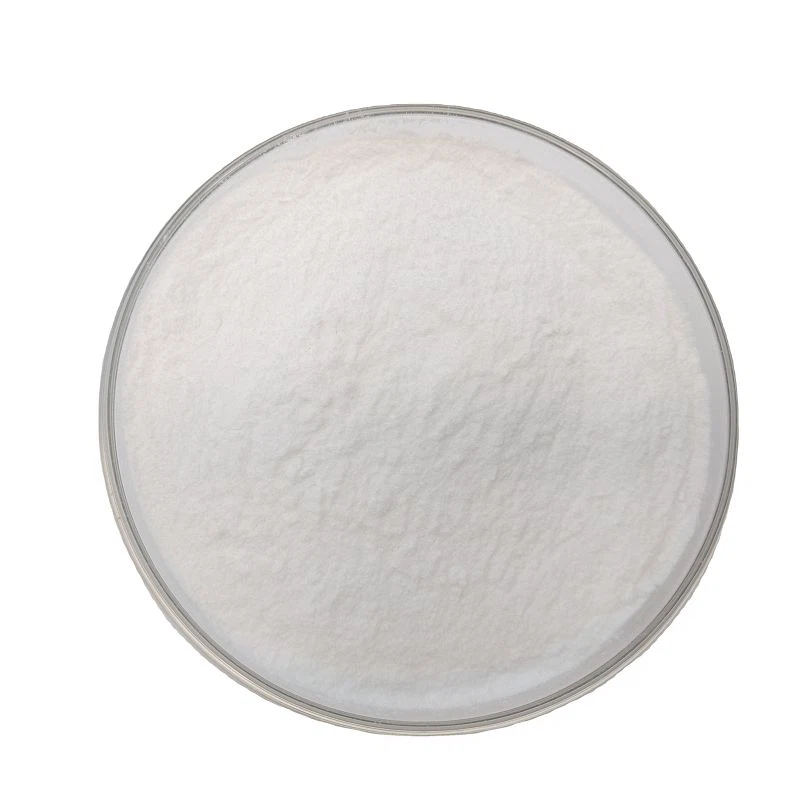
The main components of thixotropic agents include fumed silica, organobentonite and polyamide wax. These components play a role in thixotropic agents by increasing the viscosity of the liquid and giving it thixotropic properties, Specifically:
Fumed silica and organobentonite are common inorganic and organic thixotropic ingredients that form a network structure in a liquid, thereby increasing its viscosity and stability.
Polyamide wax is also an important thixotropic agent component, which is known for its small additive quantity and obvious effect, and is widely used in coatings, printing ink and other industries.
What Is the Role of Thixotropic Agents in Mortar?
• Improves the stability and anti-sagging properties of the mortar, which helps to prevent the mortar from sagging or caking during construction, especially when working on vertical surfaces.
• Improves the lubricity of the mortar and reduces the resistance to flow, which makes the mortar easier to pump and mix, thus improving construction efficiency.
• Extends the open time of the mortar, which means that the mortar has a longer time to make adjustments and finishing touches after construction without drying or curing quickly.
• Enhances the water retention properties of the mortar, which helps to maintain the uniformity and consistency of the mortar and prevents it from drying out too quickly.
• Improves the surface smoothness of the mortar, reducing sticking problems and making the surface smoother and easier to handle.
Our Factory
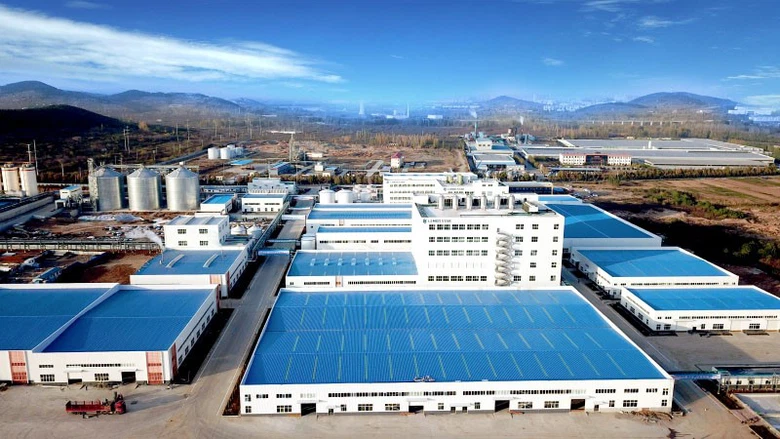
Shanxi Jiankai Fine Chemicals Co., Ltd is one professional supplier of chemical additives in China, it is located in the first place called China-Yuncheng, it is also the hometown of Guan Yu. We are dedicated to the research, production and marketing for various chemical auxiliaries, including Leather & Textile Auxiliaries, Concrete & Mortar Admixtures, Food Additives, Water Treatment Chemicals, etc., and promotes the local characteristics products of Yuncheng to the world.
The company has five own production base, to supply stable and excellent products to customers. From raw materials incoming, products manufacturing till finished products inspection and output, strict control measures are taken in every segments. All of our products comply with international quality standards, the company has won good reputation and high praise in quality from domestic and oversea customers.
Besides from focusing on quality, we also pay attention to technology innovation. In recent years JIANKAI Chemicals constantly develops more and more new additives through the positive cooperation with famous laboratories and other enterprises. Jiankai Chemicals mainly supply Dispersing Agent NNO, Dispersing Agent MF, Penetrant BX, Citric Acid Monohydrate, Citric Acid Anhydrous, Sodium Naphthalene Sulfonate Formaldehyde, Naphthalene Superplasticizer, Polycarboxylate Superplasticizer Liquid & Powder, Melamine Sulfonate Formaldehyde, Retarders, Defoamers, Poly Aluminium Chloride, etc.
In the meantime, "customized production" concept is initially posted and implemented, which is to satisfy customer′s needs more well from different industries.
The company also have regular training to internal staffs, provide practical solutions according to customer′s concerns about products usages, after-sales services, etc, through which is recognized by customers from home and abroad.Specialty, efficiency and honesty are our philosophy, Jiankai is willing to work together with you to make greater achievements! We sincerely expect pleasant cooperation with you hand in hand for mutual growth!


FAQ
Hot Tags: thixotropic agent, China thixotropic agent manufacturers, suppliers, factory, mortar salt resistant additive, mortar cost effective additive, mortar accelerator content mortar additive, mortar texturing additive, mortar absorptivity mortar additive, mortar enhancer