

Why Choose Us
Production Ability
The company has three own cooperative factories, total 20 production lines. To supply stable and excellent products to customers.
Customized Service
"Customized production" consept is initially posted and implemented, which is to satisfy customer's needs more well from different industries.
Technology Innovation
JIANKAI Chemical constantly develops more and more new additives through the positive cooperation with famous laboratories and other enterprises.
Excellent Technology
Always adhere to adopting our own proprietary technology in core technology.
After-sale Service
We have a complete after-sales service system, so you can purchase with confidence.
Quality Control
From raw materials incoming, products manufacturing till finished products inspection and output, strict control measures is taken in every segments.
Sodium dodecyl benzene sulfonate is produced by sulfonating dodecylbenzene with fuming sulfuric acid or sulfur trioxide and then neutralizing with alkali. The disadvantage of sulfonation with fuming sulfuric acid is that there is always some waste acid in the sulfonated material after the reaction. The sodium sulfate generated after neutralization is carried into the product, which affects its purity. At present, the industry adopts the method of sulfonation with sulfur trioxide and air mixture. Sulfur trioxide can be evaporated from 60% fuming sulfuric acid, or sulfur and dry air are burned in a furnace to obtain a gas mixture containing SO34% to 8% volume fraction. This gas mixture is passed into a sulfonation reactor containing alkyl benzene for sulfonation. The sulfonated material enters a neutralization system to be neutralized with sodium hydroxide solution, and finally enters a spray drying system for drying. The product obtained is a powder with good flowability.
Related Product

Methyl Naphthalene Sulfonate Formaldehyde Condensate
Chemical name:Methyl Naphthalene Sulfonate Formaldehyde Condensate(Na2SO4≤5%,8%)
Appearance: Brown Powder
Molecular formula: C23H18O6S2Na2
CAS Number: 9084-06-4
Store the goods in a dedicated warehouse that is well-ventilated and dry and keep away from moisture.
Residual product must be sealed and stored to prevent moisture.
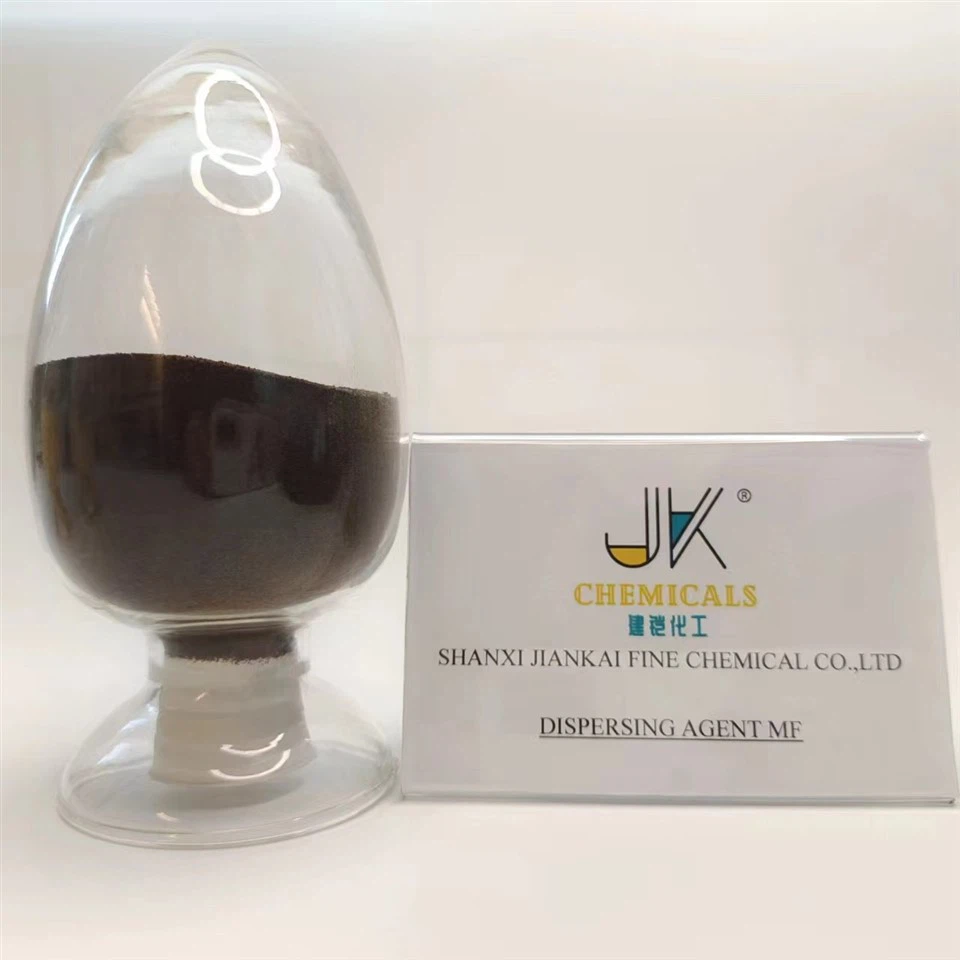
Dispersant MF,with excellent diffusion and thermal stability,non-permeability and non-foaming,it can be used with anionic and non-ionic surfactants.
Store the goods in a dedicated warehouse that is well-ventilated and dry and keep away from moisture.
Residual product must be sealed and stored to prevent moisture.
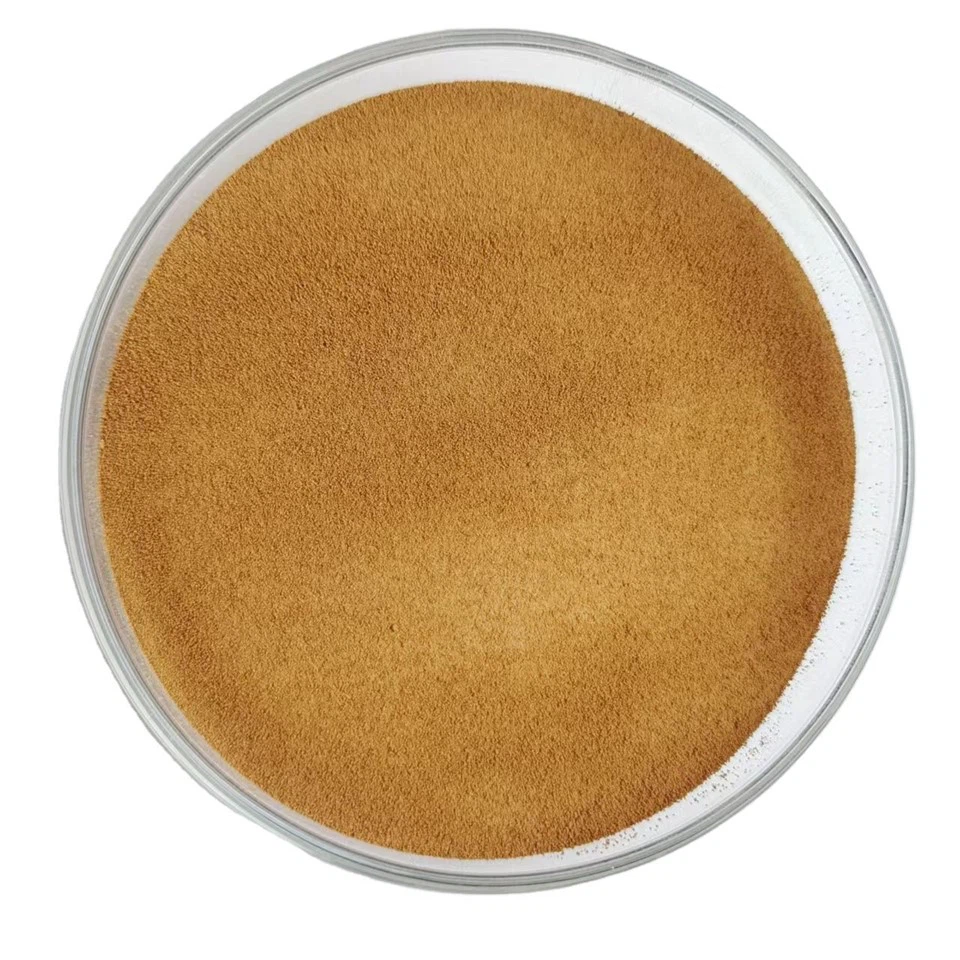
Dispersant NNO is called Sodium Naphthalene Sulphonate Formaldehyde, which is soluble in water, resistant to acid, alkali, salt and hard water, good diffusion performance. Dispersant NNO is a water-soluble high polymer. It is mainly used as dispersant in disperse dyes, reducing dyes, reactive dyes, acid dyes and leather dyes. It has good abradability, solubiliazation and dispersion.
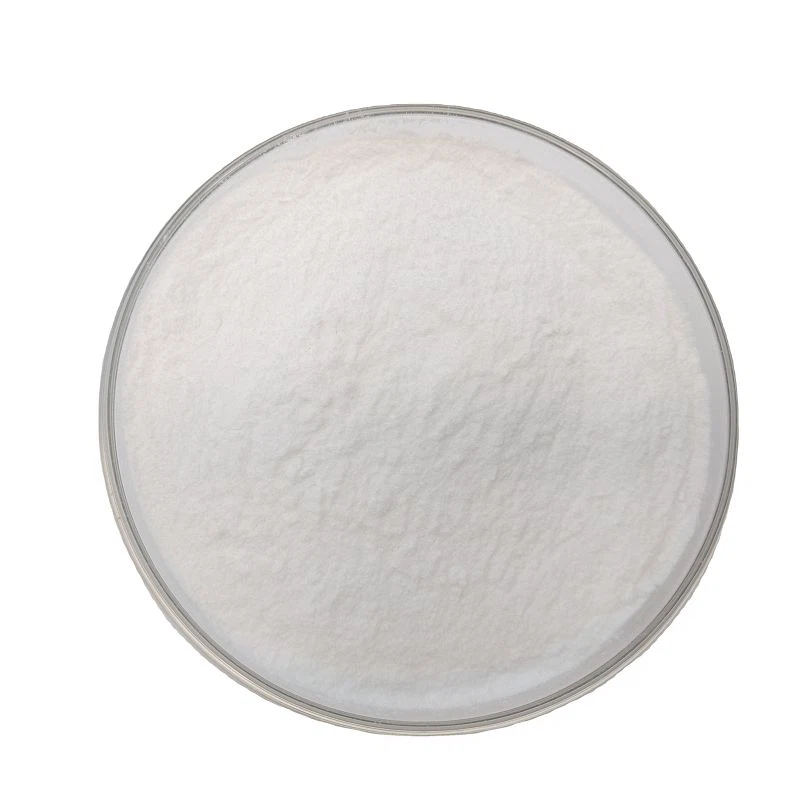
Penetrant BX is a kind of rice-white powder, easily soluble in water, can significantly reduce the surface tension of water, has excellent penetration and wettability, re-wetting is also good, and has emulsification, emulsification, diffusion and foaming properties. Its chemical composition is sodium diisobutyl naphthalene sulfonate, which belongs to the class of anionic surfactants. Penetrant BX is stable under normal temperature and pressure and should be stored in tightly closed containers in a cool, dry, well-ventilated place away from incompatible substances. substances.

Sodium Dodecyl Benzene Sulfonate
Sodium Dodecyl Benzene Sulfonate is a white to light yellow powder particle, nontoxic, odorless and completely soluble in water and is a high efficiency disperser for emulsification with remarkable anti-electrostatic effect.
Advantages of Advantages of Sodium Dodecyl Benzene Sulfonate
Not easy to oxidize
Sodium dodecylbenzenesulfonate can maintain its stability for a long time, not easy to be affected by the external environment, and keep its good performance.
Strong foaming ability
In detergents, hand sanitizers and other cleaning products, Sodium Lauryl Benzene Sulfonate is able to produce rich and long-lasting foam, providing better cleaning effects.
Strong decontamination ability
Sodium dodecylbenzene sulfonate has a very high decontamination power, which can effectively remove all kinds of stains, including oil, grease, dirt, pigments, etc., making the cleaning more thoroughly.
Easy to compound with various additives
Sodium dodecylbenzene sulfonate has good compounding properties and can be compounded with various additives to further improve the performance of cleaning products.
Lower cost
Compared with other surfactants, the cost of sodium dodecyl benzene sulfonate is lower, which can reduce the cost of the products for the manufacturers and improve the competitiveness.
Mature synthesis process
The synthesis process of Advantages of sodium dodecyl benzene sulfonate is very mature, the production process is simple and feasible, and can meet the needs of large-scale production.
Role of Sodium Dodecyl Benzene Sulfonate
In the preparation process, sodium dodecyl benzene sulfonate, as a surfactant, plays the following roles:
Thickening effect
Adding sodium dodecyl benzene sulfonate can increase the viscosity of the system, thus increasing its consistency and making the prepared substance easier to handle and process.
Infiltration
Sodium dodecylbenzene sulfonate can be better infiltrated and dispersed in water, making the preparation process more uniform and stable.
Emulsification
Sodium dodecylbenzenesulfonate can form emulsion to disperse the immiscible substances in water, so as to improve the reaction efficiency and product purity.

Application of Advantages of Sodium Dodecyl Benzene Sulfonate
In addition to the application in the preparation process, Advantages of sodium dodecyl benzene sulfonate has a wide range of applications, mainly including the following aspects:
Daily necessities
Sodium dodecylbenzene sulfonate is a more commonly used surfactant, widely used in detergents, soaps, cleansing agents, foaming agents and other types of daily necessities.
Chemical field
Sodium dodecylbenzene sulfonate is also commonly used in the synthesis of other chemicals, such as dyes, resins, flavors, coatings and so on.
Pharmaceutical field
Sodium dodecylbenzene sulfonate is mainly used in the pharmaceutical field for emulsification, dispersion and stabilization of pharmaceutical agents and solutions.
Metal working
Sodium dodecylbenzene sulfonate is commonly used in the metal working industry for the preparation of metal working fluids, to increase their lubricity and stability, and to improve the processing efficiency.

Physical Properties of Advantages of Sodium Dodecyl Benzene Sulfonate
Molecular formula:C18H29NaO3S
Molecular weight:348.48
Hydrophilic Lipophilic Balance Value(HLB value):10.638
Decomposition temperature is 450℃, weight loss rate up to 60%.
Properties: Solid, white or light yellow powder
Solubility: Soluble in water, easy to absorb moisture agglomeration
Critical micelle concentration(CMC value):1.2mmolL-1
Chemical Properties of Advantages of Sodium Dodecyl Benzene Sulfonate
Sodium dodecylbenzenesulfonate is chemically stable to alkali, dilute acid and hard water.
It can establish equilibrium system with strong acid.
Hydroxyl group in sulfonyl group can be replaced by chlorine atom to produce sulfonyl chloride.
Hydrolysis reaction is the reverse reaction of sulfonation reaction. Under the catalytic of strong acid, sodium dodecyl sulfate can remove sulfonyl group by coheating with water.
Uses of Advantages of Sodium Dodecyl Benzene Sulfonate
Sodium dodecylbenzene sulfonate is an excellent anionic surfactant with remarkable detergency. It has excellent detergency effect on granular dirt, protein dirt and oily dirt, especially on granular dirt on natural fibers. In addition, it has strong foaming power and rich foam, and its washing effect on protein dirt is better than that of nonionic surfactants. However, it should be noted that it is sensitive to the hardness of water, so it needs to be used with an appropriate amount of chelating agent. Meanwhile, due to its strong degreasing power, it may cause some irritation to the skin when hand washing.
Sodium dodecylbenzene sulfonate plays a key role as an efficient emulsifying and dispersing agent in pressure sensitive adhesive polymerization. Its dosage is usually between 1% and 0.1% to ensure the stability and homogeneity of the pressure sensitive adhesive. This dispersant helps to mix the components of the pressure-sensitive adhesive evenly and prevent precipitation and coalescence, thus improving the performance and service life of the product.
Anionic surfactants occupy an important position among many surfactants. Due to the low production cost and superior performance, it is especially widely used in household detergents, becoming the largest amount of synthetic surfactants. In addition, it can be used to produce some inorganic salts such as magnesium and calcium and organic amine salts such as triethanolamine.
Sodium dodecylbenzene sulfonate is an effective antistatic agent, mainly used in plastics and polymer materials such as polyolefin and polyester. In plastics and polymer materials, the phenomenon of static electricity may lead to the adsorption of dust on the surface of the material, affect the processing performance, and may even cause fire in some cases. The addition of Advantages of sodium dodecyl benzene sulfonate can significantly reduce the surface resistance of these materials, thus effectively eliminating static electricity and improving the use of materials and safety.
Sodium dodecylbenzene sulfonate is an excellent degreasing agent for high-grade leather. This property is mainly due to its excellent surface activity, can effectively reduce the surface tension of water, so as to better penetrate and disperse grease. Degreasing is a crucial step in the leather treatment process, which can remove the excess oil on the surface of the leather and provide a good basis for the subsequent dyeing and finishing processes. The use of Advantages of sodium dodecyl benzene sulfonate as a degreasing agent not only removes the grease efficiently, but also ensures that the texture and appearance of the leather is not damaged.
Sodium Dodecyl benzene Sulfonate Preparation Process
Preparation of raw materials: This step involves the selection of suitable raw materials, such as benzene and n-dodecane, which will be used in the subsequent chemical reaction.
Sulfonation reaction: The selected raw materials are added into the reactor according to a certain proportion, appropriate amount of catalyst is added, heated to the reaction temperature and stirred to ensure that the reactants are fully mixed. This step is the key to prepare Advantages of sodium dodecyl benzene sulfonate.
Filtration and washing: After the reaction, the mixture is filtered and the filtrate is obtained by removing suspended and solid particles through a filter. The filtrate may still contain unreactants and organic solvents, which need to be washed, usually by adding appropriate amounts of water and detergent, stirring and heating to remove unreactants and organic solvents, so that the filtrate meets the washing requirements. The filtrate will meet the washing requirements.
Centrifugal separation: The washed filtrate is centrifuged to remove suspended matter. The filtrate is added to a centrifuge and the centrifuge parameters, such as speed and time, are adjusted so that the suspension settles to the bottom of the centrifuge tube and the supernatant is obtained.
Neutralization and crystallization: The supernatant is neutralized and adjusted to the optimal pH. Usually, sodium hydroxide is used for neutralization, and the specific dosage is determined according to the experimental data. After neutralization, the solution is subjected to crystallization, and the Advantages of sodium dodecyl benzene sulfonate in the solution is crystallized to form a crystal solid by controlling the temperature and wind speed.
Wet pulverization with drying and packaging: The crystalline solid is wet pulverized to make its granularity finer, which is conducive to subsequent drying and packaging. The product after wet crushing is dried to remove water and get dry Advantages of sodium dodecyl benzene sulfonate. Then the dried product is packed, stored and sold according to the product specifications and packaging requirements.
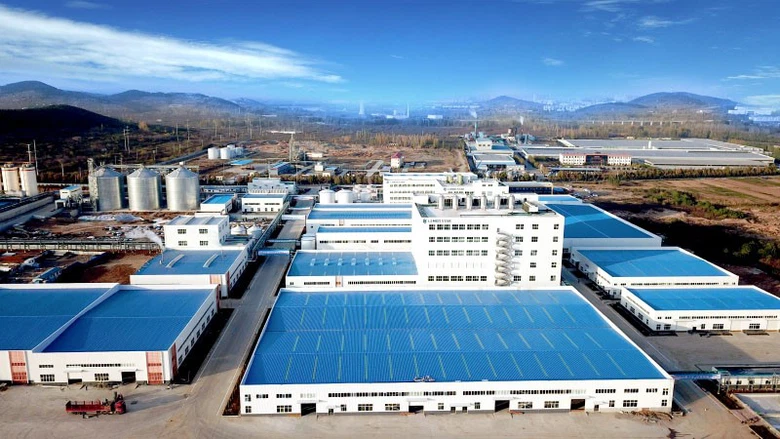
Our Factory
Shanxi Jiankai Fine Chemicals Co., Ltd is one professional supplier of chemical additives in China, it is located in the first place called China-Yuncheng, it is also the hometown of Guan Yu. We are dedicated to the research, production and marketing for various chemical auxiliaries, including Leather & Textile Auxiliaries, Concrete & Mortar Admixtures, Food Additives, Water Treatment Chemicals, etc., and promotes the local characteristics products of Yuncheng to the world.
The company has five own production base, to supply stable and excellent products to customers. From raw materials incoming, products manufacturing till finished products inspection and output, strict control measures are taken in every segments. All of our products comply with international quality standards, the company has won good reputation and high praise in quality from domestic and oversea customers.
Besides from focusing on quality, we also pay attention to technology innovation. In recent years JIANKAI Chemicals constantly develops more and more new additives through the positive cooperation with famous laboratories and other enterprises. Jiankai Chemicals mainly supply Dispersing Agent NNO, Dispersing Agent MF, Penetrant BX, Citric Acid Monohydrate, Citric Acid Anhydrous, Sodium Naphthalene Sulfonate Formaldehyde, Naphthalene Superplasticizer, Polycarboxylate Superplasticizer Liquid & Powder, Melamine Sulfonate Formaldehyde, Retarders, Defoamers, Poly Aluminium Chloride, etc.
In the meantime, "customized production" concept is initially posted and implemented, which is to satisfy customer′s needs more well from different industries.
The company also have regular training to internal staffs, provide practical solutions according to customer′s concerns about products usages, after-sales services, etc, through which is recognized by customers from home and abroad.Specialty, efficiency and honesty are our philosophy, Jiankai is willing to work together with you to make greater achievements! We sincerely expect pleasant cooperation with you hand in hand for mutual growth!


FAQ
Hot Tags: sodium dodecyl benzene sulfonate, China sodium dodecyl benzene sulfonate manufacturers, suppliers, factory, textile preservative exporters, textile bleaching agent suppliers, fabric preservatives, sodium dodecyl benzene sulfonate, fabric fixative exporters, fabric flame retardant chemical suppliers