
Why Choose Us
Production Ability
The company has three own cooperative factories, total 20 production lines. To supply stable and excellent products to customers.
Customized Service
"Customized production" consept is initially posted and implemented, which is to satisfy customer's needs more well from different industries.
Technology Innovation
JIANKAI Chemical constantly develops more and more new additives through the positive cooperation with famous laboratories and other enterprises.
Excellent Technology
Always adhere to adopting our own proprietary technology in core technology.
After-sale Service
We have a complete after-sales service system, so you can purchase with confidence.
Quality Control
From raw materials incoming, products manufacturing till finished products inspection and output, strict control measures is taken in every segments.
What is Penetrant BX
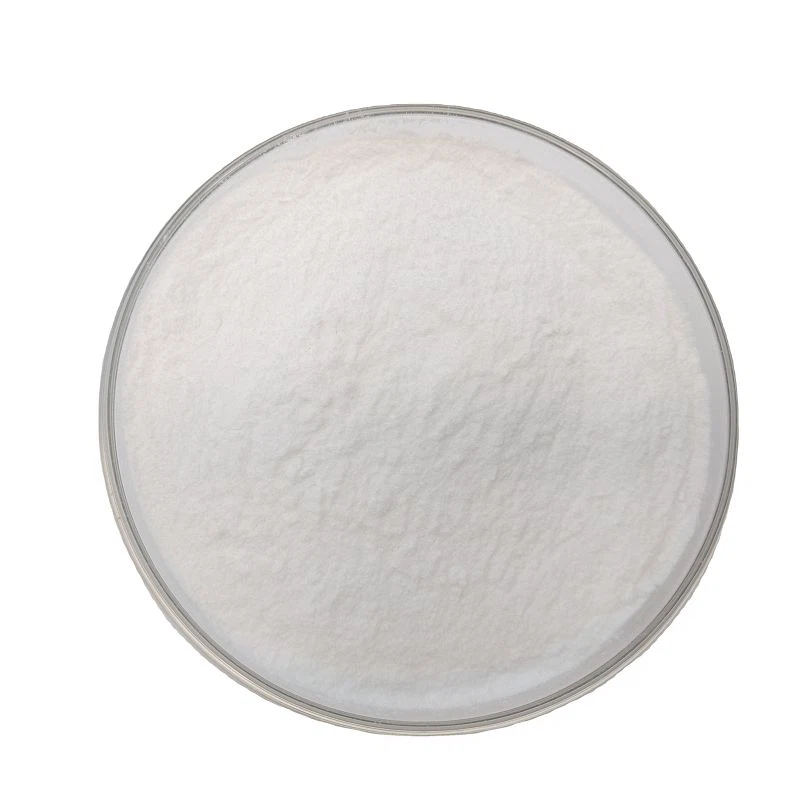
Penetrant BX is a kind of rice-white powder, easily soluble in water, can significantly reduce the surface tension of water, has excellent penetration and wettability, re-wetting is also good, and has emulsification, emulsification, diffusion and foaming properties. Its chemical composition is sodium diisobutyl naphthalene sulfonate, which belongs to the class of anionic surfactants. Penetrant BX is stable under normal temperature and pressure and should be stored in tightly closed containers in a cool, dry, well-ventilated place away from incompatible substances. substances.
Related Product

Methyl Naphthalene Sulfonate Formaldehyde Condensate
Chemical name:Methyl Naphthalene Sulfonate Formaldehyde Condensate(Na2SO4≤5%,8%)
Appearance: Brown Powder
Molecular formula: C23H18O6S2Na2
CAS Number: 9084-06-4
Store the goods in a dedicated warehouse that is well-ventilated and dry and keep away from moisture.
Residual product must be sealed and stored to prevent moisture.
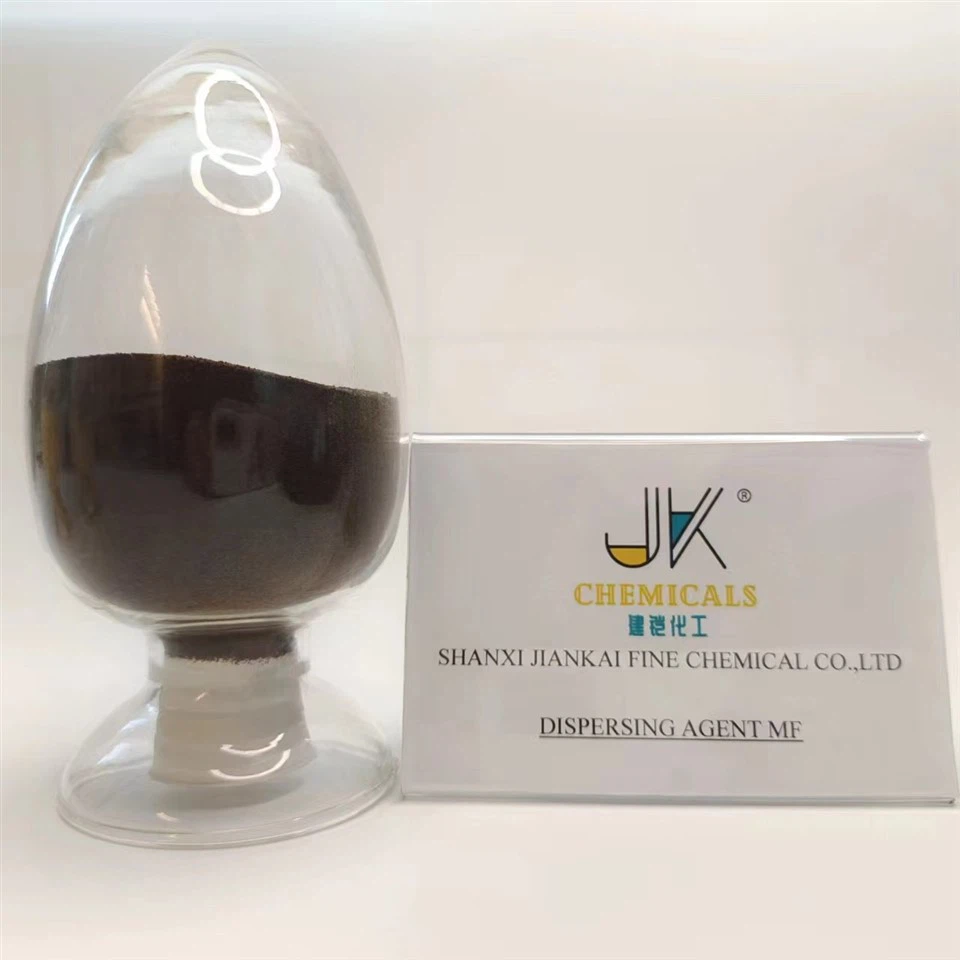
Dispersant MF,with excellent diffusion and thermal stability,non-permeability and non-foaming,it can be used with anionic and non-ionic surfactants.
Store the goods in a dedicated warehouse that is well-ventilated and dry and keep away from moisture.
Residual product must be sealed and stored to prevent moisture.
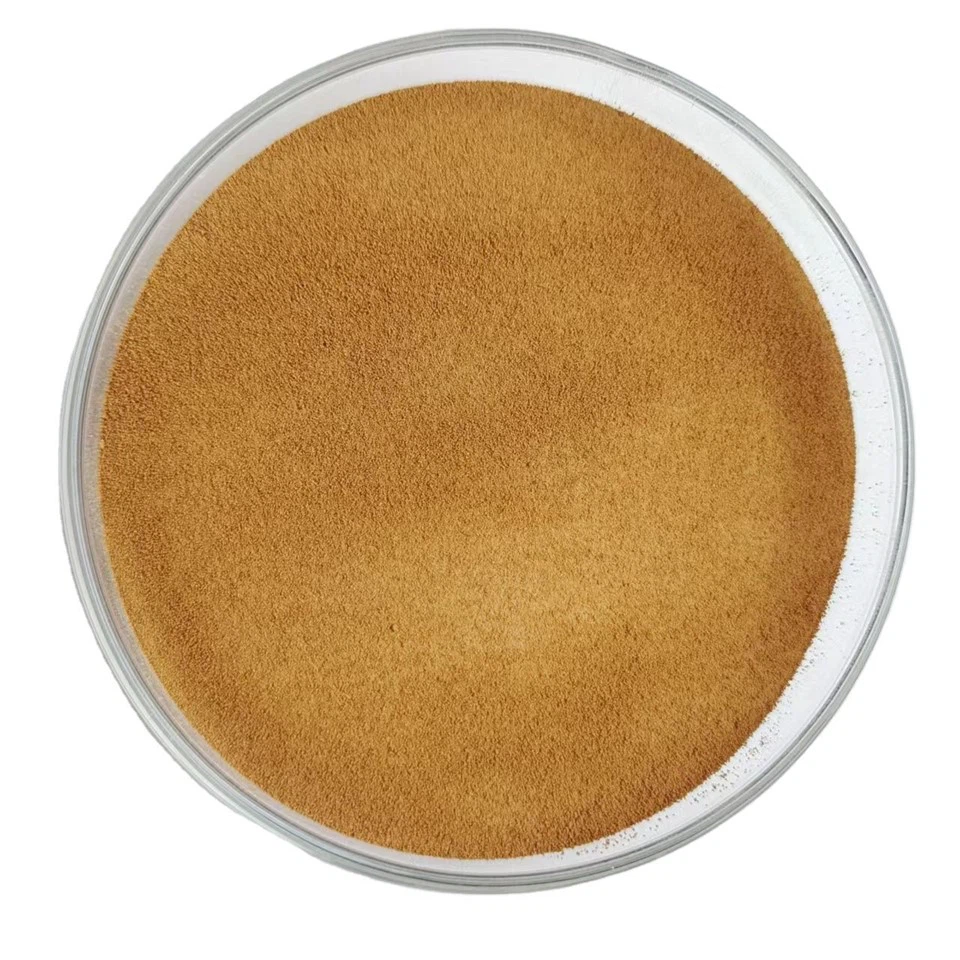
Dispersant NNO is called Sodium Naphthalene Sulphonate Formaldehyde, which is soluble in water, resistant to acid, alkali, salt and hard water, good diffusion performance. Dispersant NNO is a water-soluble high polymer. It is mainly used as dispersant in disperse dyes, reducing dyes, reactive dyes, acid dyes and leather dyes. It has good abradability, solubiliazation and dispersion.

Sodium Dodecyl Benzene Sulfonate
Sodium Dodecyl Benzene Sulfonate is a white to light yellow powder particle, nontoxic, odorless and completely soluble in water and is a high efficiency disperser for emulsification with remarkable anti-electrostatic effect.
Store the goods in a dedicated warehouse that is well-ventilated and dry and keep away from moisture.
Residual product must be sealed and stored to prevent moisture.

Sodium Salt of Butylnaphtalenesulfonic Acid, also known as open powder BX, penetrant BX, off-white powder, easily soluble in water, can significantly reduce the surface tension of water, has excellent permeability and wettability, rewettability can also be, and has emulsification, diffusion and foaming properties.
What is the Role of Penetrant BX
The main role of Penetrant BX includes lowering the surface tension of water, excellent penetration and wettability, rewettability is also good, and emulsification, diffusion and foaming properties.
Penetrant BX is an anionic surfactant that significantly reduces the surface tension of water, thereby enhancing the penetration and wetting ability of the liquid. It has a wide range of applications in the textile printing and dyeing industry, especially in various processes, such as textile, printing and dyeing, finishing, etc., wherever anionic Penetrant BX cannot be used, it is possible to choose Penetrant BX . The dosage is generally 1-5g/liter, and the specific dosage is determined according to the process requirements. In addition, Penetrant BX has excellent emulsification and diffusion properties, as well as good rewettability, and can provide stable performance under different conditions.
Penetrant BX has a wide range of uses, not limited to the textile printing and dyeing industry. It is also used as an emulsifier and softener in the rubber industry, a wetting agent in the paper industry, and a synergist in the color precipitation industry and the fertilizer and pesticide industry. In the textile printing and dyeing industry, Penetrant BX is mainly used as a penetrating agent and wetting agent to help the dyes penetrate into the fibers better and improve the dyeing quality and efficiency.
Through its unique chemical properties and wide range of applications, Penetrant BX plays an important role in industrial production and daily life.
How to Use Penetrant BX
Before using the Penetrant BX, the material to be treated needs to be cleaned to ensure that the surface is dry, free of dust, oil and so on. In addition, you need to choose the appropriate Penetrant BX and dilute it according to the requirements in the instructions.
Apply the Penetrant BX to the surface of the material to be treated and allow the Penetrant BX to dry naturally. This step requires several coats to ensure that the Penetrant BX fully penetrates into the material.
After the Penetrant BX has fully penetrated, the excess Penetrant BX should be wiped off the surface with absorbent paper or a clean cloth. This is to prevent the excess Penetrant BX from affecting the subsequent treatment and surface aesthetics.
After the Penetrant BX treatment of the material needs to wait for a certain period of time so that it fully absorbs the Penetrant BX, and then fixed to the shape of the fixed.
Precautions in the Use of Penetrant BX
Selection of Penetrant BX
Choosing the right Penetrant BX is the key to ensure the effectiveness of the work. First of all, you should choose the Penetrant BX suitable for the current working environment and conditions, such as indoor, outdoor, temperature, humidity and other factors will have an impact on the use of Penetrant BX effect. Secondly, you should choose the Penetrant BX that meets your technical ability and proficiency to ensure the safety and effectiveness of your work.
Preparation before use
Before using the Penetrant BX, adequate preparation should be carried out to ensure safety and effectiveness. Firstly, one should understand the use method and precautions of the Penetrant BX and follow the operation instructions. Secondly, site investigation should be carried out to determine the operating area and operating range of Penetrant BX, and isolate and mark the operating area to prevent accidental injury to others and things.

Pay attention to safety protection
The use of Penetrant BX is a dangerous operation, must do a good job of safety protection. First of all, professional training and skills assessment should be carried out for the operators to ensure that the operators are proficient in the use of Penetrant BX and precautions. Secondly, necessary personal protective equipment, such as masks, gloves, goggles, etc., should be equipped. During the operation, special attention should be paid to the surrounding environment and operational safety to avoid unnecessary accidents.
Methods of handling Penetrant BX
After the use of Penetrant BX, reasonable treatment and disposal must be carried out to protect the ecological environment and people's health. Firstly, the used Penetrant BX and waste should be collected uniformly and stored properly. Secondly, appropriate disposal methods such as degradation, combustion and landfill should be selected in accordance with relevant laws, regulations and standards.
The Penetration Property of a Penetrant BX Mainly Refers To
The penetration property of a Penetrant BX mainly refers to its ability to help the substance to be penetrated penetrate more easily into the interior of the substance to be penetrated. This property is achieved by lowering surface tension, increasing wettability, etc., which allows the Penetrant BX to penetrate deeply into fine surface defects and stay even in defects with openings in the surface, which are not easy to be cleaned out or dry out quickly. This property makes Penetrant BXs very useful in a variety of applications, such as in the dyeing and printing industry, where they help dyes penetrate more evenly into fabrics, or in the construction industry, where penetrating water repellents penetrate deep into the surface of building materials to provide long-term waterproofing protection. In addition, this property of Penetrant BXs makes them useful in a wide range of cleaning and maintenance applications, such as cleaning hard-to-reach stains or repairing minor surface damage.
Removal of Penetrant BX Cleaning Requirements
Cleaning method: Depending on the type of Penetrant BX (e.g., aqueous wash type, post-emulsification type, solvent removal type), select the appropriate cleaning method. For example, water-washing and post-emulsifying Penetrant BXs can usually be removed with water, while solvent-removing Penetrant BXs are removed using a cleaning agent. During the cleaning process, attention should be paid to the water temperature, water pressure and the use of cleaning agents to avoid damage to the surface of the workpiece or affect the test results.
Precautions: When removing Penetrant BX, should avoid excessive cleaning resulting in degradation of the quality of detection, but also to prevent the cleaning is not enough to affect the defects of the display recognition. For fluorescent Penetrant BX, it can be removed under UV light while observing to ensure effective removal of excess Penetrant BX.
Pre-treatment and subsequent steps: Prior to Penetrant BX flaw detection, surface cleaning and pre-cleaning must be performed to thoroughly remove all contaminants from the surface of the inspected part. This helps to improve the accuracy and reliability of the test.
Objective: The ideal objective of the cleaning operation is to remove a small amount of Penetrant BX from the defects and to minimize the amount of residual Penetrant BX on the surface of the specimen in order to maintain a certain level of background and to meet the imaging requirements.
The main components of a Penetrant BX include surfactants, solvents, and additives. Each of these components plays a different role in the Penetrant BX, together to achieve the function of the Penetrant BX. Surfactant is one of the main components of the Penetrant BX detection cleaner, including non-ionic surfactants (such as octanol polyoxyethylene ether) and anionic surfactants (such as sodium dodecyl benzene sulfonate). Solvents play a role in the Penetrant BX to dissolve the dye and provide penetration, commonly used solvents are aromatic hydrocarbons, kerosene, ethanol, acetone and so on. Auxiliaries are used to adjust the viscosity, volatilization rate and flash point of the Penetrant BX to improve its performance.
Color Penetrant BX in addition to containing the above basic components, but also specially added dyes to provide coloring effect, which is the key factor in determining the sensitivity and contrast of the Penetrant BX. Commonly used dyes include Sudan Red, Candle No. 128, Candle No. 223, Fluorescent Peach, Congo Red and Propyl Red, with Sudan IV being the most widely used.
The specific composition of a tree Penetrant BX may vary depending on the application scenario and needs, but will usually contain similar basic ingredients such as surfactants and solvents, as well as additives that may be needed to accommodate specific tree care or treatment needs.
Rating the removal performance of a Penetrant BX relies heavily on effective cleaning methods and procedures. Following Penetrant BX testing, appropriate cleaning methods should be employed to ensure complete removal of the Penetrant BX from the inspected surface, including but not limited to the use of steam, solvent immersion, ultrasonic cleaning, or aqueous solutions. These methods shall be selected so as to remove oil, grease, lacquer layers, and other substances that may prevent subsequent testing or cause misjudgments. In particular, solvent cleaning should be used as a final step to ensure that all Penetrant BXs are thoroughly removed. In addition, specific cleaning techniques, such as acid washing, may be required for specialized parts or specific materials to avoid damaging the part while ensuring complete removal of the Penetrant BX. By following these steps, the removal performance of the Penetrant BX can be effectively evaluated and ensured to meet the test requirements.
Storage of Penetrant BX
Common storage methods
① Refrigerated storage: Most of the Penetrant BX need to be stored in a low temperature environment, which can be stored in a freezer or refrigerator. The temperature is generally between 2℃~8℃ to maintain the chemical stability of the permeation agent.
② Room temperature storage: Some Penetrant BX can be stored at room temperature, but they need to be protected from light, moisture and heat. It is generally recommended that the temperature is between 15℃~25℃ and can be placed in a cool and ventilated place for storage.
③ Frozen storage: For some special osmotic agents, frozen storage is required. The temperature is generally below -15℃ and requires the use of centrifuge tubes or other suitable containers for storage.
④ Dry storage: There are also some osmotic agents that require dry storage, i.e., preservation through low humidity, low temperature and low oxygen environment. Treatment with desiccant or vacuum drying is generally required to ensure no loss of chemical properties of the Penetrant BX.
Precautions
① Avoid direct sunlight: The Penetrant BX should be kept away from direct sunlight, so as to avoid that the light will lead to changes in the chemical properties of the Penetrant BX.
② Avoid high humidity: The Penetrant BX should be stored in an environment with relative humidity not exceeding 60% to prevent moisture from affecting the Penetrant BX.
③ Avoid air contact: Some Penetrant BXs will react when exposed to air for too long, so it is necessary to add a certain amount of inert gas, such as nitrogen, argon, etc., to the container.
④ Clear marking: When storing osmotic agents, the contents and preservation time of each container need to be clearly marked to ensure the quality and safety of osmotic agents.
⑤ Wearing of gloves, masks, glasses and other protective equipment: Since the Penetrant BX has a certain degree of toxicity, protective equipment such as gloves, masks, glasses and other protective equipment should be worn when using the Penetrant BX to ensure personal safety.
Principle of Action of Penetrant BX
The principle of action of the Penetrant BX mainly involves reducing the surface tension of the liquid, changing the surface properties or structure of the material, thus promoting the penetration and diffusion of liquid or gas on the solid surface. Specifically:
Reducing surface tension
Penetrant can form a thin film on the surface of the liquid, reducing the surface tension and making it easier for the liquid to penetrate into the tiny pores or the interior of the material. This effect helps to enhance the wettability and adsorption of the liquid to the solid surface, thus promoting the penetration of the substance.
Modification of the surface properties or structure of materials
Penetrating agents can increase the permeation channels for substances by modifying the surface properties or structure of materials, for example, by enlarging the pore size. Such alterations contribute to the efficiency and effectiveness of the penetration of the substance.
Improvement of wettability
Penetrants can improve the wettability between the substance and the material surface, making it easier for the substance to contact and penetrate the material. This helps to improve the processing efficiency and effectiveness of the material.
Principle of Action of Penetrant BX
Selection of raw materials
The main raw materials of Penetrant BX are polyvinyl alcohol (PVA), methacrylate (MMA) and methyl acrylate (MMA). These raw materials are colorless and odorless liquid or powder, harmless to human body and environment, with strong penetration and adhesion ability.
Processing and preparation
The raw materials such as PVA, MMA and MMA are mixed according to a certain proportion, in which auxiliary materials such as lubricants and surfactants are added and stirred to mix. Then, the mixture is injected into a reactor and a peroxide catalyst is added to start the reaction. The reaction process requires constant stirring and control of the reaction temperature and time until the reaction is complete.
Purification and separation
After the reaction is completed, purification and separation are required to remove impurities and unreacted raw materials. Separation methods mainly include centrifugation, filtration, extraction, etc., which need to be selected according to the actual situation. After separation, the pure permeant will be stored.
Packaging and storage
For the purified and separated permeant, need to be packaged and stored. Packaging using non-toxic and harmless plastic drums or bottles, storage should avoid direct sunlight and high temperature environment. The storage period is generally 6 months to 1 year, after the expiration date, it is recommended to replace the new permeant.
Our Factory
Shanxi Jiankai Fine Chemicals Co., Ltd is one professional supplier of chemical additives in China, it is located in the first place called China-Yuncheng, it is also the hometown of Guan Yu. We are dedicated to the research, production and marketing for various chemical auxiliaries, including Leather & Textile Auxiliaries, Concrete & Mortar Admixtures, Food Additives, Water Treatment Chemicals, etc., and promotes the local characteristics products of Yuncheng to the world.
The company has five own production base, to supply stable and excellent products to customers. From raw materials incoming, products manufacturing till finished products inspection and output, strict control measures are taken in every segments. All of our products comply with international quality standards, the company has won good reputation and high praise in quality from domestic and oversea customers.
Besides from focusing on quality, we also pay attention to technology innovation. In recent years JIANKAI Chemicals constantly develops more and more new additives through the positive cooperation with famous laboratories and other enterprises. Jiankai Chemicals mainly supply Dispersing Agent NNO, Dispersing Agent MF, Penetrant BX, Citric Acid Monohydrate, Citric Acid Anhydrous, Sodium Naphthalene Sulfonate Formaldehyde, Naphthalene Superplasticizer, Polycarboxylate Superplasticizer Liquid & Powder, Melamine Sulfonate Formaldehyde, Retarders, Defoamers, Poly Aluminium Chloride, etc.
In the meantime, "customized production" concept is initially posted and implemented, which is to satisfy customer′s needs more well from different industries.
The company also have regular training to internal staffs, provide practical solutions according to customer′s concerns about products usages, after-sales services, etc, through which is recognized by customers from home and abroad.Specialty, efficiency and honesty are our philosophy, Jiankai is willing to work together with you to make greater achievements! We sincerely expect pleasant cooperation with you hand in hand for mutual growth!



FAQ
Hot Tags: penetrant bx, China penetrant bx manufacturers, suppliers, factory, fabric printing ink exporters, fabric dye suppliers, fabric bleaching agent manufacturers, fabric fixative exporters, fabric binders, textile preservative exporters