

Incomplete dispersion, dye particles aggregating
Problem Description:
In some dye formulations, the dispersant NNO may not be able to fully disperse the dye particles, resulting in the dye particles aggregating during the dyeing process and forming granular substances. This not only affects the dyeing effect but also may cause uneven dye usage, thereby impacting the color and quality of the final product.
Solution:
Increase the concentration of the dispersant NNO:
Appropriately increasing the usage of the dispersant NNO can help improve the dispersion effect of the dye particles. However, an excessively high concentration may cause other problems, so experiments need to be conducted for adjustment.
Optimize the mixing conditions:
Ensure that the dye and the dispersant NNO are fully mixed. Increasing the mixing time and speed can help improve the dispersion effect.
Using auxiliary dispersants:
In some cases, combining other auxiliary dispersants (such as polymer dispersants or surfactants) can enhance the dispersion efficiency and prevent particle aggregation.
The dispersant NNO has poor solubility for the dyes.
Problem Description:
Certain special types of dyes (such as some oil-soluble dyes) may have poor solubility with the dispersant NNO, making it difficult for the dye particles to be evenly distributed in the solution. In such cases, the poor solubility of the dyes affects the dyeing effect and the stability of the dyes.
Solution:
Select the appropriate solvent:
For dyes with poor solubility, choose the suitable solvent to help the dyes dissolve better, thereby enhancing their compatibility with the dispersant.
Adjusting pH value:
The solubility of dyes is often influenced by the pH value of the solution. Adjusting the acidity or alkalinity of the solution can help improve the solubility of the dyes.
Use special types of dispersants:
For dyes with poor solubility, one can choose specially designed dispersants, or optimize the solubility of the dyes by mixing them with other dispersants.
The temperature sensitivity issue of the dispersant NNO
Problem Description:
In a high-temperature environment, the dispersant NNO may undergo degradation or failure, resulting in a decrease in the dispersion effect of the dye particles, thereby affecting the performance and quality of the dye. During the high-temperature dyeing process, the temperature sensitivity of the dispersant is a common challenge.
Solution:
Control the dyeing temperature:
Ensure that the temperature during the dyeing process is within the applicable range of the dispersant NNO, and avoid excessively high temperatures that may cause the degradation of the dispersant.
Improved dispersant formulation:
Develop a dispersant NNO that is suitable for high-temperature environments, or enhance the high-temperature resistance of the dispersant by adding components with greater thermal stability.
Use heat stability enhancers:
Add heat stability enhancers to the dispersant NNO to enhance its stability at high temperatures.
Environmental and safety issues
Problem Description:
Although the dispersant NNO has a lower environmental hazard compared to other chemicals, its impact on the environment still needs to be monitored when used in large quantities over a long period. Especially in the dye industry, the accumulation and discharge of the dispersant may cause certain pollution to water sources.
Solution:
Strengthen wastewater treatment:
During the dye production and dyeing processes, wastewater treatment should be enhanced to prevent the direct discharge of dispersants and their residual substances into water bodies.
Develop eco-friendly dispersants:
Promote the research and development of more environmentally friendly dispersants, using natural sources for dispersants or chemicals with greater biodegradability to reduce negative impacts on the environment.
Optimize usage:
Reasonably control the amount of dispersant used, avoid overuse, and reduce the environmental burden of chemicals.
Shanxi jiankai fine chemicals co.,ltd-Dispersant NNO
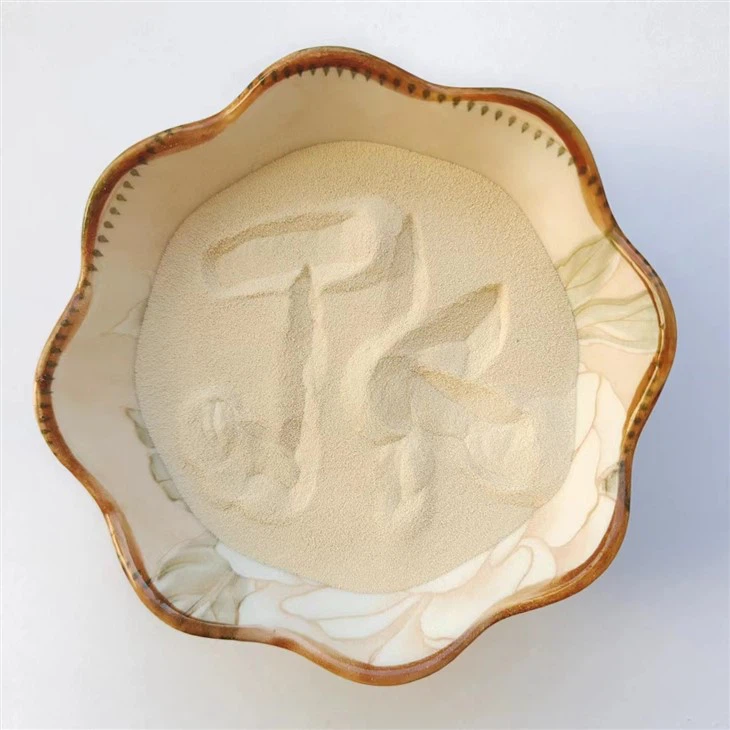
Container Loading of Dispersant NNO

warmly welcome your inquiry of dispersant nNO at anytime.

