

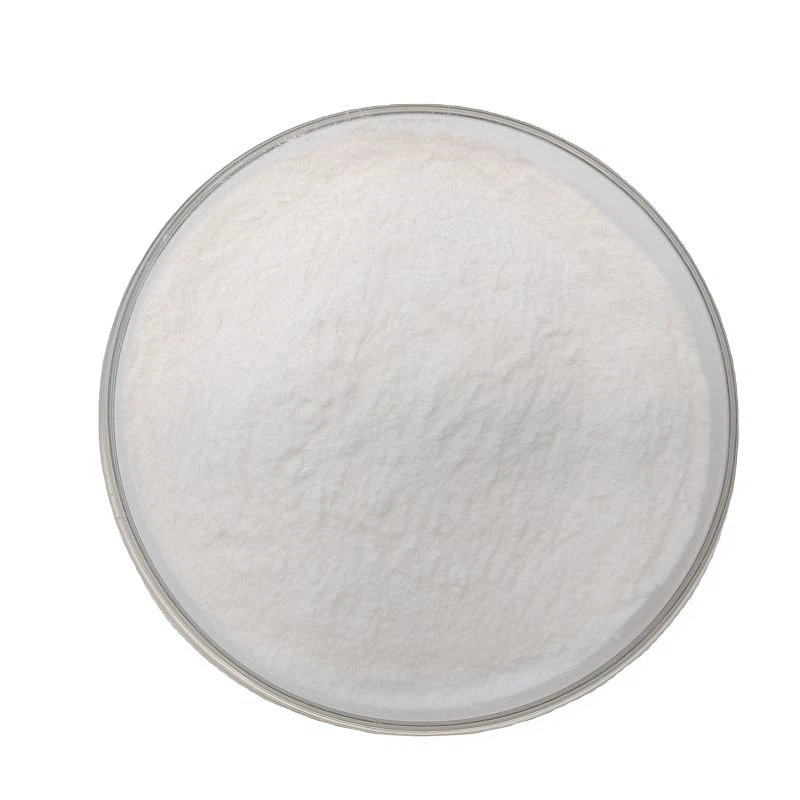
Polycarboxylate Superplasticizer Powder Mortar Additive
In the special mortar industry, powdered polycarboxylate superplasticizer water reducer is increasingly used, such as self-leveling cement, gypsum self-leveling, repair mortar, grouting material, support mortar, grouting material, UHPC high-performance concrete, etc. Polycarboxylate Superplasticizer Powder high performance water reducer can improve the fluidity of mortar and increase the early and late strength of mortar materials.

Polycarboxylate Superplasticizer Powder Advantages in mortar
High water reduction rate
In the daily production process, we use the three most commonly used cementitious materials (calcium sulfate cementing materials, silicate cement, calcium aluminate cement). In the process of using these materials, there are often some misunderstandings, that is, the water ratio problem. Usually, the water ratio used in our finished materials is actually far more than the amount of water required for hydration of the cementitious materials. The extra water is to adjust the workability (constructibility) of the system. Water reduction does not mean loss of workability, but may improve this aspect of performance. So what are the benefits of reducing the amount of water?
Improve strength
Early strength (early strength), as we all know, the water in the material slowly evaporates until it is gone after the cementitious material solidifies with the passage of time, under the influence of factors such as temperature and wind, so the smaller the water ratio is, the less water needs to be evaporated, and the better the early strength of the material will be. Final strength (final strength), similarly to the above part, the less water used in the material, the greater the density ratio of the material, the fewer voids are generated, and the final strength will be improved.
Improve shrinkage
The tight gelation of cementitious materials produced in the continuous hydration process will produce a large shrinkage effect, especially in the case of a large water ratio. In summary, the shrinkage space given by a small water ratio is less than that of a large water ratio, which is one of them. In addition, modified polycarboxylic acid monomer is a polymer material. In the past, it has another name, called plasticizer. After the water evaporates, the question is, what about polycarboxylic acid monomer? In fact, as a polymer material, it has been plasticized and filled in every gap that may shrink. It has a certain effect of reducing shrinkage. This is the second.
Construction performance
The water reduction principle of modified Polycarboxylate Superplasticizer Powder is that the polymer wraps the hydrate molecules so that the hydrate does not combine with water. In layman's terms, it is to set up a barrier between the gelling material and water. The result is that the gelling material will follow the flow of water and produce push-over, which is what we usually call fluidity. That is to say, polycarboxylate can provide good workability construction performance while reducing the water ratio. For finished materials that do not require fluidity (anti-sagging, etc.), it can be adjusted by high-viscosity cellulose and starch ether.
Other advantages
Because polycarboxylate water reducer is a polymer, the dosage is very low. The generally recommended dosage is 0.1%-0.5% of the cementitious material. At such a small dosage, people may have doubts about the water dispersibility of polycarboxylates (stirring time when encountering water during construction). The solid particles of more mature polycarboxylate products should be able to dissolve quickly, quickly disperse to every corner of the product through electrostatic repulsion and steric hindrance, and then quickly adsorb, so that the stirring time during construction is greatly shortened.
After a long period of repeated demonstration, the modified polycarboxylate superplasticizer water reducer has a very small effect on the hydration of cementitious materials compared with other water reducers. It also has an unparalleled advantage in compatibility with other additives. The almost zero AEPO emission makes it stand out in materials with high environmental requirements.
Usage suggestions
The performance requirements for each finished material are different, so polycarboxylate finished water reducers are also divided into various models, such as performance categories: focusing on fluidity, retention, higher water reduction rate, better plasticization performance, comprehensive performance, etc.
Therefore, when purchasing polycarboxylate superplasticizer water reducer, try to find professional manufacturers and distributors, and inform their professional sales staff of the performance requirements of their own materials, so as to quickly find matching products and avoid detours.
In addition to the use of special mortar industry, powdered polycarboxylate water reducers have been extended to ordinary dry-mixed mortar, insulation boards, prefabricated components, EPS lines, interior and exterior wall finishing materials, gypsum-based materials, tile adhesives, electric porcelain and other fields. More and more industries use powdered polycarboxylate water reducers, which proves the important role of powdered polycarboxylate water reducers in mortar materials.