

When it comes to the application of penetrant BX in various industrial processes, one crucial aspect that often concerns users is the waiting time after applying the developer. As a supplier of penetrant BX, I've encountered numerous inquiries regarding this topic. In this blog post, I'll delve into the factors influencing the waiting time and provide some guidelines to help you optimize your processes.
Understanding Penetrant BX
Before discussing the waiting time, let's briefly introduce penetrant BX. Penetrant BX, also known as Penetrant BX, is a highly effective wetting and penetrating agent widely used in the textile, leather, and printing industries. It has excellent emulsifying, dispersing, and wetting properties, which can significantly improve the permeability of dyes and chemicals in the processing of fabrics and other materials.
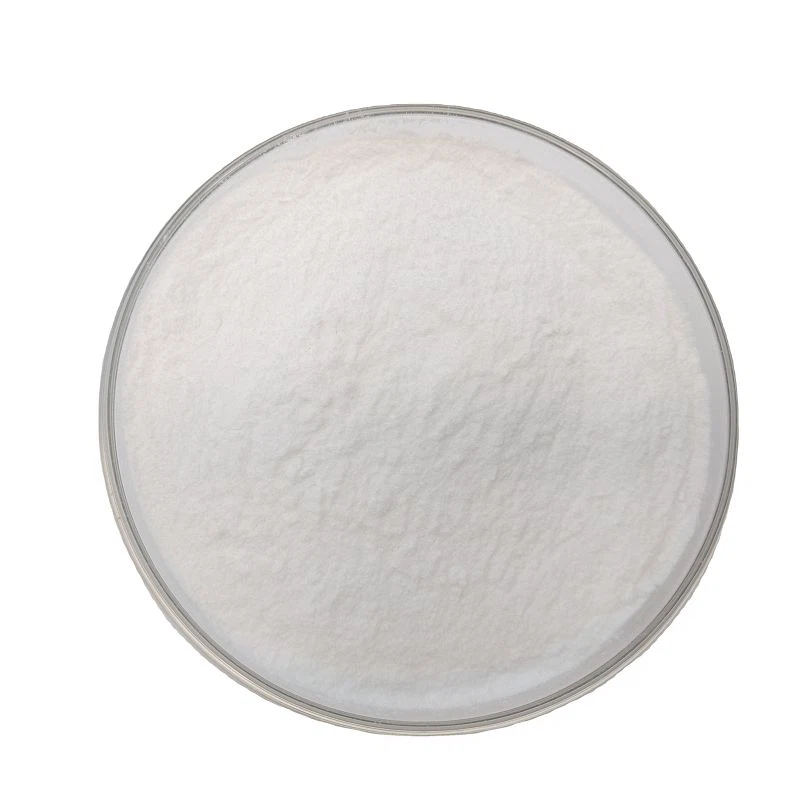
The main active ingredient in penetrant BX is Sodium Dodecyl Benzene Sulfonate, a common anionic surfactant. Sodium Dodecyl Benzene Sulfonate is known for its strong detergency, emulsifying ability, and stability in hard water. These properties make penetrant BX an ideal choice for various industrial applications.

The Role of the Developer
In non - destructive testing (NDT) and some chemical processing methods involving penetrant BX, a developer is often used. The developer serves several important functions. Firstly, it draws out the penetrant that has seeped into surface defects, making these defects visible. Secondly, it enhances the contrast between the penetrant and the background material, facilitating easy detection and evaluation of the defects.
Factors Affecting the Waiting Time
- Type of Material
The material being tested or processed plays a significant role in determining the waiting time. Different materials have different porosities, surface tensions, and chemical compositions. For example, porous materials such as certain types of fabrics or soft metals may absorb the penetrant more quickly and deeply. In such cases, the waiting time for the developer to draw out the penetrant might be shorter compared to non - porous materials like glass or some plastics. - Temperature and Humidity
Environmental conditions can have a profound impact on the waiting time. Higher temperatures generally accelerate the evaporation of solvents in the penetrant and developer, as well as the diffusion of the penetrant out of the defects. On the other hand, high humidity can slow down the evaporation process and may require a longer waiting time. In a hot and dry environment, the waiting time might be reduced by up to 30% compared to a cold and humid environment. - Penetrant and Developer Formulations
The specific formulations of the penetrant BX and the developer used also matter. Some penetrants are formulated with faster - acting solvents, which can reduce the overall waiting time. Similarly, developers with better wicking properties can draw out the penetrant more rapidly. For instance, water - based penetrants and developers may have different waiting time requirements compared to solvent - based ones. - Size and Depth of Defects
The size and depth of the surface defects are important factors. Larger and deeper defects can hold more penetrant, and it may take longer for the developer to draw out all the penetrant from these defects. Micro - cracks, for example, may require a longer waiting time compared to larger surface flaws.
General Guidelines for Waiting Time
Based on years of experience and industry standards, here are some general guidelines for the waiting time after applying the developer:
- For Small and Shallow Defects
In most cases, when dealing with small and shallow surface defects on common materials such as mild steel or cotton fabrics, the waiting time can range from 5 to 10 minutes. This allows the developer enough time to draw out the penetrant and make the defects visible. - For Larger and Deeper Defects
If the defects are larger and deeper, the waiting time may need to be extended to 15 - 30 minutes. This is especially true for materials with low porosity, where the penetrant may be more difficult to extract. - Testing and Optimization
It's always advisable to conduct small - scale tests on a sample of the material before full - scale processing. By varying the waiting time and observing the results, you can determine the optimal waiting time for your specific application.
Importance of Correct Waiting Time
Ensuring the correct waiting time is crucial for accurate results. If the waiting time is too short, the penetrant may not be fully drawn out of the defects, leading to false negatives where actual defects are not detected. On the other hand, if the waiting time is too long, the penetrant may spread on the surface, creating false positives and making it difficult to distinguish real defects from background noise.
Best Practices for Applying the Developer
- Uniform Application
Apply the developer evenly over the surface. Uneven application can lead to inconsistent results, with some areas showing clear defect indications while others are unclear. - Proper Thickness
The thickness of the developer layer also matters. A too - thin layer may not be able to draw out the penetrant effectively, while a too - thick layer can cause excessive background noise. Generally, a thin, uniform layer of about 0.05 - 0.1 mm is recommended.
Conclusion
In conclusion, the waiting time after applying the developer for penetrant BX is a complex parameter that depends on multiple factors. As a penetrant BX supplier, I understand the importance of providing accurate information to our customers to ensure the success of their processes. By considering the type of material, environmental conditions, penetrant and developer formulations, and the size of defects, you can determine the appropriate waiting time.
If you're looking for high - quality penetrant BX for your industrial applications, we're here to assist you. Our products are formulated to meet the highest industry standards and can provide reliable performance in various processes. Whether you're in the textile, leather, or NDT industry, we have the right solution for you.
If you have any questions about penetrant BX, the waiting time, or other related topics, or if you're interested in purchasing our products, please feel free to reach out to us. We're committed to providing excellent customer service and technical support to help you achieve the best results in your operations.
References
- ASTM International. Standard Test Methods for Liquid Penetrant Testing.
- ASNT (American Society for Nondestructive Testing). Nondestructive Testing Handbook, Volume 1: Liquid Penetrant Testing.
- Industrial Textile Processing Manual, various editions.