

Solubility is a fundamental property that determines the effectiveness and applicability of chemical substances in various industries. As a dedicated supplier of Dispersant MF, I often encounter inquiries about its solubility in water. Understanding this characteristic is crucial for users in industries such as textiles, dyes, and construction, where Dispersant MF plays a pivotal role. In this blog, we'll delve into the solubility of Dispersant MF in water, exploring the factors that influence it and its implications for different applications.
What is Dispersant MF?
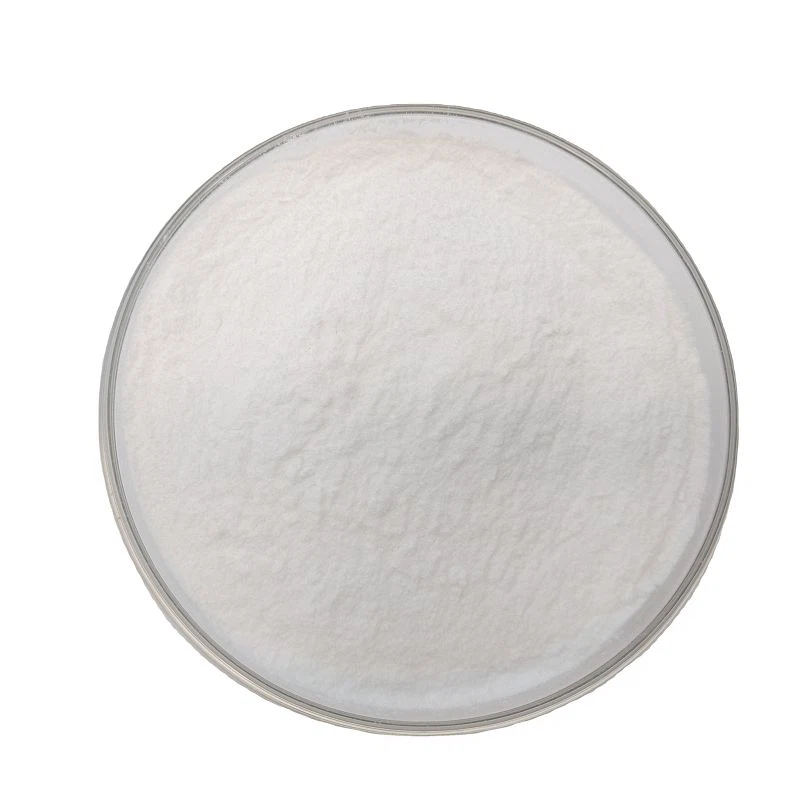
Dispersant MF, also known as sodium methylene bis - naphthalene sulfonate, is a highly effective anionic dispersant. It is widely used in the textile industry for dyeing and printing processes, where it helps to disperse dyes evenly in water, preventing them from agglomerating and ensuring uniform coloration of fabrics. In the construction industry, it is used as a water - reducing agent in concrete, improving the workability and strength of the concrete mixture.
Solubility of Dispersant MF in Water
Dispersant MF exhibits excellent solubility in water. At room temperature (around 20 - 25°C), it can dissolve readily in water to form a clear, stable solution. This high solubility is due to its chemical structure. The sodium sulfonate groups in Dispersant MF are highly hydrophilic, which means they have a strong affinity for water molecules. When Dispersant MF is added to water, these hydrophilic groups interact with water molecules through ion - dipole interactions, allowing the dispersant to dissolve and disperse evenly in the water.
The solubility of Dispersant MF in water also varies with temperature. Generally, as the temperature increases, the solubility of Dispersant MF in water also increases. Higher temperatures provide more kinetic energy to the molecules, which helps to break the intermolecular forces between the Dispersant MF molecules and allows them to mix more easily with water molecules. For example, at lower temperatures, a certain amount of Dispersant MF may dissolve to form a saturated solution. But when the temperature is raised, more of the dispersant can dissolve in the same volume of water.
Factors Affecting Solubility
pH of the Solution
The pH of the water can have a significant impact on the solubility of Dispersant MF. In a neutral or slightly alkaline environment, Dispersant MF maintains good solubility. However, in a strongly acidic environment, the sodium ions in the sodium sulfonate groups may react with hydrogen ions, forming insoluble substances. This can lead to a decrease in solubility and the formation of precipitates. Therefore, when using Dispersant MF, it is important to control the pH of the solution to ensure optimal solubility.

Presence of Other Substances
The presence of other substances in the water can also affect the solubility of Dispersant MF. For example, if there are high concentrations of calcium or magnesium ions in the water (hard water), these ions can react with the sulfonate groups in Dispersant MF to form insoluble salts. This can reduce the solubility of Dispersant MF and may also affect its dispersing performance. In such cases, it may be necessary to use water softeners or other additives to remove or reduce the concentration of these ions.
Implications for Different Applications
Textile Industry
In the textile industry, the solubility of Dispersant MF in water is of utmost importance. When used in dyeing processes, it needs to dissolve quickly and evenly in water to disperse the dyes effectively. A high - solubility dispersant ensures that the dyes are uniformly distributed in the dye bath, resulting in consistent coloration of the fabrics. Moreover, the stability of the solution formed by Dispersant MF and water also affects the dyeing process. A stable solution prevents the dyes from agglomerating during the dyeing process, which can lead to uneven color or dye spots on the fabrics.
Construction Industry
In the construction industry, the solubility of Dispersant MF in water is related to its performance as a water - reducing agent in concrete. When Dispersant MF is added to the concrete mixture, it needs to dissolve in the water phase of the mixture. A well - dissolved dispersant can effectively adsorb on the surface of cement particles, reducing the surface tension between the particles and the water. This allows the concrete mixture to have better workability, which means it can be easily mixed, transported, and placed. Additionally, the solubility of Dispersant MF can also affect the long - term performance of the concrete, such as its strength and durability.
Comparison with Other Dispersants
When comparing Dispersant MF with other dispersants, its solubility in water is one of its advantages. For example, compared to some non - ionic dispersants, Dispersant MF has a higher solubility in water due to its anionic nature. The hydrophilic sodium sulfonate groups in Dispersant MF make it more easily soluble in water than non - ionic dispersants that rely on weaker intermolecular forces for solubility.
Another common dispersant in the industry is Sodium Dodecyl Benzene Sulfonate. While it also has good solubility in water, Dispersant MF has better dispersing performance in some applications, especially in systems where high - temperature stability and strong dispersing ability are required.
Penetrant BX is another product often used in the textile industry. It is mainly used for its penetration properties. However, in terms of solubility and dispersing ability for dyes, Dispersant MF has its unique advantages. Dispersant MF can form a more stable dispersion system in water, which is crucial for ensuring the quality of dyeing and printing processes.
Conclusion
The solubility of Dispersant MF in water is a key characteristic that affects its performance in various industries. Its excellent solubility at room temperature and the ability to increase solubility with temperature make it a versatile and effective dispersant. However, factors such as pH and the presence of other substances need to be considered to ensure optimal solubility and performance.
As a supplier of Dispersant MF, I understand the importance of providing high - quality products with consistent solubility characteristics. We are committed to offering products that meet the strict requirements of different industries. If you are interested in purchasing Dispersant MF or have any questions about its solubility or application, please feel free to contact us for further discussions and procurement negotiations.
References
- Textile Chemicals Handbook, Edition 2023
- Construction Materials Chemistry, 3rd Edition