

As a supplier of Dispersant NNO, I understand the critical importance of ensuring the high - performance of our product. Dispersant NNO, also known as Sodium Naphthalene Sulfonate Formaldehyde Condensate, is widely used in various industries such as textiles, dyes, and construction. In this blog, I will share some effective ways to test the performance of Dispersant NNO, which can help you make a more informed decision when purchasing our product.
1. Physical and Chemical Property Testing
Appearance and Solubility
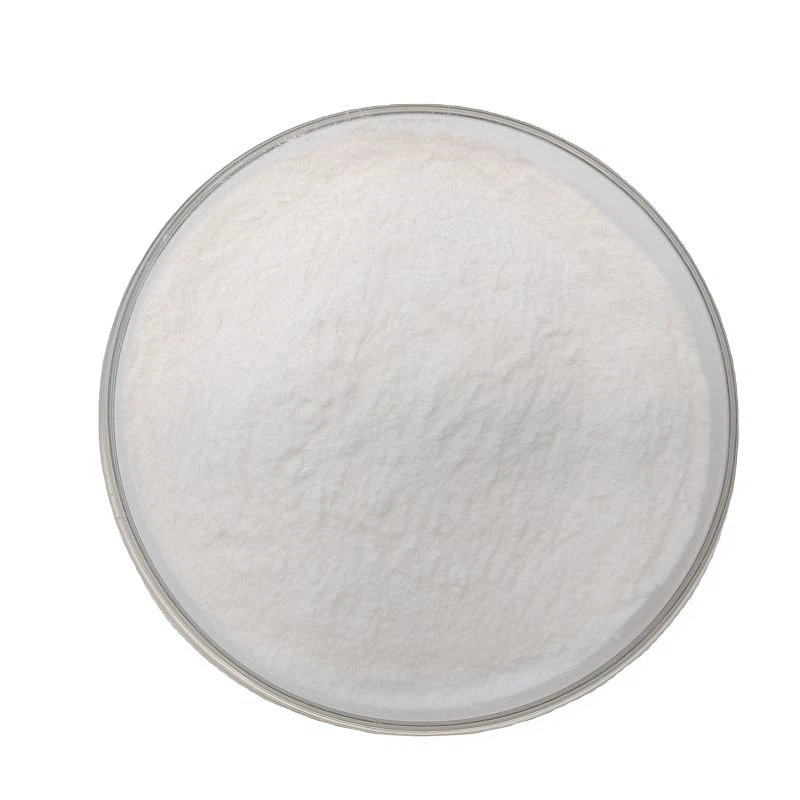
The first step in testing Dispersant NNO is to examine its appearance. High - quality Dispersant NNO usually appears as a yellow - brown powder. Any significant deviation in color, such as a dark - brown or blackish tint, may indicate impurities or improper manufacturing processes.
Next, solubility is a crucial physical property. Dissolve a certain amount of Dispersant NNO in water at a specified temperature (usually around 20 - 25°C). A good - quality Dispersant NNO should dissolve completely and quickly, leaving no visible undissolved particles. If there are insoluble residues, it may affect its dispersing ability in practical applications.
pH Value
The pH value of a Dispersant NNO solution can influence its performance. Use a pH meter to measure the pH of a 1% (w/v) aqueous solution of Dispersant NNO. The typical pH range for Dispersant NNO is between 7 - 9. A pH value outside this range may not only affect the stability of the dispersant itself but also interact negatively with other substances in the system where it is used.
Viscosity
Viscosity testing can provide insights into the molecular structure and concentration of Dispersant NNO. By using a viscometer, measure the viscosity of a Dispersant NNO solution with a certain concentration. Changes in viscosity can indicate issues such as degradation or improper polymerization during the manufacturing process. A significant increase in viscosity may lead to poor flowability and reduced dispersing efficiency.
2. Dispersing Performance Testing
Dye Dispersion Test
One of the primary applications of Dispersant NNO is in the textile and dyeing industry. To test its dye - dispersing performance, prepare a dye suspension with a specific dye concentration. Add a measured amount of Dispersant NNO to the suspension and stir it thoroughly.
After a certain period of time (usually 30 - 60 minutes), observe the dispersion state of the dye particles. A well - functioning Dispersant NNO will prevent the dye particles from agglomerating and keep them uniformly dispersed in the solution. You can use a microscope to examine the size and distribution of the dye particles. The smaller and more evenly distributed the particles are, the better the dispersing performance of the Dispersant NNO.
Pigment Dispersion Test
In the paint and coating industry, Dispersant NNO is used for pigment dispersion. Similar to the dye dispersion test, prepare a pigment suspension and add Dispersant NNO. Monitor the stability of the suspension over time. A good Dispersant NNO will maintain the stability of the pigment suspension, preventing sedimentation and flocculation. You can measure the sedimentation rate by observing the height of the sediment layer at the bottom of the container after a set period. A lower sedimentation rate indicates better dispersing properties.
3. Compatibility Testing
Compatibility with Other Chemicals
In many practical applications, Dispersant NNO is used in combination with other chemicals. Therefore, it is essential to test its compatibility with these substances. For example, in the textile industry, it may be used together with Penetrant BX. Mix Dispersant NNO with Penetrant BX in a specific ratio and observe the resulting solution. There should be no visible signs of precipitation, phase separation, or chemical reactions.
In the construction industry, it may be used with cement additives. Conduct a compatibility test by adding Dispersant NNO to the cement paste containing other additives. Monitor the setting time, strength development, and workability of the cement paste. Any significant changes in these properties may indicate incompatibility issues.
Compatibility with Different Substrates
Dispersant NNO is applied to various substrates, such as different types of fibers in the textile industry or different types of pigments in the paint industry. Test its compatibility with different substrates by applying a small amount of the Dispersant NNO - containing solution on the substrate and observing the interaction. There should be no adverse effects such as discoloration, damage to the substrate, or poor adhesion.

4. Thermal Stability Testing
Dispersant NNO may be exposed to high temperatures during some industrial processes. Therefore, thermal stability is an important performance indicator. Heat a sample of Dispersant NNO to a specific temperature (e.g., 100 - 200°C) for a certain period (e.g., 1 - 2 hours) and then check its physical and chemical properties.
The appearance, solubility, and dispersing performance after heating should not change significantly. Any degradation, such as a change in color, formation of insoluble substances, or reduced dispersing ability, indicates poor thermal stability.
5. Storage Stability Testing
Proper storage is crucial for maintaining the quality of Dispersant NNO. Conduct a storage stability test by storing samples of Dispersant NNO under different conditions, such as different temperatures (e.g., 5°C, 25°C, and 40°C) and relative humidities (e.g., 30%, 60%, and 90%).
Periodically check the physical and chemical properties of the stored samples. The performance of Dispersant NNO should remain stable over a reasonable storage period. Any significant deterioration in properties indicates poor storage stability, which may affect its usability in the long - term.
Conclusion
Testing the performance of Dispersant NNO is a comprehensive process that involves multiple aspects of physical, chemical, and application - related properties. By conducting these tests, you can ensure that you are getting a high - quality product that meets your specific requirements.
As a reliable supplier of Dispersant NNO, we always adhere to strict quality control measures to ensure the performance and stability of our products. If you are interested in our Sodium Naphthalene Sulphonate Condensate or JK - MF - A Dispersing Agent MF(Na2SO4<5%) supragil mns 90 CAS NO 9084 - 06 - 4 and other related products, or if you have any questions about product testing and application, please feel free to contact us for further discussion and negotiation. We are looking forward to providing you with the best products and services.
References
- Smith, J. (2018). "Advances in Dispersant Technology." Journal of Chemical Industry.
- Brown, A. (2019). "Compatibility Studies of Chemical Additives." Chemical Engineering Review.
- Green, C. (2020). "Thermal Stability of Industrial Chemicals." Heat Transfer Science Journal.