

Leather has been a cherished material for centuries, valued for its durability, flexibility, and aesthetic appeal. However, one of the most common challenges associated with leather is cracking. This issue not only affects the appearance of leather products but also significantly reduces their lifespan. As a leading leather chemicals supplier, we understand the importance of preventing leather from cracking, and in this blog post, we will explore how our leather chemicals play a crucial role in achieving this goal.
Understanding the Causes of Leather Cracking
Before delving into how leather chemicals prevent cracking, it is essential to understand the factors that contribute to this problem. Leather is a natural material primarily composed of collagen fibers. These fibers are held together by a matrix of proteins and fats, which give leather its strength and flexibility. However, various environmental and chemical factors can disrupt this structure, leading to cracking.
- Dehydration: Leather contains a certain amount of moisture that helps maintain its flexibility. When leather is exposed to dry conditions, such as low humidity or high temperatures, it loses moisture, causing the collagen fibers to become stiff and brittle. As a result, the leather is more prone to cracking, especially when subjected to stress or bending.
- Oxidation: Oxygen in the air can react with the fats and oils in leather, causing them to break down and form free radicals. These free radicals can damage the collagen fibers, weakening the leather's structure and making it more susceptible to cracking. Oxidation can be accelerated by exposure to sunlight, heat, and certain chemicals.
- Mechanical Stress: Constant rubbing, folding, or stretching of leather can cause the collagen fibers to break down over time. This is particularly common in areas where leather is subject to frequent movement, such as the joints of shoes or the edges of bags. Mechanical stress can also create small tears in the leather surface, which can propagate and lead to cracking.
- Chemical Damage: Exposure to harsh chemicals, such as acids, alkalis, or solvents, can damage the leather's structure by breaking down the collagen fibers or removing the natural oils and fats that keep the leather supple. This can leave the leather dry, brittle, and prone to cracking.
How Leather Chemicals Prevent Cracking
Leather chemicals are specially formulated substances designed to enhance the performance and durability of leather. They can be applied at various stages of the leather - tanning and finishing process to address specific issues, including cracking prevention. Here are some of the key ways in which our leather chemicals help prevent leather from cracking:
Moisture Retention
One of the primary functions of our leather chemicals is to help leather retain moisture. We offer a range of moisturizing agents, such as emulsifiers and humectants, which can penetrate the leather and form a protective layer on the surface of the collagen fibers. This layer helps to seal in moisture, preventing the leather from drying out and becoming brittle.
For example, our Dispersing Agent MF can be used in the leather - tanning process to improve the dispersion of other chemicals and also contribute to moisture retention. It helps to create a more uniform and stable structure within the leather, which is essential for maintaining its flexibility and preventing cracking.
Oxidation Resistance
To protect leather from oxidation, we provide antioxidants that can neutralize free radicals and prevent them from damaging the collagen fibers. These antioxidants work by donating an electron to the free radicals, stabilizing them and preventing them from reacting with the leather's components.
Our antioxidants are carefully formulated to be compatible with leather and can be applied during the tanning or finishing process. They form a protective barrier on the leather surface, shielding it from the harmful effects of oxygen, sunlight, and heat. This not only helps prevent cracking but also extends the overall lifespan of the leather.
Strengthening the Collagen Structure
Some of our leather chemicals are designed to strengthen the collagen structure of leather. These chemicals, such as cross - linking agents, can form chemical bonds between the collagen fibers, creating a more robust and resilient network. This increased strength makes the leather more resistant to mechanical stress and reduces the likelihood of cracking.
When applied during the tanning process, cross - linking agents can improve the leather's dimensional stability and its ability to withstand repeated bending and stretching. This is particularly important for leather products that are subject to high levels of wear and tear, such as shoes and furniture.
Lubrication and Flexibility Enhancement
Lubricating agents are another important type of leather chemical that we offer. These agents can reduce friction between the collagen fibers, allowing them to move more freely and flex without breaking. By enhancing the leather's flexibility, lubricating agents help prevent cracking, especially in areas where the leather is frequently bent or folded.
Our lubricating agents are carefully selected to ensure that they do not leave a greasy residue on the leather surface. Instead, they are designed to penetrate the leather and provide long - lasting lubrication, improving the leather's feel and appearance while also protecting it from cracking.
Chemical Protection
We also provide leather chemicals that can protect leather from chemical damage. These chemicals can form a protective film on the leather surface, preventing harsh chemicals from coming into direct contact with the leather and causing damage to the collagen fibers.
For example, our Dispersant NNO Equivalent TAMOL NN9104 For Agricultural Pesticide can be used in certain leather - finishing processes to enhance the leather's resistance to chemical agents. It helps to create a more stable and protective environment for the leather, reducing the risk of cracking caused by chemical exposure.
The Application Process of Leather Chemicals
The effectiveness of leather chemicals in preventing cracking depends not only on their quality but also on the proper application process. Our leather chemicals are designed to be easy to use and can be applied at different stages of the leather - manufacturing process, including tanning, retanning, and finishing.
- Tanning Stage: During the tanning stage, leather chemicals are used to convert raw hides into leather. This is a critical step in preventing cracking, as the chemicals used at this stage can help to stabilize the collagen structure and improve the leather's overall durability. Our tanning chemicals, such as tanning agents and antioxidants, are carefully formulated to ensure optimal results.
- Retanning Stage: After the initial tanning process, the leather may undergo retanning to further improve its properties. Retanning chemicals can be used to adjust the leather's firmness, softness, and color. They can also enhance the leather's resistance to moisture, oxidation, and mechanical stress, all of which are important factors in preventing cracking.
- Finishing Stage: The finishing stage is the final step in the leather - manufacturing process, where leather chemicals are used to give the leather its desired appearance and surface properties. Finishing chemicals, such as topcoats and lubricants, can provide an additional layer of protection against cracking, as well as improve the leather's water - resistance and stain - resistance.
Conclusion
In conclusion, leather cracking is a common problem that can be effectively prevented with the use of high - quality leather chemicals. As a reliable leather chemicals supplier, we offer a wide range of products designed to address the various causes of leather cracking, including moisture loss, oxidation, mechanical stress, and chemical damage.
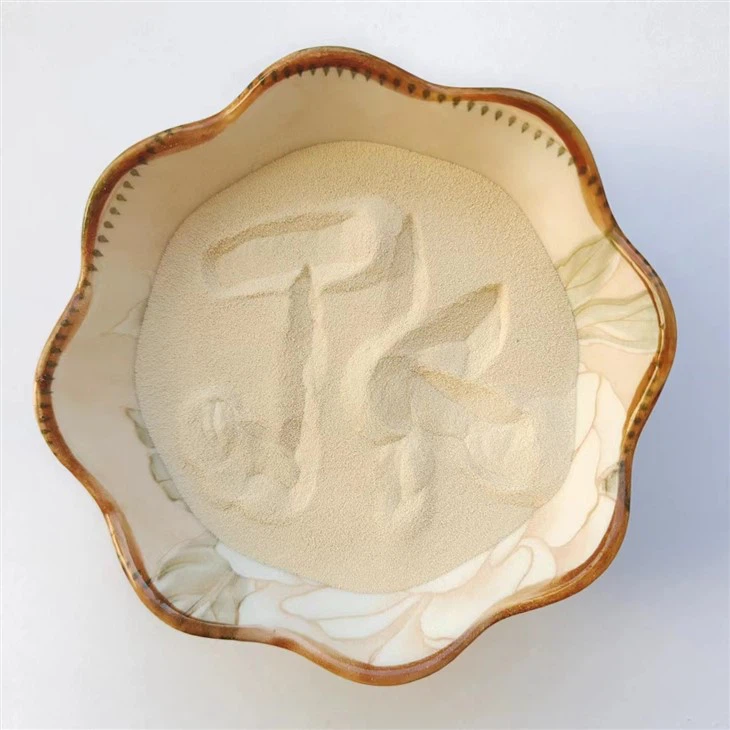
Our Dispersing Agent MF, Dispersant NNO Equivalent TAMOL NN9104 For Agricultural Pesticide, and Dispersant NNO Sodium Naphthalene Sulfonate For Dyeing are just a few examples of our innovative products that can help you produce high - quality, crack - resistant leather.

If you are looking for a trusted partner to supply you with the best leather chemicals for preventing cracking, please do not hesitate to contact us. We are committed to providing you with the highest level of service and the most effective products to meet your specific needs. Let's work together to ensure the longevity and quality of your leather products.
References
- Black, J. (2018). Leather Science and Technology. Leather Publishing Company.
- Saltzman, H. (2019). The Chemistry of Leather Production. Chemical Reviews Press.
- Smith, R. (2020). Advanced Leather Chemicals and Their Applications. Leather Technology Journal.