

As a supplier of dispersant NNO, I often receive inquiries from customers in various industries, and one question that frequently comes up is whether dispersant NNO can be used in the production of paints. In this blog post, I'll delve into this topic, exploring the properties of dispersant NNO, its potential applications in paint production, and the factors to consider.
Understanding Dispersant NNO
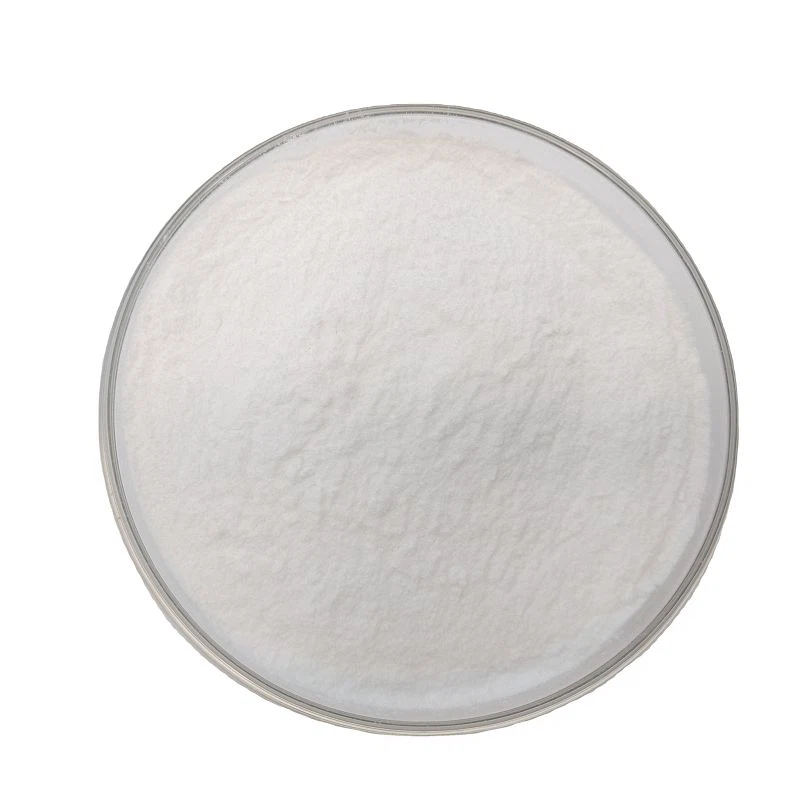
Dispersant NNO, also known as sodium methylene bis - naphthalene sulfonate, is a widely used anionic surfactant and dispersing agent. It is a brown powder or granular solid with good solubility in water. The key characteristics of dispersant NNO include its excellent dispersing ability, wetting ability, and anti - settling properties.
The molecular structure of dispersant NNO contains multiple sulfonic acid groups and naphthalene rings. These sulfonic acid groups can dissociate in water to form negatively charged ions, which adsorb onto the surface of particles, creating an electrostatic repulsion between the particles. This electrostatic repulsion helps to prevent the particles from aggregating and keeps them uniformly dispersed in the liquid medium.
Potential Applications of Dispersant NNO in Paint Production
Pigment Dispersion
One of the most critical steps in paint production is the dispersion of pigments. Pigments are insoluble particles that need to be evenly distributed in the paint matrix to achieve consistent color, opacity, and other performance properties. Dispersant NNO can play a vital role in this process.
When added to the paint formulation, dispersant NNO adsorbs onto the surface of pigment particles. The negative charges on the dispersant molecules create a repulsive force between the pigment particles, preventing them from flocculating or agglomerating. This results in a more stable and uniform dispersion of pigments, which in turn improves the color development, gloss, and hiding power of the paint.
For example, in the production of water - based paints, where the dispersion of pigments is often more challenging due to the polar nature of water, dispersant NNO can effectively reduce the surface tension between the pigment and the water phase. It helps the water to wet the pigment particles more easily, allowing for better dispersion and a more stable paint system.
Rheology Modification
Dispersant NNO can also have an impact on the rheological properties of paints. Rheology refers to the study of the flow and deformation of materials. In paint production, controlling the rheology is crucial for achieving proper application properties, such as brushability, sprayability, and leveling.

By dispersing the particles in the paint more effectively, dispersant NNO can influence the viscosity and flow behavior of the paint. In some cases, it can reduce the viscosity of the paint at high shear rates, making it easier to apply, while maintaining a higher viscosity at low shear rates to prevent sagging and settling. This thixotropic behavior is highly desirable in many paint applications.
Stability Improvement
Another advantage of using dispersant NNO in paint production is its ability to improve the stability of the paint over time. Aggregation and sedimentation of particles can occur during storage, leading to a non - uniform product and reduced performance.
The dispersing action of dispersant NNO helps to keep the particles in suspension, preventing them from settling to the bottom of the container. This ensures that the paint remains homogeneous and maintains its performance properties throughout its shelf life.
Factors to Consider When Using Dispersant NNO in Paint Production
Compatibility with Other Ingredients
Paints are complex formulations that contain multiple ingredients, including resins, solvents, pigments, and additives. It is essential to ensure that dispersant NNO is compatible with all the other components in the paint.
Some resins or additives may interact with dispersant NNO, leading to unwanted chemical reactions or changes in the physical properties of the paint. For example, certain cationic additives may react with the anionic dispersant NNO, causing flocculation or precipitation. Therefore, thorough compatibility testing should be conducted before incorporating dispersant NNO into a new paint formulation.
Dosage
The dosage of dispersant NNO is a critical factor that can significantly affect the performance of the paint. Using too little dispersant may not achieve the desired dispersion effect, while using too much can lead to issues such as increased foaming, reduced gloss, and changes in the drying time of the paint.
The optimal dosage of dispersant NNO depends on various factors, such as the type and amount of pigments, the nature of the resin, and the desired properties of the paint. It is usually determined through a series of experiments and trials.
Environmental and Regulatory Considerations
In recent years, there has been increasing attention on environmental and regulatory issues in the paint industry. Dispersant NNO should comply with relevant environmental regulations and standards.
Some countries and regions have restrictions on the use of certain chemicals in paints, especially those that may pose a risk to human health or the environment. As a supplier, we ensure that our dispersant NNO meets all the necessary regulatory requirements and provide relevant documentation to our customers.
Comparison with Other Dispersants
In the paint industry, there are various types of dispersants available, such as Sodium Dodecyl Benzene Sulfonate and Penetrant BX. Each type of dispersant has its own unique properties and advantages.
Sodium Dodecyl Benzene Sulfonate is a common anionic surfactant that is widely used for its good emulsifying and dispersing properties. It is relatively inexpensive and has a wide range of applications. However, compared to dispersant NNO, it may have a lower affinity for certain types of pigments and may not provide the same level of long - term stability in some paint formulations.
Penetrant BX is mainly used for its excellent wetting and penetrating properties. It can help the paint to spread more easily on the substrate. But when it comes to pigment dispersion, dispersant NNO may be more effective due to its stronger electrostatic repulsion mechanism.
Conclusion
In conclusion, dispersant NNO can be a valuable additive in the production of paints. Its excellent dispersing, wetting, and anti - settling properties make it suitable for pigment dispersion, rheology modification, and stability improvement. However, careful consideration should be given to factors such as compatibility with other ingredients, dosage, and environmental regulations.
As a reliable supplier of dispersant NNO, we have extensive experience in providing high - quality products to the paint industry. Our dispersant NNO is produced under strict quality control measures to ensure consistent performance. If you are interested in using dispersant NNO in your paint production or have any questions about our products, please feel free to contact us for further discussion and procurement negotiation. We are committed to providing you with the best solutions and support.
References
- "Surfactants in Paint and Coating Technology" - A comprehensive book on the role of surfactants in the paint industry.
- Journal articles on pigment dispersion and paint rheology, which provide in - depth research on the performance of dispersants in paint formulations.