

Leather buffing is a crucial step in the leather manufacturing process, designed to enhance the leather's appearance, texture, and overall quality. Various leather chemicals are employed during this process to achieve the desired results. As a reputable leather chemicals supplier, I have in - depth knowledge of the specific chemicals used for buffing leather and their functions.
Understanding the Leather Buffing Process
Before delving into the chemicals, it's essential to understand the buffing process. Buffing is done to smooth the surface of the leather, remove any rough edges or imperfections, and create a soft, velvety finish. This process can be applied to different types of leather, including full - grain, top - grain, and corrected - grain leather. The selection of chemicals depends on the type of leather, the desired finish, and the specific requirements of the manufacturing process.
Key Leather Chemicals for Buffing
1. Dispersants
Dispersants play a vital role in the buffing process. They are used to break down and disperse various substances within the leather and the buffing agents. For instance, they can help in dispersing pigments, dyes, and fillers evenly throughout the leather.
One of the most commonly used dispersants in the leather industry is Dispersant NNO CAS 9084 - 06 - 4. This dispersant is highly effective in preventing the agglomeration of particles, ensuring that the buffing agents are well - distributed. It has excellent wetting properties, which allow it to penetrate the leather fibers easily and improve the overall uniformity of the finish.
Another option is Dispersing Agent NNO Sodium Naphthalene Sulfonate TAMOL NN9401 CAS NO9084 - 06 - 4. This chemical is known for its ability to disperse a wide range of substances in water - based systems. In the context of leather buffing, it can be used in formulations that aim to create a smooth and consistent surface on the leather. Its compatibility with other chemicals makes it a popular choice among leather manufacturers.
Dispersant NNO CAS NO 9084 - 06 - 4 also offers similar benefits. It can enhance the stability of the buffing mixture by keeping the particles in suspension. This is particularly important during the buffing process, as it ensures that the leather is evenly treated and that there are no clumps or uneven patches on the surface.
2. Lubricants
Lubricants are used to reduce friction between the buffing tools and the leather surface. This not only helps in achieving a smoother finish but also prevents damage to the leather during the buffing process. There are several types of lubricants available, including natural oils and synthetic lubricants.
Natural oils, such as neatsfoot oil and lanolin, have been used in the leather industry for a long time. They are gentle on the leather and can also condition the fibers, making the leather more supple. Synthetic lubricants, on the other hand, offer better control over the lubricating properties. They can be formulated to have specific viscosities and performance characteristics, depending on the requirements of the buffing process.
3. Fillers
Fillers are added to the leather during buffing to improve its thickness, density, and overall appearance. They can be used to fill in small pores and imperfections on the leather surface, creating a more uniform finish. Common fillers include clays, starches, and synthetic polymers.
Clays are often preferred because they are inexpensive and can be easily incorporated into the leather. They can also improve the leather's ability to hold dyes and pigments, enhancing the colorfastness of the final product. Starches are another option, especially for natural - looking finishes. They are biodegradable and can add a natural sheen to the leather. Synthetic polymers, such as polyurethanes, offer excellent durability and can provide a high - gloss finish.
4. Pigments and Dyes
Pigments and dyes are used to color the leather during the buffing process. Pigments are solid particles that are dispersed in a binder to create a colorant. They offer excellent opacity and colorfastness, making them suitable for achieving bold and intense colors. Dyes, on the other hand, are dissolved in a liquid carrier and penetrate the leather fibers, resulting in a more translucent and natural - looking color.
The choice between pigments and dyes depends on the desired aesthetic effect. Pigments are often used for applications where a highly saturated color is required, such as for fashion leather goods. Dyes are more commonly used for products that require a more subtle and natural appearance, such as furniture leather.
Factors Affecting the Choice of Leather Chemicals for Buffing
1. Leather Type
Different types of leather have different characteristics and require specific chemicals for buffing. For example, full - grain leather is the highest quality leather and has a natural grain pattern. It may require milder chemicals to preserve its natural appearance. Top - grain leather, which has a slightly smoother surface, may be more flexible in terms of the types of chemicals that can be used. Corrected - grain leather, which has been artificially treated to correct its surface, may need more aggressive chemicals to achieve the desired finish.
2. Desired Finish
The desired finish also plays a significant role in the selection of chemicals. A smooth, high - gloss finish may require the use of specific lubricants and pigments, while a matte finish may call for different fillers and dyes. The texture of the finish, whether it is soft and velvety or firm and smooth, also influences the choice of chemicals.
3. Environmental Considerations
In recent years, there has been an increasing focus on environmental sustainability in the leather industry. As a result, many leather manufacturers are looking for chemicals that are eco - friendly. This includes using biodegradable lubricants, water - based dyes, and non - toxic dispersants. As a leather chemicals supplier, we are committed to providing environmentally friendly options to our customers.
Our Role as a Leather Chemicals Supplier
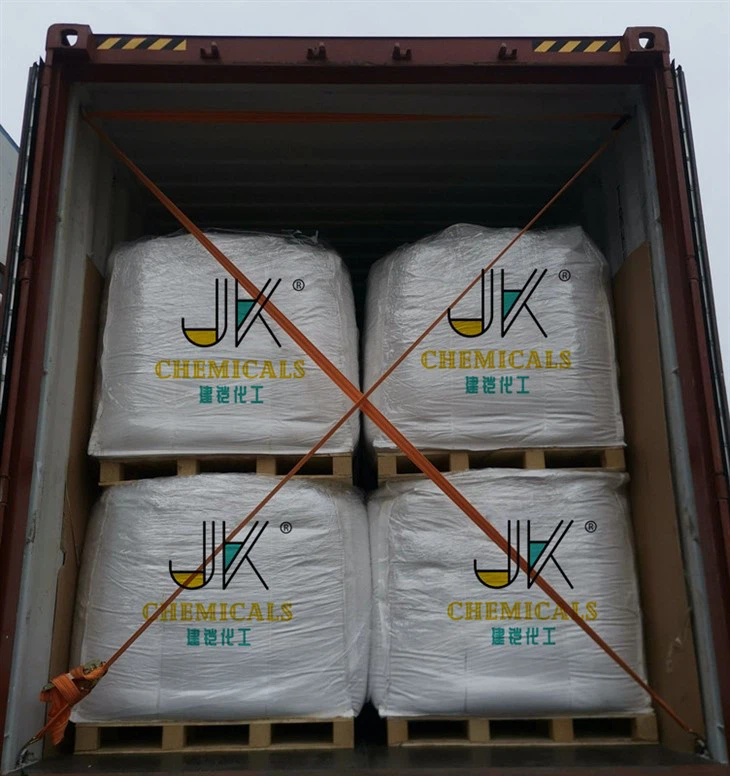
As a leather chemicals supplier, we understand the complex requirements of the leather buffing process. We offer a wide range of high - quality chemicals, including the dispersants mentioned above, as well as lubricants, fillers, pigments, and dyes. Our products are carefully formulated to meet the specific needs of different leather types and desired finishes.
We also provide technical support to our customers. Our team of experts can help leather manufacturers select the most appropriate chemicals for their buffing processes, ensuring optimal results. We believe in building long - term partnerships with our customers, and we are dedicated to providing them with the best possible products and services.
Concluding Thoughts and Call to Action
In conclusion, the choice of leather chemicals for buffing is crucial to achieving high - quality leather products. The right combination of dispersants, lubricants, fillers, pigments, and dyes can enhance the appearance, texture, and durability of the leather.
If you are a leather manufacturer looking for reliable leather chemicals for your buffing process, we would love to hear from you. Our extensive product range and technical expertise make us the ideal partner for your leather chemical needs. Contact us today to start a conversation about your specific requirements and to explore how our products can improve your leather manufacturing process. We look forward to assisting you in achieving the finest leather products.
References
- "Leather Technology: Science and Production" by John Attenburrow
- "Handbook of Leather Manufacturing Technology" by Covington, D. W.
- Industry reports on leather chemical applications in the leather manufacturing process.