

As a supplier of Dispersant NNO, I often encounter inquiries regarding its molecular weight. Understanding the molecular weight of a chemical compound is crucial, as it influences various properties and applications. In this blog post, I will delve into the molecular weight of Dispersant NNO, its significance, and how it relates to its performance in different industries.
What is Dispersant NNO?
Dispersant NNO, also known as sodium methylene bis - naphthalene sulfonate, is an anionic surfactant and dispersing agent. It is widely used in various industries, including textiles, dyes, pigments, and pesticides. Its primary function is to disperse solid particles in a liquid medium, preventing them from agglomerating and settling. This ensures a stable suspension, which is essential for consistent product quality and performance.
Molecular Weight of Dispersant NNO
The molecular formula of Dispersant NNO is C₂₁H₁₄Na₂O₆S₂. To calculate its molecular weight, we need to consider the atomic weights of each element in the formula. The atomic weights are as follows:
- Carbon (C): 12.01 g/mol
- Hydrogen (H): 1.008 g/mol
- Sodium (Na): 22.99 g/mol
- Oxygen (O): 16.00 g/mol
- Sulfur (S): 32.07 g/mol
Let's calculate the molecular weight step - by - step:
- For carbon: There are 21 carbon atoms, so the total mass contribution from carbon is 21×12.01 = 252.21 g/mol
- For hydrogen: There are 14 hydrogen atoms, so the total mass contribution from hydrogen is 14×1.008 = 14.112 g/mol
- For sodium: There are 2 sodium atoms, so the total mass contribution from sodium is 2×22.99 = 45.98 g/mol
- For oxygen: There are 6 oxygen atoms, so the total mass contribution from oxygen is 6×16.00 = 96.00 g/mol
- For sulfur: There are 2 sulfur atoms, so the total mass contribution from sulfur is 2×32.07 = 64.14 g/mol
The molecular weight of Dispersant NNO is the sum of these contributions:
252.21 + 14.112+45.98 + 96.00+64.14 = 472.442 g/mol
Significance of Molecular Weight
The molecular weight of Dispersant NNO plays a vital role in its dispersing ability. A higher molecular weight generally means a larger molecule. Larger molecules can form more effective steric barriers around the particles to be dispersed. This prevents the particles from coming close enough to each other to agglomerate.

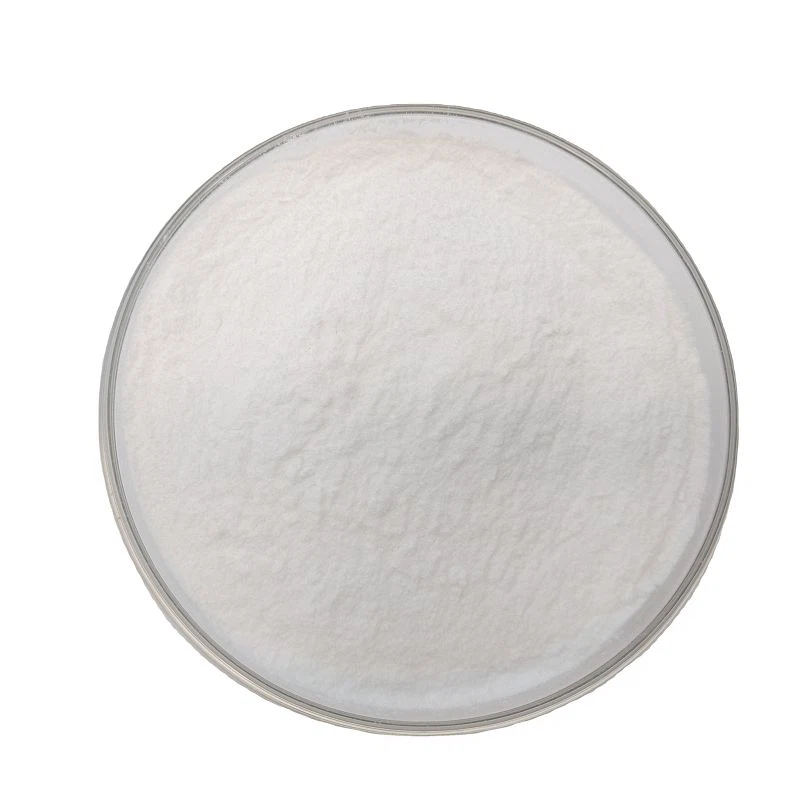
In the textile industry, for example, when using Dispersant NNO to disperse dyes, the appropriate molecular weight ensures that the dye particles are evenly distributed in the dye bath. This results in uniform dyeing of the fabric, reducing color variations and improving the overall quality of the textile products.
In the pigment industry, the molecular weight affects the rheological properties of the pigment dispersion. A well - dispersed pigment with the right molecular weight of dispersant can have better flow characteristics, which is important for applications such as paint and ink production.
Comparison with Other Chemicals
When comparing Dispersant NNO with other dispersing agents in the market, its molecular weight gives it unique advantages. For instance, Sodium Dodecyl Benzene Sulfonate has a lower molecular weight compared to Dispersant NNO. While Sodium Dodecyl Benzene Sulfonate is also an effective surfactant, Dispersant NNO's larger molecule can provide better long - term stability for particle dispersion.
Another chemical, Penetrant BX, has a different molecular structure and weight. Penetrant BX is mainly used for its penetration ability in the textile industry, while Dispersant NNO focuses more on dispersing solid particles.
Applications in Different Industries
- Textile Industry: As mentioned earlier, Dispersant NNO is used in dyeing processes. It helps to disperse disperse dyes, vat dyes, and reactive dyes. The appropriate molecular weight ensures that the dyes are well - dispersed, leading to better color fastness and more even dyeing results.
- Pigment Industry: In the production of pigments for paints, inks, and plastics, Dispersant NNO is used to disperse inorganic and organic pigments. The molecular weight of Dispersant NNO helps to control the particle size distribution of the pigments, improving the gloss and color strength of the final products.
- Pesticide Industry: Dispersant NNO is used to disperse pesticide active ingredients in formulations. A well - dispersed pesticide formulation ensures better efficacy, as the active ingredients can be more evenly distributed in the spray solution and adhere better to the target surfaces.
Quality Control and Molecular Weight
As a supplier of Dispersant NNO, we pay close attention to the molecular weight during the production process. Quality control measures are in place to ensure that the molecular weight of our Dispersant NNO is within the specified range. This is achieved through advanced analytical techniques such as gel permeation chromatography (GPC), which can accurately measure the molecular weight distribution of the dispersant.
By maintaining a consistent molecular weight, we can guarantee the quality and performance of our Dispersant NNO. This is crucial for our customers, as they rely on the dispersant to achieve the desired results in their own production processes.
Conclusion
In conclusion, the molecular weight of Dispersant NNO, which is approximately 472.442 g/mol, is a key factor in its dispersing performance. It affects the ability of the dispersant to prevent particle agglomeration, and has a significant impact on the quality of products in various industries such as textiles, pigments, and pesticides.
If you are looking for a reliable supplier of Dispersant NNO with consistent quality and the right molecular weight, we are here to meet your needs. Whether you are in the textile, pigment, or pesticide industry, our Dispersant NNO can provide you with excellent dispersing solutions. Contact us to discuss your specific requirements and start a procurement negotiation.
References
- "Surfactants in Industry" by D. Rosen
- "Textile Chemical Processing" by S. Burkinshaw
- "Pigment Technology Handbook" by T. Patton