

Hey there, ceramic enthusiasts! As a dispersant NNO supplier, I'm super excited to chat with you about the impact of this nifty chemical on ceramic molding. You might be wondering, "What on earth is dispersant NNO, and how does it affect my ceramic projects?" Well, stick around, and I'll break it all down for you.
First off, let's talk a bit about what dispersant NNO is. It's short for sodium naphthalene sulfonate formaldehyde condensate. It's one of those substances that plays a pretty important role in the ceramic industry. Think of it as a helper that makes things easier at every step of the ceramic molding process.
Improving Slurry Dispersion
One of the main jobs of dispersant NNO is to improve the dispersion of ceramic slurries. In ceramic production, slurries are a mixture of ceramic powders and water. When you're making ceramics, you want this slurry to be as evenly mixed as possible. Why? Because a well - dispersed slurry means better quality ceramic products.
Without a dispersant like NNO, ceramic particles in the slurry tend to clump together. These clumps can cause all sorts of problems during the molding process. The clumps can lead to uneven density in the ceramic, which might result in cracks or a rough surface finish in the final product.
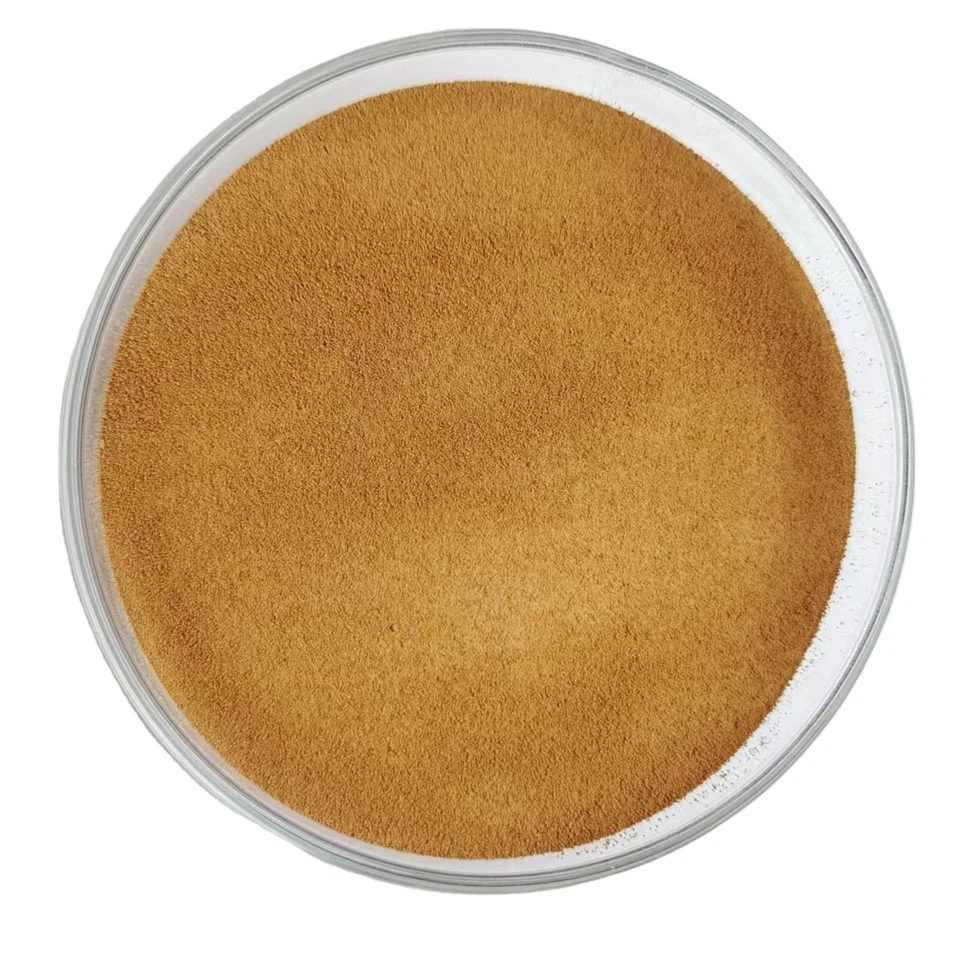
When you add dispersant NNO to the slurry, it acts like a mediator among the particles. It has a special molecular structure that attaches to the ceramic particles and creates a repulsive force between them. This repulsive force keeps the particles evenly spread out in the slurry. You can get more info about our high - quality dispersant NNO at High Purity Dispersant NNO/Sodium Polynaphthalene Sulfonate.
The improved dispersion of the slurry also has another benefit. It reduces the viscosity of the slurry. Lower viscosity means the slurry flows more easily. This is a huge advantage during molding processes like slip casting. In slip casting, the slurry is poured into a mold, and it needs to fill every nook and cranny of the mold. A lower - viscosity slurry made possible by dispersant NNO can do this much more effectively, resulting in detailed and accurate ceramic shapes.
Enhancing Green Strength
Green strength refers to the strength of the ceramic body before it's fired. It's crucial because the ceramic body needs to hold its shape during the handling and drying processes. Dispersant NNO can have a positive impact on the green strength of ceramics.
When the ceramic particles are well - dispersed in the slurry, they can pack together more tightly during the molding process. This tight packing leads to a more cohesive green body. The green body is less likely to deform or crack when it's being moved around or when it's drying.
Imagine you're making a large ceramic vase. If the green body doesn't have enough strength, it might start to sag under its own weight before it's fired. But with the help of dispersant NNO, the green body can maintain its shape, allowing you to create larger and more complex ceramic pieces.
Reducing Defects in the Final Product
I touched on this a bit earlier, but it's worth emphasizing. Dispersant NNO helps in reducing defects in the final ceramic product. By preventing particle agglomeration in the slurry, it eliminates the problems associated with uneven density.
Cracks are a common problem in ceramic products, and they can be a real headache for ceramic artists and manufacturers. These cracks can occur due to uneven drying, which is often caused by clumps in the slurry. Since dispersant NNO keeps the particles evenly dispersed, the drying process is more uniform, reducing the risk of cracks.
Surface roughness is another defect that can be minimized with the use of dispersant NNO. When the slurry is well - dispersed, the ceramic body has a smoother surface, which translates to a better - looking final product. Whether you're making decorative ceramic items or functional ones like tiles, a smooth surface is always a plus.
Interaction with Other Additives
In ceramic production, it's common to use other additives along with dispersant NNO. For example, Penetrant BX is sometimes used to improve the wetting of the ceramic powders. The good news is that dispersant NNO can work well in conjunction with other additives.
It doesn't cause any negative reactions with most common additives. Instead, it can enhance their effects. For instance, when used with a penetrant, dispersant NNO can help the penetrant to work more effectively by ensuring that the particles are well - separated. This allows the penetrant to reach all the particles in the slurry, improving the overall quality of the ceramic body.
Cost - Effectiveness
As a supplier, I know that cost is always a concern for my customers. The good thing about dispersant NNO is that it's a cost - effective solution for ceramic molding. You don't need to use a large amount of it to see significant results.
Since it improves the quality of the ceramic product and reduces the number of defective pieces, it can actually save you money in the long run. You'll have less waste and fewer resources spent on fixing or discarding faulty products. So, it's not just a chemical that helps in the production process; it's also a smart investment for your ceramic business.
Conclusion and Call to Action
In conclusion, dispersant NNO has a wide range of positive impacts on ceramic molding. It improves slurry dispersion, enhances green strength, reduces defects in the final product, works well with other additives, and is cost - effective. If you're in the ceramic industry, I highly recommend giving our Sodium Naphthalene Sulfonate Formaldeyde SNSF a try.
If you're interested in learning more about our dispersant NNO or purchasing it for your ceramic production, don't hesitate to get in touch. We'd be more than happy to discuss your specific needs and how our products can help you achieve the best results in your ceramic molding processes.
References
- Some basic ceramic materials science textbooks for the general knowledge of ceramic production.
- Industry reports on the use of additives in ceramic manufacturing.
- Internal research and testing data from our company on the effects of dispersant NNO in ceramic slurries.