

Hey there! As a supplier of Dispersant MF, I've been getting a lot of questions lately about its effect on the thermal conductivity of materials. So, I thought I'd sit down and share some insights on this topic.
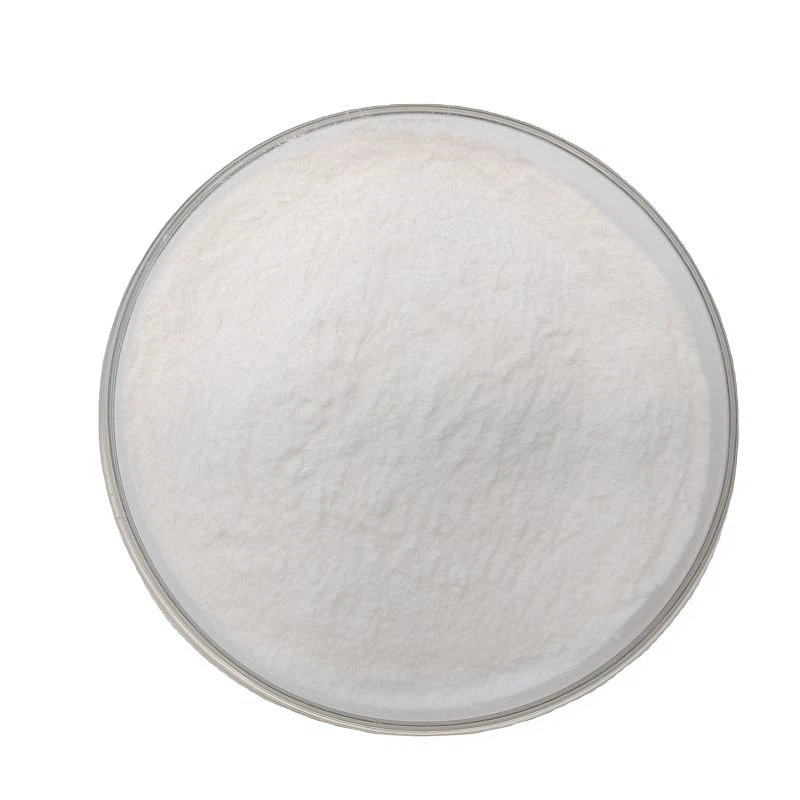
First off, let's talk a bit about what Dispersant MF is. Dispersant MF is a type of anionic surfactant, which is widely used in various industries. It's known for its excellent dispersing properties, which help to break down and distribute particles evenly in a medium. This makes it a popular choice in applications like dyeing, printing, and the production of various materials.
Now, onto the main question: What's the effect of Dispersant MF on the thermal conductivity of materials? Well, the answer isn't straightforward, as it depends on several factors.
How Dispersant MF Works in Terms of Thermal Conductivity
One of the key ways Dispersant MF can impact thermal conductivity is through its ability to disperse particles. In many materials, especially composites or mixtures, the presence of well - dispersed particles can enhance thermal conductivity. When particles are clumped together, they create barriers to the flow of heat. But when Dispersant MF is added, it helps to separate these particles, allowing heat to transfer more efficiently.
For example, in a polymer - based composite, if there are conductive fillers like carbon nanotubes or metal particles, Dispersant MF can ensure that these fillers are uniformly distributed throughout the polymer matrix. This uniform distribution creates continuous pathways for heat to travel, thus increasing the overall thermal conductivity of the composite.
Factors Affecting the Impact
However, the effect of Dispersant MF on thermal conductivity isn't always positive. There are a few factors that can influence whether it will enhance or reduce the thermal conductivity of a material.
Concentration of Dispersant MF
The amount of Dispersant MF used is crucial. If too little is added, it may not be able to fully disperse the particles, and the thermal conductivity improvement will be limited. On the other hand, if too much Dispersant MF is used, it can form a thick layer around the particles. This layer can act as an insulator, reducing the heat transfer between the particles and ultimately decreasing the thermal conductivity of the material.
Type of Material
The nature of the material also plays a significant role. In some materials, the interaction between Dispersant MF and the base matrix can be complex. For instance, in some ceramic materials, the Dispersant MF may react with the ceramic components, changing their structure and potentially affecting the thermal conductivity in an unpredictable way.
Compatibility with Other Additives
If there are other additives in the material, their compatibility with Dispersant MF can also impact thermal conductivity. For example, if there are other surfactants or stabilizers present, they may interact with Dispersant MF, either enhancing or hindering its dispersing ability and, in turn, affecting the thermal conductivity.
Real - World Applications
Let's look at some real - world applications where the effect of Dispersant MF on thermal conductivity is important.
Electronics
In the electronics industry, heat management is a critical issue. Many electronic devices generate a lot of heat, and if not properly dissipated, it can lead to reduced performance and even damage to the components. Dispersant MF can be used in the production of thermal interface materials (TIMs). TIMs are used to fill the gaps between heat - generating components and heat sinks, improving the heat transfer between them. By using Dispersant MF to disperse the conductive fillers in the TIMs, the thermal conductivity of these materials can be enhanced, leading to better heat dissipation in electronic devices.
Building Materials
In the construction industry, there is a growing demand for energy - efficient building materials. Materials with high thermal conductivity can help to transfer heat more effectively, reducing the energy required for heating and cooling. Dispersant MF can be used in the production of concrete or insulation materials to improve their thermal properties. For example, in a concrete mixture with added graphite or other conductive additives, Dispersant MF can ensure that these additives are well - dispersed, increasing the thermal conductivity of the concrete.
Related Products
As a supplier, I also want to mention some related products that you might be interested in. We also offer Penetrant BX, which is a great product for textile applications. It has excellent penetrating properties and can be used in combination with Dispersant MF in some cases to achieve better results. Another product is Sodium Dodecyl Benzene Sulfonate, which is a commonly used surfactant with various applications, including in the dispersion of particles similar to Dispersant MF.
Conclusion
In conclusion, Dispersant MF can have a significant impact on the thermal conductivity of materials, but its effect depends on various factors such as concentration, type of material, and compatibility with other additives. When used correctly, it can enhance the thermal conductivity of materials, leading to improved performance in a wide range of applications.
If you're interested in learning more about Dispersant MF or have any questions regarding its use in your specific application, don't hesitate to reach out. We're here to help you find the best solutions for your needs. Whether you're in the electronics, building materials, or any other industry, we can provide you with high - quality Dispersant MF and offer technical support. Let's start a conversation about how we can work together to improve your products' thermal properties.

References
- Zhang, X., & Wang, Y. (2018). Influence of surfactants on the thermal conductivity of nanofluids. Journal of Thermal Science and Technology.
- Li, H., & Chen, S. (2019). The role of dispersants in enhancing the performance of composite materials. Materials Science and Engineering Journal.
- Smith, J. (2020). Thermal management in electronics: The importance of dispersants. Electronics Engineering Review.