

As a supplier of Sodium Dodecyl Benzene Sulfonate, I've had numerous discussions with clients about its various applications, from household detergents to industrial cleaning agents. While it's a highly effective surfactant with a wide range of uses, it's crucial to address the potential health risks associated with inhaling this chemical.
Understanding Sodium Dodecyl Benzene Sulfonate
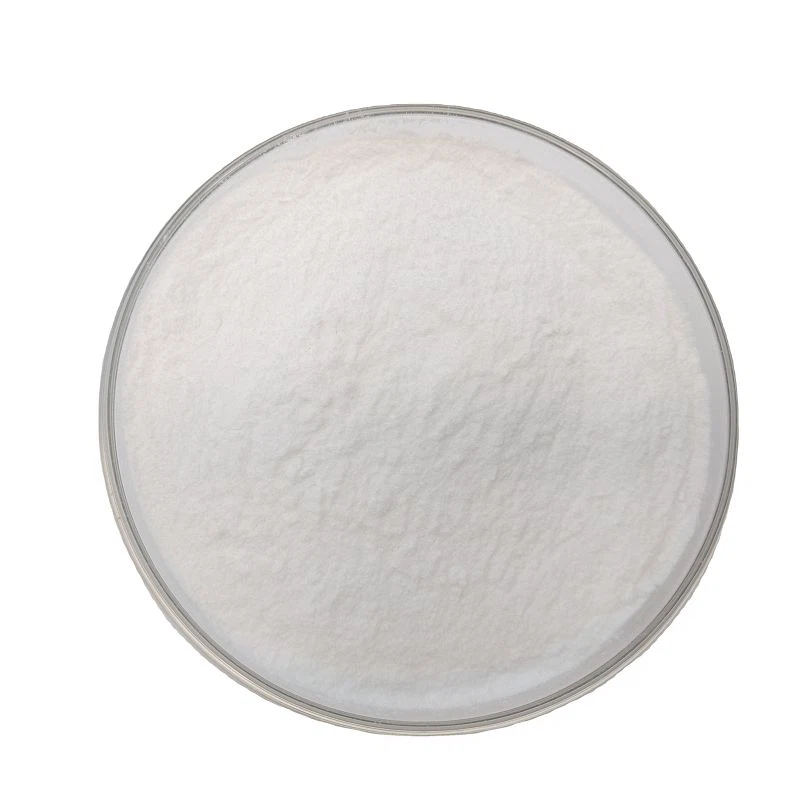
Sodium Dodecyl Benzene Sulfonate, often abbreviated as SDBS, is an anionic surfactant that has been widely used in the detergent industry for decades. It's known for its excellent cleaning properties, high foaming ability, and relatively low cost. You can find more detailed information about Sodium Dodecyl Benzene Sulfonate on our website.
Potential Health Risks of Inhalation
Respiratory Irritation
One of the most immediate risks of inhaling SDBS is respiratory irritation. When SDBS particles are inhaled, they can come into contact with the delicate tissues of the respiratory tract, including the nose, throat, and lungs. This can cause symptoms such as coughing, wheezing, shortness of breath, and irritation of the nasal passages. Prolonged or repeated exposure to high concentrations of SDBS dust or aerosols may even lead to more severe respiratory conditions, such as bronchitis or asthma.
Allergic Reactions
Some individuals may be allergic to SDBS. Inhalation of the chemical can trigger an allergic response, which can range from mild symptoms like itching, redness, and swelling of the skin and mucous membranes to more severe anaphylactic reactions. Anaphylaxis is a life - threatening condition that requires immediate medical attention and can cause symptoms such as difficulty breathing, a drop in blood pressure, and loss of consciousness.
Lung Damage
Long - term exposure to SDBS through inhalation may cause damage to the lung tissue. Studies have shown that chronic exposure to certain surfactants, including SDBS, can lead to the development of pulmonary fibrosis, a condition in which the lung tissue becomes scarred and stiff. This reduces the lungs' ability to expand and contract properly, leading to decreased lung function and difficulty breathing.
Systemic Effects
In addition to its effects on the respiratory system, inhalation of SDBS may also have systemic effects on the body. Once absorbed into the bloodstream through the lungs, SDBS can potentially affect other organs and systems. For example, it may interfere with the normal functioning of the liver and kidneys, which are responsible for filtering and detoxifying the body. Some research has also suggested a possible link between SDBS exposure and endocrine disruption, although more studies are needed to confirm this.
Occupational Exposure
Workers in industries where SDBS is produced, handled, or used are at a higher risk of inhaling the chemical. For example, in detergent manufacturing plants, textile mills, and industrial cleaning facilities, employees may be exposed to SDBS dust or aerosols during the production, packaging, or application processes. Employers in these industries should take appropriate measures to protect their workers, such as providing personal protective equipment (PPE) like respirators, ensuring proper ventilation in the workplace, and implementing safety training programs.
Consumer Exposure
Consumers may also be exposed to SDBS through the use of household cleaning products that contain the chemical. When using these products, especially in poorly ventilated areas, there is a risk of inhaling SDBS aerosols. To minimize this risk, consumers should always follow the product instructions carefully, use the products in well - ventilated areas, and avoid spraying or agitating the products in a way that generates excessive dust or aerosols.
Safety Measures
As a supplier, we are committed to providing our customers with information on the safe handling and use of Sodium Dodecyl Benzene Sulfonate. Here are some safety measures that can be taken to reduce the risk of inhalation exposure:
- Proper Ventilation: Ensure that work areas or spaces where SDBS is used are well - ventilated. This can be achieved through natural ventilation, such as opening windows and doors, or by using mechanical ventilation systems.
- Personal Protective Equipment: Wear appropriate PPE, such as respirators, gloves, and goggles, when handling SDBS. Respirators should be selected based on the type and concentration of the SDBS exposure.
- Safe Storage and Handling: Store SDBS in a cool, dry place, and keep the containers tightly sealed. When transferring or using the chemical, take care to prevent spills and the generation of dust or aerosols.
Our Product - Penetrant BX
We also offer Penetrant BX, which is another important product in our range. Penetrant BX is used in the textile industry for its excellent wetting and penetrating properties. While it has different chemical characteristics compared to SDBS, similar safety precautions should be taken when handling it to ensure the health and safety of workers and users.
Conclusion
Sodium Dodecyl Benzene Sulfonate is a valuable chemical with many useful applications. However, it's essential to be aware of the potential health risks associated with inhaling this chemical. By understanding these risks and taking appropriate safety measures, we can ensure the safe use of SDBS in both industrial and consumer settings.

If you are interested in purchasing Sodium Dodecyl Benzene Sulfonate or Penetrant BX, please feel free to contact us for more information and to start a procurement discussion. We are dedicated to providing high - quality products and excellent customer service.
References
- ATSDR (Agency for Toxic Substances and Disease Registry). Toxicological Profile for Surfactants.
- European Chemicals Agency (ECHA). Sodium Dodecyl Benzene Sulfonate - Classification and Labelling.
- National Institute for Occupational Safety and Health (NIOSH). NIOSH Pocket Guide to Chemical Hazards.