

As a supplier of Dispersant MF, I understand that while our product offers significant benefits in various industrial applications, it's crucial to address the potential health hazards associated with it. This blog aims to provide a comprehensive overview of these risks based on scientific research and industry knowledge.
Chemical Composition and Properties
Dispersant MF, also known as methylene bis - naphthalene sulfonate formaldehyde condensate, is a type of anionic surfactant. It is widely used in industries such as textile, construction, and dyeing due to its excellent dispersing, wetting, and emulsifying properties. The chemical structure of Dispersant MF consists of multiple naphthalene rings linked by methylene bridges and sulfonate groups, which give it unique physical and chemical characteristics.
Potential Health Hazards
Inhalation
One of the primary ways in which individuals can be exposed to Dispersant MF is through inhalation, especially in industrial settings where the product is being manufactured, handled, or used. When Dispersant MF is in a powdered or aerosolized form, fine particles can be released into the air. Inhaling these particles may cause irritation to the respiratory tract. Symptoms can range from mild coughing and sneezing to more severe respiratory distress, especially in individuals with pre - existing respiratory conditions such as asthma or chronic obstructive pulmonary disease (COPD).
According to a study published in the Journal of Occupational and Environmental Medicine, workers exposed to high levels of anionic surfactants similar to Dispersant MF in the workplace reported increased incidences of respiratory symptoms. Prolonged or repeated inhalation exposure may also lead to the development of occupational asthma over time.
Skin Contact
Direct skin contact with Dispersant MF can cause various skin problems. The anionic nature of the surfactant can disrupt the skin's natural lipid barrier, leading to dryness, redness, and itching. In some cases, it may even cause contact dermatitis, which is an inflammatory skin condition characterized by rashes, blisters, and swelling.
People with sensitive skin are particularly vulnerable to these effects. A research article in the International Journal of Dermatology found that individuals exposed to anionic surfactants through skin contact had a higher risk of developing skin irritations compared to those with minimal exposure. Moreover, repeated skin exposure can make the skin more susceptible to infections as the damaged skin barrier provides less protection against pathogens.
Eye Contact
If Dispersant MF comes into contact with the eyes, it can cause significant irritation and damage. The eyes are extremely sensitive organs, and the surfactant can cause redness, pain, and watering. In severe cases, it may lead to corneal abrasions or even more serious eye injuries, which can potentially affect vision.
Immediate first - aid measures for eye contact with Dispersant MF include flushing the eyes with plenty of clean water for at least 15 minutes and seeking medical attention promptly. A study in the Journal of Ophthalmology emphasized the importance of rapid and thorough eye irrigation in cases of chemical eye exposure to prevent long - term damage.
Ingestion
Although accidental ingestion of Dispersant MF is less common, it can still pose a serious health risk. If swallowed, the surfactant can cause irritation and damage to the gastrointestinal tract. Symptoms may include nausea, vomiting, abdominal pain, and diarrhea. In severe cases, ingestion can lead to more serious complications such as internal bleeding or perforation of the digestive organs.
Medical treatment for ingestion of Dispersant MF typically involves inducing vomiting (under medical supervision) or administering activated charcoal to absorb the chemical and prevent further absorption into the bloodstream. A review in the Journal of Toxicology and Clinical Toxicology highlighted the importance of early medical intervention in cases of chemical ingestion.
Comparison with Similar Chemicals
To put the potential health hazards of Dispersant MF into perspective, it's useful to compare it with other similar chemicals commonly used in the same industries. For example, Sodium Dodecyl Benzene Sulfonate is another anionic surfactant widely used in detergents and textile processing. Like Dispersant MF, it can cause skin and eye irritation, as well as respiratory problems when inhaled. However, the specific chemical structure of Sodium Dodecyl Benzene Sulfonate may result in different levels of toxicity and irritation compared to Dispersant MF.
Another related chemical is Penetrant BX, which is also used in textile applications. Penetrant BX has its own set of potential health hazards, including skin and respiratory irritation. Understanding these differences can help industries make more informed decisions about which chemical to use based on the specific requirements of their processes and the associated health risks.
Safety Measures and Precautions
As a responsible supplier, I strongly advocate for the implementation of strict safety measures when handling Dispersant MF. In industrial settings, workers should be provided with appropriate personal protective equipment (PPE), such as respirators, gloves, goggles, and protective clothing. Adequate ventilation systems should be installed to minimize the concentration of airborne particles.
Regular training programs should be conducted to educate workers about the potential health hazards of Dispersant MF and the proper handling procedures. First - aid kits should be readily available in case of accidental exposure, and workers should be trained on how to use them effectively.
In addition, proper storage and disposal of Dispersant MF are essential. The product should be stored in a cool, dry place away from sources of heat and ignition. When disposing of Dispersant MF, it should be done in accordance with local environmental regulations to prevent contamination of soil and water sources.
Conclusion
While Dispersant MF is a valuable chemical in many industrial applications, it's important to be aware of its potential health hazards. By understanding the risks associated with inhalation, skin contact, eye contact, and ingestion, and by implementing appropriate safety measures, we can minimize the negative impact on human health.

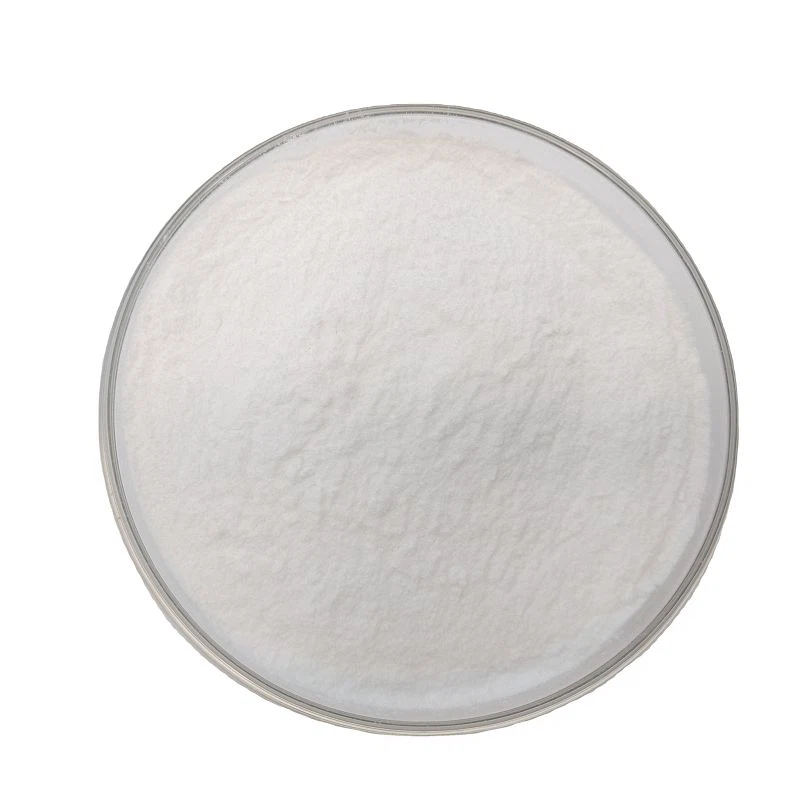
As a supplier, I am committed to providing high - quality Dispersant MF products while also ensuring the safety of our customers and end - users. If you are interested in purchasing Dispersant MF for your industrial needs, I encourage you to contact us for more information and to discuss your specific requirements. We can work together to find the best solutions for your business while keeping health and safety at the forefront.
References
- Journal of Occupational and Environmental Medicine
- International Journal of Dermatology
- Journal of Ophthalmology
- Journal of Toxicology and Clinical Toxicology