

As a supplier of Sodium Dodecyl Benzene Sulfonate (SDBS), I've spent a significant amount of time exploring its various aspects, including its impacts on air quality. In this blog, I'll delve into the science behind SDBS, its potential effects on the atmosphere, and how these factors relate to our role as a supplier.
Understanding Sodium Dodecyl Benzene Sulfonate
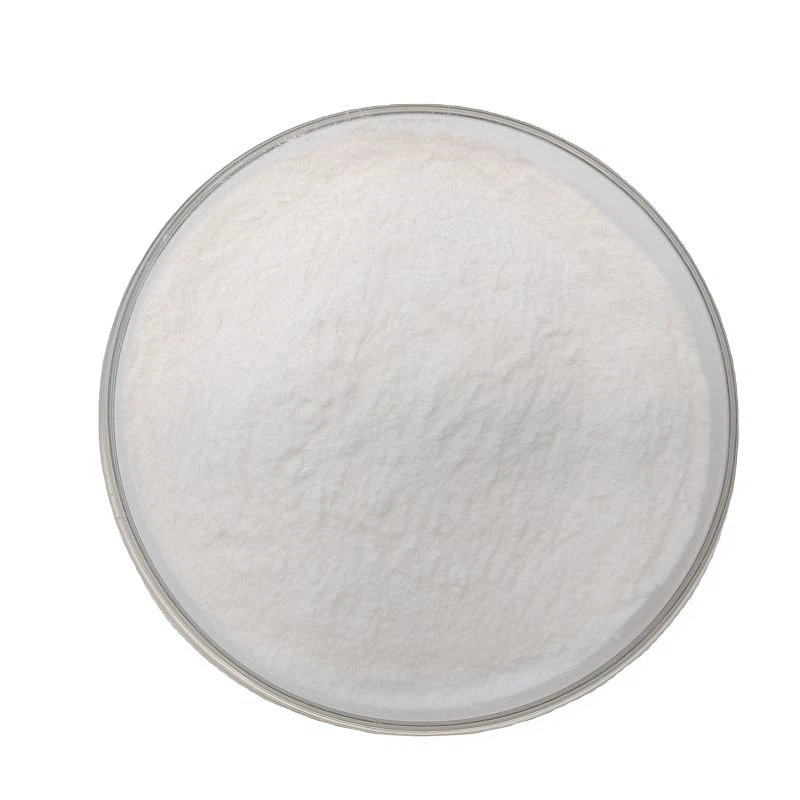
SDBS is an anionic surfactant widely used in numerous industrial and household applications. Its chemical formula is C₁₂H₂₅C₆H₄SO₃Na, and it's known for its excellent detergency, emulsifying properties, and foaming ability. Due to these characteristics, SDBS is a key ingredient in laundry detergents, dishwashing liquids, and many industrial cleaning products. You can find more detailed information about SDBS on our website Sodium Dodecyl Benzene Sulfonate.
Sources of SDBS in the Air
SDBS can enter the air through several pathways. One of the primary sources is the aerosolization during the use of cleaning products containing SDBS. When we spray or agitate these products, tiny droplets containing SDBS can be released into the air. In industrial settings, the production and handling of SDBS can also lead to its dispersion in the atmosphere. For example, during the manufacturing process, if proper ventilation and containment measures are not in place, SDBS dust or vapor can escape into the surrounding air.
Physical and Chemical Properties Affecting Air Quality
The physical and chemical properties of SDBS play a crucial role in determining its behavior in the air. SDBS is a relatively stable compound under normal environmental conditions. However, it can react with other atmospheric constituents. For instance, it can interact with oxidants such as ozone (O₃) and hydroxyl radicals (OH·). These reactions can lead to the formation of secondary pollutants.
The solubility of SDBS in water also affects its fate in the air. It can be incorporated into cloud droplets and participate in wet deposition processes. When it rains or snows, SDBS can be removed from the atmosphere along with the precipitation. Additionally, SDBS has a certain vapor pressure, which means it can exist in the gas phase to some extent. This gaseous SDBS can be transported over long distances by air currents.
Impact on Air Quality - Positive Aspects
While there are concerns about the potential negative impacts of SDBS on air quality, it also has some positive aspects. In cleaning applications, SDBS helps to remove dirt and pollutants from surfaces. By reducing the amount of particulate matter and other contaminants on surfaces, it indirectly contributes to improving indoor air quality. For example, in a household, using a SDBS - based detergent to clean floors and furniture can prevent the resuspension of dust and allergens into the air.
In industrial processes, SDBS can be used in air scrubbers and purification systems. It can act as an emulsifier to trap and remove other pollutants from industrial exhaust gases. This helps to reduce the emission of harmful substances into the atmosphere, thereby improving the overall air quality in the vicinity of industrial facilities.
Impact on Air Quality - Negative Aspects
One of the main concerns regarding SDBS and air quality is its potential to form aerosols. Aerosols containing SDBS can scatter and absorb light, which affects visibility. In urban areas with high levels of SDBS emissions from cleaning products and industrial activities, this can lead to hazy conditions.
Moreover, the chemical reactions of SDBS in the air can result in the formation of secondary organic aerosols (SOAs). SOAs are tiny particles that can have adverse health effects when inhaled. They can penetrate deep into the lungs and cause respiratory problems, especially for people with pre - existing conditions such as asthma and chronic obstructive pulmonary disease (COPD).
Another issue is the potential for SDBS to contribute to the formation of odors in the air. Although SDBS itself may not have a strong odor, its degradation products or the products of its reactions with other substances can emit unpleasant smells. This can be a nuisance for people living in areas with high SDBS concentrations in the air.
Mitigation Strategies
As a supplier of SDBS, we are committed to promoting the responsible use of this chemical to minimize its negative impacts on air quality. In the production process, we adhere to strict environmental regulations and implement advanced technologies to reduce emissions. We invest in high - efficiency ventilation systems and dust collection equipment to prevent the release of SDBS into the air during manufacturing.
For our customers, we provide guidelines on the proper use of SDBS - containing products. We recommend using these products in well - ventilated areas to minimize the inhalation of SDBS - containing aerosols. In addition, we are constantly researching and developing more environmentally friendly formulations of SDBS - based products. For example, we are working on reducing the amount of SDBS needed in cleaning products while maintaining their effectiveness.
Impact on Indoor Air Quality
Indoor air quality is also significantly affected by SDBS. In households and offices, the use of cleaning products with SDBS can lead to short - term increases in SDBS levels in the air. Prolonged exposure to high levels of SDBS in indoor air can cause irritation to the eyes, nose, and throat. People who are more sensitive to chemicals may experience allergic reactions.
To address this issue, we encourage the use of low - VOC (volatile organic compound) and eco - friendly SDBS - based cleaning products. These products are designed to minimize the release of harmful substances into the indoor air while still providing effective cleaning performance. We also recommend the use of air purifiers to remove SDBS and other pollutants from indoor air.
Long - Term Environmental Implications
In the long term, the continuous release of SDBS into the air can have broader environmental implications. The accumulation of SDBS in the atmosphere and its subsequent deposition on land and water bodies can affect ecosystems. For example, it can enter waterways through wet deposition and have an impact on aquatic life. SDBS can be toxic to some aquatic organisms, especially in high concentrations.
On land, the deposition of SDBS can affect soil quality and the growth of plants. It can alter the soil's physical and chemical properties, which may in turn affect the health of soil - dwelling organisms and the productivity of agricultural lands.
Our Role as a Supplier
As a supplier of SDBS, we understand our responsibility in ensuring that our product is used in an environmentally friendly and sustainable manner. We work closely with our customers to provide them with the necessary information and support to use SDBS safely. We offer training on proper handling and storage of SDBS to minimize its release into the air.
We are also actively involved in research and development to improve the environmental performance of SDBS. We are exploring new synthesis methods and formulations that reduce the environmental impact of SDBS. For example, we are looking into the use of renewable raw materials in the production of SDBS to make it more sustainable.
Related Products and Their Impact on Air Quality
In addition to SDBS, we also supply other related products such as Penetrant BX. Penetrant BX is often used in textile industries. Similar to SDBS, its use and production can have an impact on air quality. It can be released into the air during textile processing operations, and its chemical properties can also influence its behavior in the atmosphere. We ensure that all our products are produced and used in a way that minimizes their impact on air quality.
Conclusion
Sodium Dodecyl Benzene Sulfonate has a complex relationship with air quality. While it has some positive aspects in terms of cleaning and pollution control, there are also concerns about its potential negative impacts. As a supplier, we are dedicated to promoting the responsible use of SDBS and other related products. By implementing strict environmental management practices in production, providing customer education, and investing in research and development, we aim to minimize the adverse effects of SDBS on air quality.
If you are interested in learning more about our SDBS products or have any questions regarding their use and environmental impact, we welcome you to contact us for a procurement discussion. We are committed to providing high - quality products and solutions that meet your needs while also protecting the environment.

References
- Environmental Science and Technology Journal articles on surfactant - air interactions
- Industrial Hygiene and Safety Manuals related to SDBS production and handling
- Research reports on the impact of cleaning products on indoor air quality