

Hey there! As a supplier of sodium dodecyl benzene sulfonate, I often get asked about the ecological risks associated with this widely - used chemical. So, let's dive right in and have a chat about it.
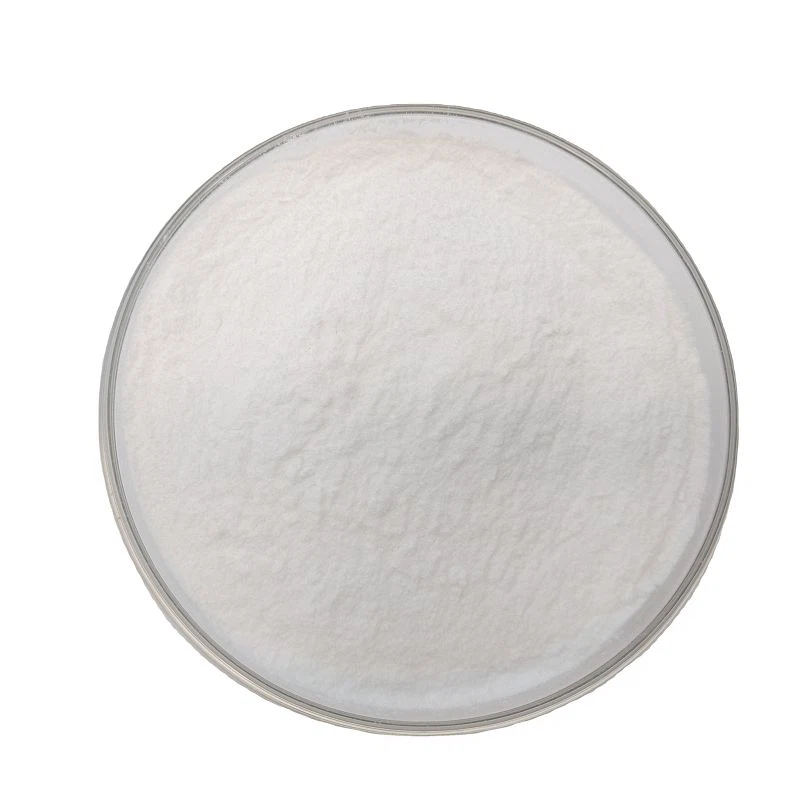

First off, what is sodium dodecyl benzene sulfonate? It's a common anionic surfactant that you can find in a ton of household and industrial products. You'll see it in laundry detergents, dishwashing liquids, and even some industrial cleaning agents. It's great at breaking down dirt and grease, which is why it's so popular. You can learn more about it on this page: Sodium Dodecyl Benzene Sulfonate.
Now, let's talk about the ecological risks. One of the main concerns is its impact on aquatic life. When sodium dodecyl benzene sulfonate gets into water bodies, it can be toxic to fish, invertebrates, and other aquatic organisms. Studies have shown that it can disrupt the cell membranes of these creatures. This disruption can lead to all sorts of problems, like reduced growth, impaired reproduction, and even death. For example, some small fish species are really sensitive to it. Even at low concentrations, their behavior can change. They might swim erratically or have trouble finding food, which can mess up the whole food chain in the water.
Another issue is its persistence in the environment. Sodium dodecyl benzene sulfonate doesn't break down easily in some conditions. In areas with low microbial activity, like cold or anaerobic environments, it can stick around for a long time. This means that it can keep having an impact on the ecosystem over an extended period. It can accumulate in sediment at the bottom of rivers, lakes, and oceans. And as it accumulates, it can be released back into the water slowly, causing continuous harm to the aquatic life.
It also has an effect on soil microorganisms. These little guys are super important for soil health. They help with nutrient cycling, decomposition of organic matter, and maintaining the soil structure. When sodium dodecyl benzene sulfonate seeps into the soil, it can inhibit the growth and activity of these microorganisms. This can lead to a decrease in soil fertility over time. For farmers, this is a big deal because it can affect crop growth and yield.
Now, you might be thinking, "Well, if it's so bad, why do we still use it?" The truth is, it's really effective and cost - efficient. It does an amazing job of cleaning, and it's relatively easy to produce. But as a supplier, we're aware of these risks, and we're always looking for ways to minimize them.
One way is through proper waste management. We encourage our customers to follow strict disposal guidelines. This means making sure that any wastewater containing sodium dodecyl benzene sulfonate is treated properly before it's released into the environment. There are treatment processes available that can break down the chemical to a safer level.
We're also looking into more eco - friendly alternatives. For example, Penetrant BX is a product that has some similar properties but might have a lower ecological impact. We're constantly researching and testing these alternatives to see if they can replace sodium dodecyl benzene sulfonate in some applications.
It's important to note that the ecological risks can vary depending on the concentration and the specific environment. In some well - aerated and warm water bodies with a high microbial population, the chemical can break down faster. So, it's not a one - size - fits - all situation.
As a supplier, we take our responsibility seriously. We're committed to providing high - quality sodium dodecyl benzene sulfonate while also being mindful of its impact on the environment. We work closely with our customers to make sure they understand the risks and how to use it safely.
If you're in the market for sodium dodecyl benzene sulfonate or want to learn more about our eco - friendly alternatives, we'd love to have a chat with you. We can discuss your specific needs and how we can help you balance the cleaning power you need with environmental responsibility.
In conclusion, while sodium dodecyl benzene sulfonate has its ecological risks, with proper management and a push towards more sustainable options, we can still use it in a way that minimizes harm to the environment. Let's work together to make a difference and ensure a healthier planet for future generations.
References
- Environmental Science and Technology Journal articles on surfactant impacts
- Studies on the effects of sodium dodecyl benzene sulfonate on aquatic and soil ecosystems from academic research institutions.