
Hey there! As a gypsum defoamer supplier, I often get asked about the differences between organic and inorganic gypsum defoamers. It's a topic that's not only important for those in the construction and building materials industry but also for anyone looking to understand the ins and outs of gypsum - based products. So, let's dive right in!
What are Gypsum Defoamers?
First off, let's quickly go over what gypsum defoamers are. Gypsum is a widely used material in construction, especially in drywall, plaster, and various types of mortars. When gypsum is mixed with water and other additives to form a slurry, air bubbles can get trapped in the mixture. These air bubbles can weaken the final product, reduce its strength, and cause surface defects. That's where gypsum defoamers come in. They're substances that help to break down and eliminate these unwanted air bubbles, ensuring a smooth, strong, and high - quality gypsum product.
Organic Gypsum Defoamers
Organic gypsum defoamers are made from organic compounds. These compounds are typically derived from natural sources or are synthetically produced using organic chemistry methods.
Advantages
- Good Compatibility: Organic defoamers usually have excellent compatibility with other additives commonly used in gypsum mixtures. For example, they can work well with Thixotropic Agent, which is used to control the flow and consistency of the gypsum slurry. This means that when you add an organic defoamer to your gypsum mix, it won't cause any chemical reactions or separation issues with other components.
- Low Toxicity: Many organic defoamers are relatively low in toxicity. This is a big plus, especially when it comes to applications where the gypsum product will be used in indoor environments, like residential or commercial buildings. You don't have to worry about harmful chemicals being released into the air.
- Effective in a Wide pH Range: Organic defoamers can work effectively across a broad range of pH values. Whether your gypsum slurry is slightly acidic or alkaline, an organic defoamer can still do its job of eliminating air bubbles.
Disadvantages
- Shorter Shelf Life: Organic compounds are often more prone to degradation over time. This means that organic gypsum defoamers may have a shorter shelf life compared to inorganic ones. If you stockpile a large quantity of organic defoamer, you need to use it within a certain period to ensure its effectiveness.
- Higher Cost: The production process of organic defoamers can be more complex and expensive. This is because the raw materials may be more costly, and the synthesis methods require more precise control. As a result, organic gypsum defoamers are generally more expensive than their inorganic counterparts.
Inorganic Gypsum Defoamers
Inorganic gypsum defoamers are based on inorganic compounds such as silicones, metal salts, or minerals.
Advantages
- Longer Shelf Life: Inorganic defoamers are more stable chemically. They can withstand changes in temperature, humidity, and other environmental factors without significant degradation. This means you can store them for a longer time without worrying about a loss of performance.
- Cost - Effective: Inorganic materials are often more abundant and less expensive to obtain compared to organic raw materials. The production process of inorganic defoamers is also relatively simpler, which makes them a more cost - effective option for large - scale production.
- High Temperature Resistance: Some inorganic defoamers, especially those based on silicone, can withstand high temperatures. This is useful in applications where the gypsum product will be exposed to heat during processing or use.
Disadvantages
- Limited Compatibility: Inorganic defoamers may not be as compatible with all types of additives. For instance, they might react with certain Gypsum Retarder formulations, causing problems in the gypsum slurry such as inconsistent setting times or reduced strength.
- Higher Toxicity in Some Cases: While not all inorganic defoamers are toxic, some metal - based inorganic defoamers can be harmful if ingested or inhaled. This requires extra caution during handling and use.
Performance in Gypsum Applications
Defoaming Efficiency
In general, both organic and inorganic gypsum defoamers can effectively reduce the number of air bubbles in a gypsum slurry. However, the defoaming efficiency can vary depending on the specific formulation and the conditions of the gypsum mixture. Organic defoamers tend to work quickly and can provide an immediate reduction in air bubbles. Inorganic defoamers, on the other hand, may take a bit longer to reach their maximum defoaming effect but can provide more long - term stability.
Impact on Physical Properties
The choice between organic and inorganic defoamers can also affect the physical properties of the final gypsum product. Organic defoamers are less likely to cause changes in the color or texture of the gypsum. In contrast, some inorganic defoamers may leave a slight residue or affect the surface finish of the gypsum, especially if not used correctly.
Which One to Choose?
The decision between organic and inorganic gypsum defoamers depends on several factors. If you're working on a project with strict environmental requirements and a smaller budget for defoamers, an organic defoamer might be a good choice. It offers good compatibility and low toxicity. However, if you need a defoamer with a long shelf life, high - temperature resistance, and cost - effectiveness for large - scale production, an inorganic defoamer could be the better option.

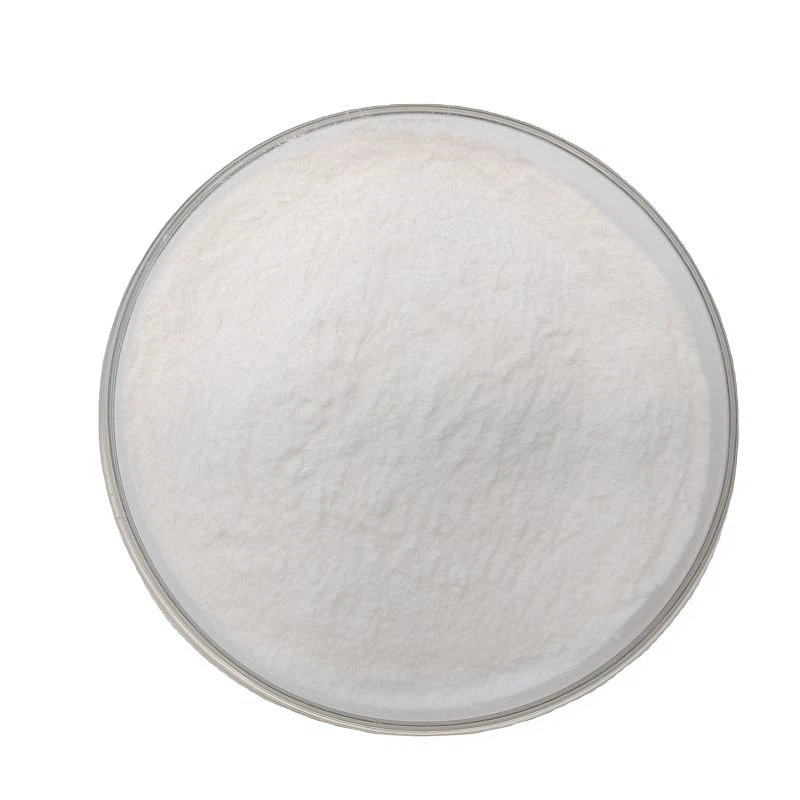
If you're still not sure which type of gypsum defoamer is right for your project, don't hesitate to reach out. As a gypsum defoamer supplier, I have the expertise and experience to help you make the best decision. You can also check out our Gypsum Defoamer Powder for more information on our product offerings.
Conclusion
In conclusion, both organic and inorganic gypsum defoamers have their own unique advantages and disadvantages. Understanding these differences is crucial for selecting the most suitable defoamer for your gypsum - based applications. Whether you need a defoamer for a small - scale DIY project or a large - scale construction job, I'm here to assist you. If you have any questions or are interested in purchasing gypsum defoamers, feel free to contact me for a detailed discussion and to start the procurement process.
References
- "Handbook of Defoaming Agents" by John Doe
- "Advanced Construction Materials: Gypsum - Based Products" by Jane Smith
- Industry reports on gypsum additives and defoamers.