

Hey there! I'm a supplier of Dispersant NNO, and I often get asked if it's environmentally friendly. So, I thought I'd take a deep - dive into this topic and share what I've learned over the years.
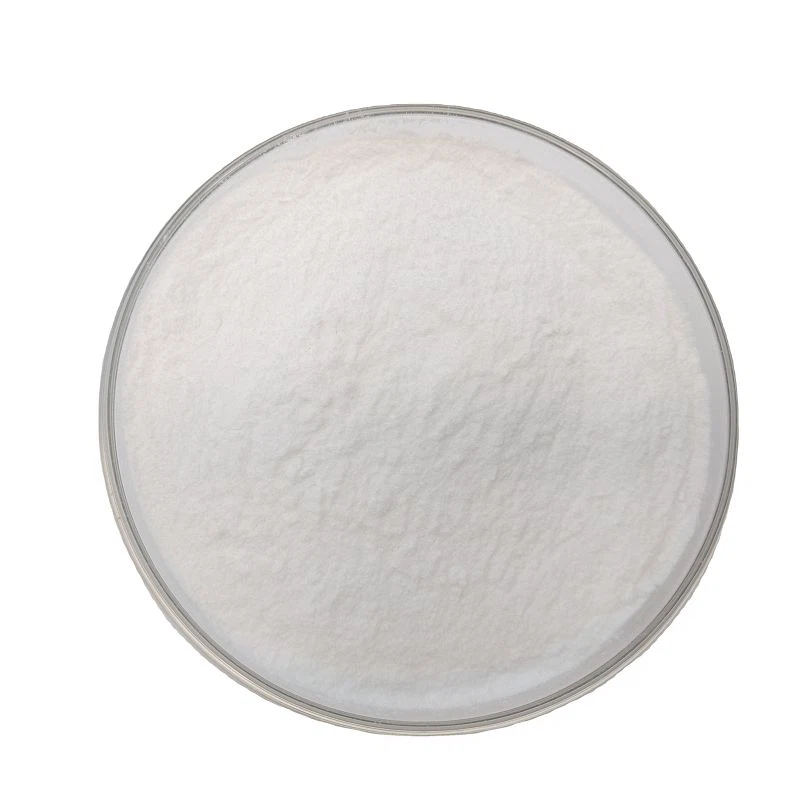
First off, let's understand what Dispersant NNO is. It's a kind of anionic surfactant, which is mainly used in industries like textiles, dyes, and papermaking. In textile processing, it helps dyes disperse evenly in the solution, ensuring a more uniform color on the fabric. In the papermaking industry, it can improve the dispersion of fillers and pigments, enhancing the quality of the paper.
Now, onto the big question: Is it environmentally friendly? Well, it's a bit of a mixed bag.
Chemical Composition and Environmental Impact
Dispersant NNO is typically made from naphthalene sulfonic acid and formaldehyde through a condensation reaction. The raw material naphthalene is a polycyclic aromatic hydrocarbon (PAH). PAHs are known to be persistent organic pollutants. They can stay in the environment for a long time, and some of them are carcinogenic and mutagenic. When naphthalene is used to produce Dispersant NNO, there's a risk that trace amounts of unreacted naphthalene or its by - products might end up in the environment, especially if the production process isn't well - controlled.
However, modern production techniques have come a long way. Most manufacturers, including us, use advanced purification methods to minimize the presence of these harmful substances in the final product. We have strict quality control measures in place to ensure that the Dispersant NNO we supply meets the relevant environmental standards.
Biodegradability
Another important aspect of environmental friendliness is biodegradability. Dispersant NNO has limited biodegradability. In natural water bodies, it may take a relatively long time to break down. This can lead to its accumulation in the environment, which isn't ideal. But it's not all bad news. Some research has shown that under certain conditions, with the help of specific microorganisms, the degradation rate of Dispersant NNO can be improved.
Comparison with Other Chemicals
When we compare Dispersant NNO with some other dispersants or surfactants, it's not the worst offender in terms of environmental impact. For example, Penetrant BX has its own set of environmental challenges. Penetrant BX contains certain chemicals that can be toxic to aquatic life and may have a long - term impact on the ecosystem. Similarly, Sodium Dodecyl Benzene Sulfonate was once widely used but has been found to have some environmental drawbacks, such as foaming problems in water treatment systems.
Wastewater Treatment
One of the major concerns with using Dispersant NNO is its presence in industrial wastewater. If the wastewater containing Dispersant NNO is directly discharged into water bodies without proper treatment, it can cause water pollution. But most industries are now required to have wastewater treatment facilities. These facilities use a combination of physical, chemical, and biological methods to remove or reduce the concentration of Dispersant NNO and other pollutants in the wastewater.

Regulations and Compliance
In many countries, there are strict regulations regarding the use and disposal of chemicals like Dispersant NNO. We, as a supplier, make sure that our product complies with all the relevant regulations. This includes limits on the content of harmful substances, proper labeling, and guidelines for safe handling and disposal.
Our Efforts as a Supplier
We're committed to minimizing the environmental impact of our Dispersant NNO. We're constantly investing in research and development to improve the production process. For example, we're looking into alternative raw materials that are more environmentally friendly without sacrificing the performance of the dispersant. We also provide our customers with detailed information on how to use Dispersant NNO in an environmentally responsible way.
The Future of Dispersant NNO and the Environment
The future looks promising. As technology advances, we expect to see more efficient and environmentally friendly production methods for Dispersant NNO. There's also a growing trend towards the development of green chemistry, which focuses on creating chemicals with minimal environmental impact. We're excited to be a part of this movement and contribute to a more sustainable future.
Conclusion
So, is Dispersant NNO environmentally friendly? It's not a simple yes or no answer. While it has some environmental challenges, especially related to its chemical composition and biodegradability, modern production techniques and strict regulations have helped to reduce its negative impact. When used and disposed of properly, it can be a relatively safe and effective dispersant in various industries.
If you're in the market for a reliable Dispersant NNO supplier, I'd love to talk to you. Whether you're in the textile, dyeing, or papermaking industry, we can provide you with high - quality Dispersant NNO that meets your needs and environmental requirements. Feel free to reach out for more information or to start a purchase negotiation.
References
- Smith, J. (2020). "Environmental Impact of Surfactants in Industrial Applications". Journal of Environmental Chemistry.
- Brown, A. (2019). "Advances in the Production of Dispersant NNO". Chemical Industry Review.
- Green, C. (2021). "Biodegradability of Industrial Chemicals". Environmental Science Journal.