

Gypsum pigments are widely used in various industries, including construction, art, and manufacturing, due to their excellent properties such as good whiteness, fine particle size, and chemical stability. However, during the production and application of gypsum pigments, foam generation can be a significant problem. Foam can lead to issues like uneven pigment dispersion, reduced product quality, and decreased production efficiency. This is where gypsum defoamers come into play. As a gypsum defoamer supplier, I will delve into how gypsum defoamers interact with gypsum pigments in this blog.
Understanding Gypsum Pigments and Foam Generation
Before discussing the interaction between gypsum defoamers and gypsum pigments, it's essential to understand the nature of gypsum pigments and why foam is generated. Gypsum pigments are typically made from gypsum minerals, which are processed to obtain a fine - powder form. During the manufacturing process, such as grinding, mixing, and dispersing, air can be entrained into the system, leading to foam formation. Additionally, the presence of certain surfactants or additives in the gypsum pigment formulation can also contribute to foam generation.
The foam generated in gypsum pigment systems can have several negative impacts. For example, in the construction industry, when gypsum - based mortars or plasters are used, excessive foam can cause voids in the final product, reducing its strength and durability. In the art industry, foam in gypsum - based paints can result in an uneven finish, affecting the aesthetic quality of the artwork.
Mechanisms of Gypsum Defoamers
Gypsum defoamers are designed to break down and prevent the formation of foam. There are two main types of defoamers: silicone - based and non - silicone - based. Silicone - based defoamers are known for their high efficiency and broad applicability. They work by spreading rapidly on the surface of the foam, reducing the surface tension of the foam film. This causes the foam film to become unstable and eventually break. Non - silicone - based defoamers, on the other hand, often rely on other mechanisms such as emulsification and coalescence to eliminate foam.
When a gypsum defoamer is added to a gypsum pigment system, it first needs to disperse evenly throughout the system. This is crucial because an uneven distribution of the defoamer may lead to incomplete foam elimination in some areas. Once dispersed, the defoamer molecules start to interact with the foam bubbles.
Interaction at the Molecular Level
At the molecular level, the interaction between gypsum defoamers and gypsum pigments is complex. Gypsum pigments usually have a certain surface charge and chemical composition. The defoamer molecules need to be compatible with the gypsum pigment particles to ensure proper dispersion.
Some defoamer molecules can adsorb onto the surface of gypsum pigment particles. This adsorption can have two main effects. Firstly, it can prevent the entrapment of air bubbles around the pigment particles during the mixing process. When the defoamer is adsorbed on the pigment surface, it creates a barrier that reduces the likelihood of air being trapped between the particles. Secondly, the adsorbed defoamer can also interact with the foam bubbles that come into contact with the pigment particles. The defoamer molecules can disrupt the foam film structure, causing the bubbles to burst.
For example, in a silicone - based defoamer, the silicone chains can interact with the surface of gypsum pigment particles through weak van der Waals forces. These forces allow the defoamer to spread evenly on the pigment surface and then act on the foam bubbles. Non - silicone defoamers may interact with the pigment particles through hydrogen bonding or other chemical interactions, depending on their chemical structure.
Impact on Pigment Dispersion
The interaction between gypsum defoamers and gypsum pigments also has an impact on pigment dispersion. Good pigment dispersion is essential for achieving uniform color and properties in the final product. A well - dispersed defoamer can help improve pigment dispersion in several ways.
Firstly, by eliminating foam, the defoamer reduces the interference of foam bubbles on the movement and dispersion of pigment particles. Foam bubbles can act as barriers, preventing the pigment particles from evenly distributing in the system. When the foam is removed, the pigment particles can move more freely and mix more uniformly.
Secondly, the defoamer can also reduce the aggregation of pigment particles. Aggregation can occur due to electrostatic forces or other interactions between the particles. The defoamer molecules adsorbed on the pigment surface can modify the surface properties of the particles, reducing the attractive forces between them and thus preventing aggregation.
Compatibility with Other Additives
In gypsum pigment systems, other additives are often used in addition to defoamers. These additives may include Gypsum Retarder, Thixotropic Agent, etc. The gypsum defoamer needs to be compatible with these additives to ensure the overall performance of the system.
For example, a gypsum retarder is used to control the setting time of gypsum - based products. The defoamer should not interfere with the action of the retarder. If the defoamer reacts with the retarder or changes its chemical environment, it may affect the setting time of the gypsum pigment system, leading to problems in the production process.
Similarly, a thixotropic agent is used to improve the flow and workability of gypsum - based materials. The defoamer should be able to co - exist with the thixotropic agent without causing any negative effects on its performance. Compatibility testing is often required when formulating a gypsum pigment system with multiple additives to ensure that all the components work together effectively.

Application - Specific Considerations
The interaction between gypsum defoamers and gypsum pigments can also vary depending on the specific application. In different industries, the requirements for gypsum pigment products are different, and so are the requirements for defoamers.
In the construction industry, where gypsum - based materials are used for large - scale applications such as building walls and ceilings, the defoamer needs to be highly efficient in eliminating foam to ensure the strength and quality of the final product. The defoamer should also be able to withstand the harsh environmental conditions during the construction process, such as high humidity and temperature variations.
In the art industry, the defoamer should not affect the color or transparency of the gypsum - based paints or pigments. Artists require high - quality pigments with excellent color fidelity, and any change in color or transparency caused by the defoamer is unacceptable.
Quality Control of Gypsum Defoamers
As a gypsum defoamer supplier, quality control is of utmost importance. To ensure the proper interaction between the defoamer and gypsum pigments, we need to control the quality of the defoamer at every stage of production.
We start with the selection of high - quality raw materials. The chemical composition and purity of the raw materials directly affect the performance of the defoamer. During the production process, strict process control is implemented to ensure the consistency of the defoamer's properties. This includes controlling the reaction temperature, time, and pressure to ensure that the defoamer molecules are formed correctly.
After production, we conduct a series of tests on the defoamer. These tests include foam - breaking efficiency tests, compatibility tests with gypsum pigments and other additives, and stability tests under different conditions. Only when the defoamer passes all these tests can it be considered a high - quality product suitable for use in gypsum pigment systems.
Conclusion
In conclusion, the interaction between gypsum defoamers and gypsum pigments is a complex process that involves molecular - level interactions, impacts on pigment dispersion, and compatibility with other additives. Understanding these interactions is crucial for achieving high - quality gypsum pigment products in various industries.
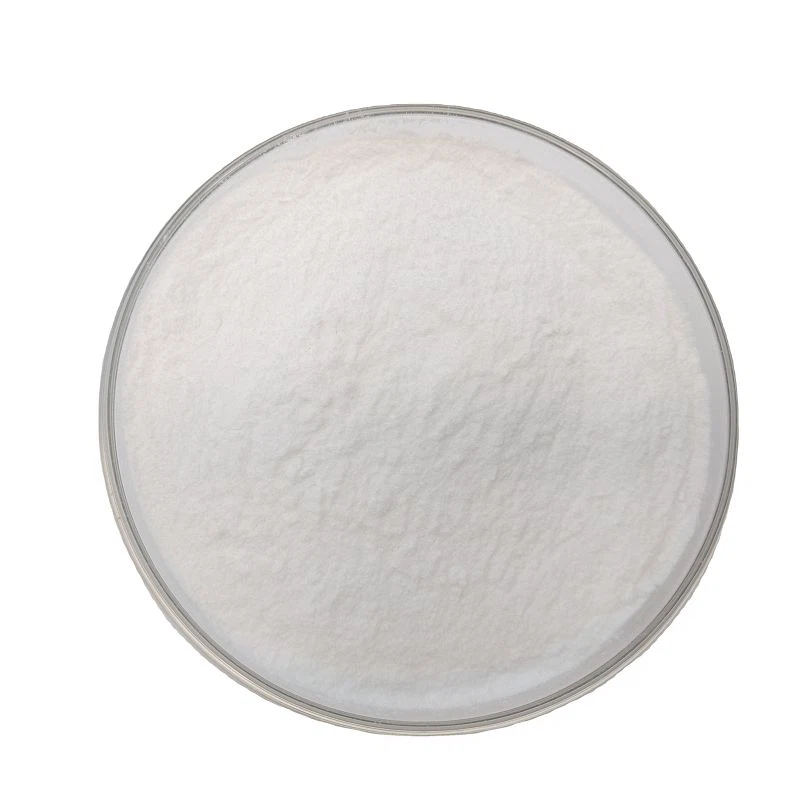
As a gypsum defoamer supplier, we are committed to providing high - quality Gypsum Defoamer Powder that can effectively interact with gypsum pigments. Our defoamers are designed to eliminate foam, improve pigment dispersion, and be compatible with other additives in the system.
If you are looking for a reliable gypsum defoamer supplier for your gypsum pigment applications, we would be more than happy to discuss your specific needs and provide you with the best solutions. Contact us today to start the procurement negotiation and take your gypsum pigment products to the next level.
References
- Smith, J. (2018). Foam Control in Industrial Processes. CRC Press.
- Jones, A. (2020). Gypsum Materials in Construction: Properties and Applications. Elsevier.
- Brown, C. (2019). Pigment Dispersion and Stabilization in Coatings. Wiley - VCH.