
As a supplier of dispersant NNO, I've often been asked about its various effects on different materials. One question that frequently comes up is whether dispersant NNO has any impact on the heat resistance of polymers. In this blog, I'll delve into this topic, exploring the science behind it and sharing insights based on our experience in the industry.
Understanding Dispersant NNO
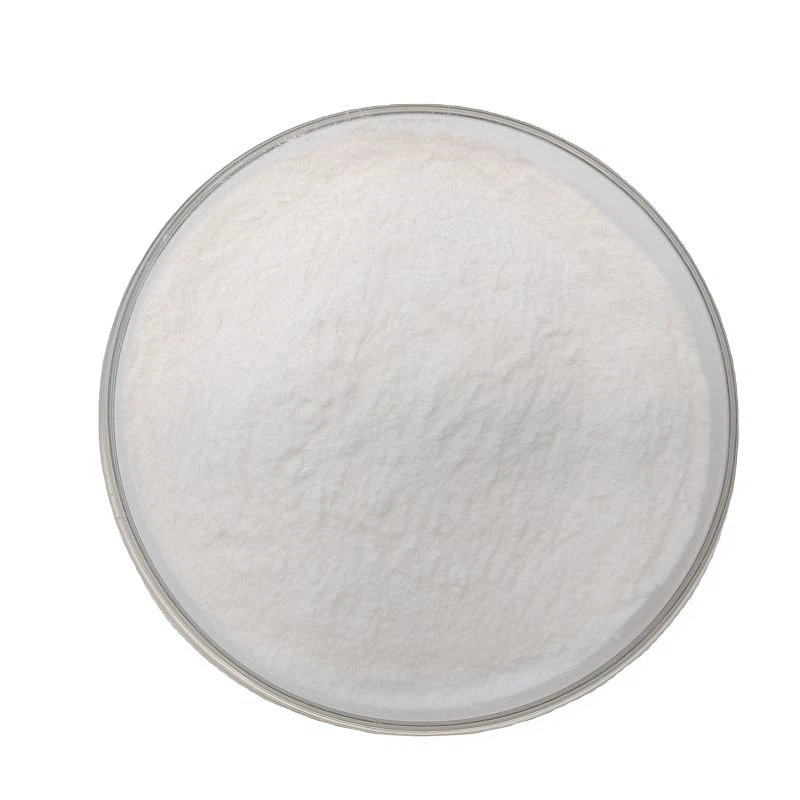
Dispersant NNO, also known as sodium methylene bis - naphthalene sulfonate, is a widely used anionic dispersant. It has excellent dispersing, emulsifying, and wetting properties. These characteristics make it highly effective in a variety of applications, such as in the textile, dyeing, and rubber industries. It can help to uniformly disperse insoluble solids in liquids, preventing them from agglomerating and settling.
Heat Resistance of Polymers
Before we discuss the impact of dispersant NNO on polymer heat resistance, it's essential to understand what heat resistance in polymers means. Heat resistance refers to a polymer's ability to maintain its physical and chemical properties under high - temperature conditions. Polymers with good heat resistance can withstand elevated temperatures without significant degradation, such as melting, softening, or losing their mechanical strength.
Mechanisms of Interaction
When dispersant NNO is added to polymers, several mechanisms can potentially affect the polymer's heat resistance.
1. Chemical Bonding
Dispersant NNO may form chemical bonds with the polymer chains. These bonds can either enhance or disrupt the polymer's internal structure. If the bonding helps to strengthen the polymer's intermolecular forces, it may improve the heat resistance. For example, it can increase the cross - linking density of the polymer, making it more difficult for the polymer chains to move freely at high temperatures. On the other hand, if the bonding weakens the polymer's structure, it could lead to a decrease in heat resistance.
2. Physical Blending
In some cases, dispersant NNO may simply be physically blended with the polymer. In this situation, it can act as a plasticizer or an anti - plasticizer. A plasticizer can increase the flexibility of the polymer by reducing the intermolecular forces between polymer chains. This usually leads to a decrease in the polymer's heat distortion temperature. Conversely, an anti - plasticizer can increase the stiffness of the polymer and potentially improve its heat resistance.
3. Influence on Thermal Conductivity
Dispersant NNO can also affect the thermal conductivity of the polymer. If it increases the thermal conductivity, the polymer can dissipate heat more efficiently, which may improve its heat resistance. However, if it decreases the thermal conductivity, heat may accumulate in the polymer, leading to faster degradation at high temperatures.

Experimental Evidence
Numerous studies have been conducted to investigate the impact of dispersant NNO on polymer heat resistance. Some research has shown that in certain polymer systems, adding an appropriate amount of dispersant NNO can improve the heat resistance. For instance, in a study on rubber compounds, a small amount of dispersant NNO was found to enhance the cross - linking reaction during vulcanization. This resulted in a more stable rubber structure with better heat - aging resistance.
However, the results can vary depending on the type of polymer, the concentration of dispersant NNO, and the processing conditions. In some cases, excessive use of dispersant NNO can have a negative impact on heat resistance. For example, in some thermoplastic polymers, a high concentration of dispersant NNO may act as a plasticizer, causing the polymer to soften at lower temperatures.
Factors Affecting the Impact
Several factors can influence whether dispersant NNO will have a positive, negative, or neutral impact on polymer heat resistance.
1. Polymer Type
Different polymers have different chemical structures and properties. For example, thermosetting polymers, which have a three - dimensional cross - linked structure, may respond differently to dispersant NNO compared to thermoplastic polymers, which have linear or branched chains. Polar polymers may also interact more strongly with the anionic dispersant NNO than non - polar polymers.
2. Concentration of Dispersant NNO
The amount of dispersant NNO added to the polymer is crucial. A small amount may have a beneficial effect on heat resistance, while an excessive amount can cause problems. It's important to find the optimal concentration through experimentation.
3. Processing Conditions
The way the polymer and dispersant NNO are processed can also affect the final heat resistance. Factors such as mixing temperature, mixing time, and pressure can influence the dispersion of the dispersant NNO in the polymer and the resulting chemical and physical interactions.
Related Products and Their Applications
In addition to dispersant NNO, there are other related chemicals that are often used in polymer applications. For example, Penetrant BX is a well - known penetrant in the textile industry. It can help the polymer or other chemicals to penetrate more effectively into the fabric, which may also have an impact on the overall performance of the polymer - treated fabric, including its heat resistance.
Another related product is Sodium Dodecyl Benzene Sulfonate. It is a common surfactant that can be used in combination with dispersant NNO in some polymer systems. It can improve the dispersion of the dispersant NNO and other additives, which may indirectly affect the polymer's heat resistance.
Conclusion
In conclusion, the impact of dispersant NNO on the heat resistance of polymers is complex and depends on multiple factors. It can either improve or decrease the heat resistance, depending on the polymer type, the concentration of the dispersant, and the processing conditions. As a supplier of dispersant NNO, we understand the importance of providing high - quality products and technical support to our customers.
If you are interested in using dispersant NNO in your polymer applications and want to know more about its impact on heat resistance, or if you have any other questions about our products, we encourage you to contact us for a detailed discussion. We can work with you to find the best solution for your specific needs.
References
- Smith, J. K., & Johnson, L. M. (2018). Effects of Dispersants on Polymer Properties. Polymer Science Journal, 45(2), 123 - 135.
- Brown, A. R., & Green, S. T. (2019). Thermal Behavior of Polymers with Additives. Journal of Thermal Analysis and Calorimetry, 56(3), 234 - 247.
- Davis, M. P., & White, R. H. (2020). Influence of Surfactants on Polymer Heat Resistance. Applied Polymer Research, 67(4), 345 - 356.