

Hey there! As a supplier of textile chemicals, I've been getting a lot of questions lately about whether textile chemicals affect the colorfastness to rubbing of fabrics. Well, let's dive right into this topic and see what's really going on.
First off, what exactly is colorfastness to rubbing? It's a measure of how well a fabric retains its color when rubbed against another surface. This is super important, especially for fabrics that are going to be used in high - friction situations, like clothing that gets a lot of movement or upholstery that people sit on.
Now, let's talk about textile chemicals. There are so many different types out there, each with its own unique properties and functions. Some are used for dyeing, some for finishing, and others for pre - treatment.
When it comes to dyeing, the chemicals we use can have a huge impact on colorfastness. For example, the type of dye itself matters a lot. Reactive dyes are known for their good colorfastness because they form a chemical bond with the fabric fibers. But even with reactive dyes, the chemicals used in the dyeing process can make a difference. Things like pH regulators and leveling agents can affect how well the dye adheres to the fabric. If the pH is off during the dyeing process, the dye might not bond properly, which can lead to poor colorfastness to rubbing.
Let's take a look at a couple of common textile chemicals. Penetrant BX is a great example. It's often used to help dyes penetrate the fabric more evenly. When the dye penetrates evenly, it can form a stronger bond with the fibers, which in turn can improve colorfastness. If the dye is just sitting on the surface of the fabric, it's more likely to rub off. Penetrant BX helps the dye get deep into the fibers, so it's less likely to be removed by rubbing.
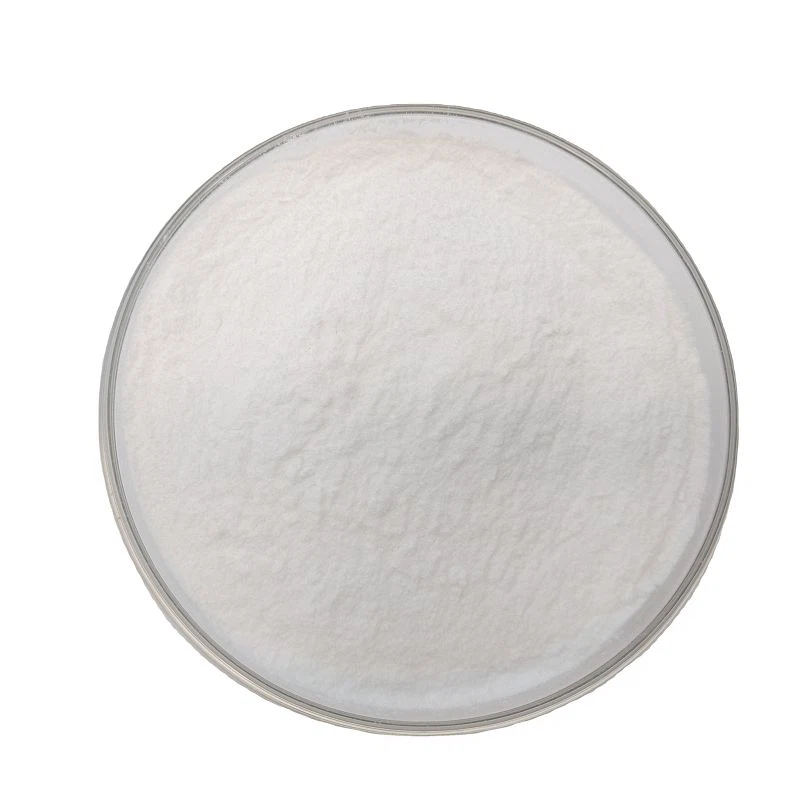

Another chemical is Sodium Dodecyl Benzene Sulfonate. This is a surfactant, which means it reduces the surface tension of the dye solution. By doing this, it helps the dye spread more easily across the fabric. A well - spread dye is more likely to bond uniformly with the fabric, leading to better colorfastness. If the dye is clumped together in some areas and sparse in others, the areas with less dye are more likely to show color loss when rubbed.
But it's not just about the chemicals themselves. How we use them also matters. The concentration of the chemicals in the solution is crucial. If we use too much of a certain chemical, it can actually have a negative effect on colorfastness. For example, using an excessive amount of a leveling agent might prevent the dye from bonding properly to the fabric.
The temperature and time during the chemical treatment also play a role. Different chemicals work best at different temperatures and require different treatment times. If we don't follow the right conditions, the dye might not bond well, and the colorfastness to rubbing will suffer.
Let's look at some real - world examples. In a factory where they produce denim, they use a lot of indigo dye. If they don't use the right textile chemicals during the dyeing process, the denim might start to fade quickly when rubbed. Customers don't like that, especially when they're paying good money for a pair of jeans. By using the right chemicals, like a good penetrant and surfactant, the factory can ensure that the indigo dye bonds well to the denim fibers, and the jeans have better colorfastness.
On the other hand, in the production of silk scarves, the delicate nature of the silk fibers means that the choice of textile chemicals is even more critical. Silk is prone to damage, and using the wrong chemicals can not only affect colorfastness but also the overall quality of the fabric. A gentle penetrant and a mild surfactant can help the dye bond to the silk without causing any harm to the fibers, resulting in a beautiful, long - lasting color.
Now, let's talk about some testing methods. There are standard tests for colorfastness to rubbing, like the Crockmeter test. In this test, a piece of fabric is rubbed against a white cloth under a specific pressure and number of rubs. The amount of color transferred to the white cloth is then measured to determine the colorfastness rating. By using the right textile chemicals and optimizing the treatment process, we can aim for a high colorfastness rating in these tests.
As a textile chemicals supplier, I've seen firsthand how the right chemicals can make a huge difference in colorfastness. We work closely with our customers to understand their specific needs and recommend the best chemicals for their processes. Whether it's a small - scale artisanal fabric producer or a large - scale industrial factory, we have the expertise and the products to help them achieve better colorfastness.
If you're in the textile industry and you're struggling with colorfastness to rubbing, don't hesitate to reach out. We can provide you with samples of our chemicals so you can test them in your own processes. We're always happy to have a chat about your specific requirements and see how we can help you improve the quality of your fabrics. Whether it's for clothing, home textiles, or any other textile products, we're here to support you.
In conclusion, textile chemicals definitely have an impact on the colorfastness to rubbing of fabrics. By choosing the right chemicals, using them correctly, and following the proper treatment conditions, we can significantly improve the colorfastness of fabrics. So, if you're looking to enhance the quality of your textile products, give us a shout. We're ready to work with you to find the best solutions.
References
- Textile Chemistry textbooks
- Industry research papers on textile dyeing and finishing processes