

Sodium dodecyl benzene sulfonate (SDBS) is a widely used anionic surfactant known for its excellent emulsifying, dispersing, and wetting properties. As a supplier of SDBS, I often receive inquiries about its potential applications in various industries, including the paper industry. In this blog post, I will explore whether SDBS can be used in the paper industry, its functions, and the considerations associated with its use.
Properties of Sodium Dodecyl Benzene Sulfonate
SDBS is a synthetic organic compound with a hydrophilic sulfonate group and a hydrophobic alkyl benzene group. This unique molecular structure gives it amphiphilic properties, allowing it to reduce the surface tension of water and form stable emulsions and dispersions. It is soluble in water, has good chemical stability, and is resistant to hard water and high temperatures. These properties make SDBS suitable for a wide range of applications, such as detergents, emulsifiers, dispersants, and wetting agents.
Potential Applications of SDBS in the Paper Industry
Pulping Process
In the pulping process, SDBS can be used as a dispersant and wetting agent. It helps to improve the dispersion of pulp fibers in water, reducing the formation of fiber bundles and improving the uniformity of the pulp suspension. This can lead to better paper formation and improved physical properties of the paper, such as strength and smoothness. SDBS can also enhance the wetting of the pulp fibers, allowing for better penetration of chemicals during the pulping process, which can improve the efficiency of delignification and bleaching.
Coating and Sizing
SDBS can be used in paper coating and sizing formulations. In coating applications, it can act as a dispersant for pigments and binders, ensuring a uniform distribution of the coating materials on the paper surface. This can improve the printability, gloss, and smoothness of the coated paper. In sizing applications, SDBS can help to improve the hydrophobicity of the paper by reducing the surface tension of the sizing agent and enhancing its adhesion to the paper fibers. This can improve the water resistance and dimensional stability of the paper.
Deinking
In the deinking process, SDBS can be used as a surfactant to remove ink and other contaminants from recycled paper. It helps to break down the ink particles and disperse them in the water, allowing for their removal by flotation or washing. SDBS can also improve the wetting of the paper fibers, making it easier to release the ink from the fibers. This can improve the quality of the recycled paper and reduce the environmental impact of paper production.
Advantages of Using SDBS in the Paper Industry
- Improved Paper Quality: SDBS can enhance the physical and optical properties of paper, such as strength, smoothness, printability, and gloss.
- Increased Process Efficiency: By improving the dispersion and wetting of pulp fibers and coating materials, SDBS can reduce the energy consumption and processing time in the paper manufacturing process.
- Cost-Effective: SDBS is a relatively inexpensive surfactant compared to other specialty chemicals used in the paper industry. Its low cost and high performance make it an attractive option for paper manufacturers.
- Environmental Friendliness: SDBS is biodegradable and has a low toxicity, making it a more environmentally friendly option compared to some other surfactants.
Considerations for Using SDBS in the Paper Industry
Compatibility with Other Chemicals
When using SDBS in the paper industry, it is important to consider its compatibility with other chemicals used in the process. SDBS may interact with other surfactants, dyes, pigments, and additives, which can affect its performance and the quality of the paper. Therefore, it is recommended to conduct compatibility tests before using SDBS in a new formulation.

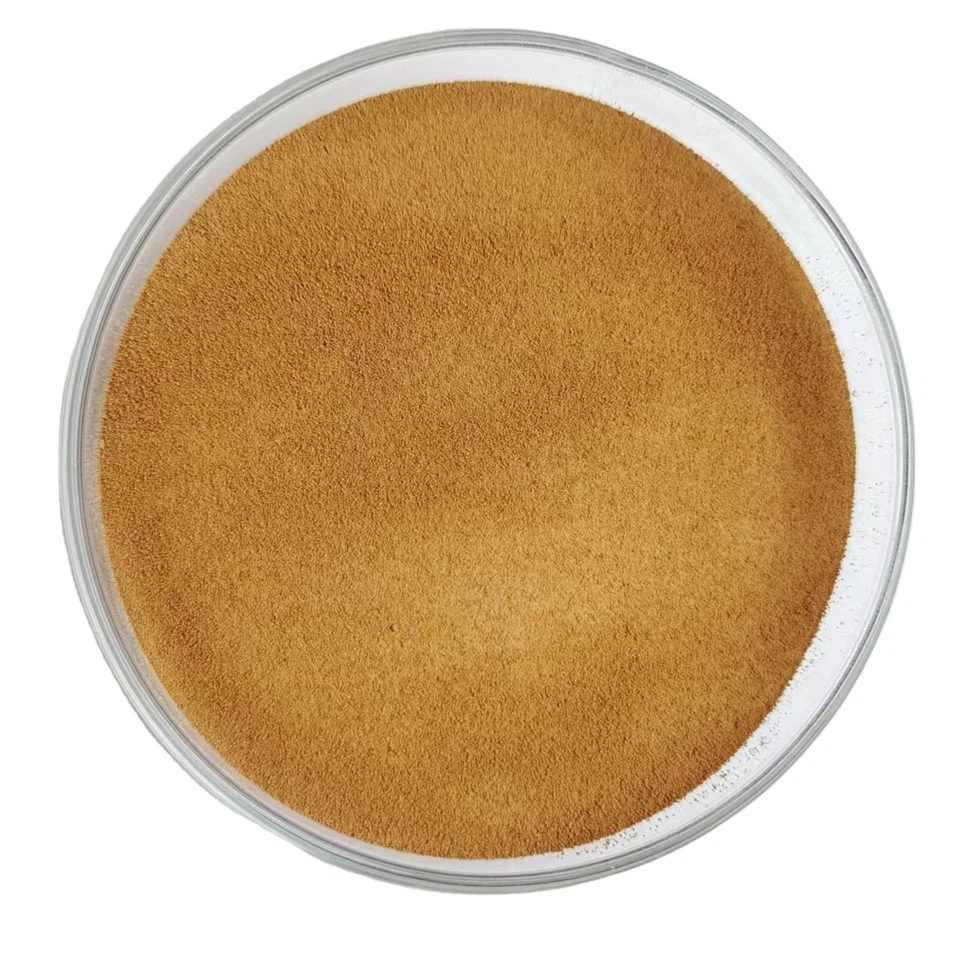
Dosage and Concentration
The dosage and concentration of SDBS used in the paper industry depend on the specific application and the desired properties of the paper. Too much SDBS can lead to excessive foaming, which can affect the processability and quality of the paper. On the other hand, too little SDBS may not provide the desired effects. Therefore, it is important to optimize the dosage and concentration of SDBS based on the specific requirements of the paper manufacturing process.
Environmental Impact
Although SDBS is biodegradable and has a low toxicity, its use in the paper industry may still have some environmental impact. For example, the discharge of SDBS-containing wastewater into the environment may affect the water quality and aquatic life. Therefore, it is important to ensure proper treatment of the wastewater before discharge to minimize the environmental impact.
Comparison with Other Surfactants and Dispersants
In the paper industry, there are other surfactants and dispersants available that can be used for similar applications as SDBS. For example, Sodium Naphthalene Sulfonate Formaldeyde SNSF, Dispersant NNO Tamol NN9104 CAS NO 9084-06-4, and Dispersant Powder SNF Sodium Naphthalene Sulfonate Condensate are commonly used dispersants in the paper industry. These products have different chemical structures and properties, and their performance may vary depending on the specific application.
SDBS has some advantages over these other products. It is more cost-effective, has better solubility in water, and is more resistant to hard water and high temperatures. However, the choice of surfactant or dispersant depends on the specific requirements of the paper manufacturing process, such as the type of pulp, the desired paper properties, and the environmental regulations.
Conclusion
In conclusion, sodium dodecyl benzene sulfonate can be used in the paper industry for various applications, such as pulping, coating, sizing, and deinking. Its properties as a dispersant, wetting agent, and emulsifier make it suitable for improving the quality and processability of paper. However, when using SDBS in the paper industry, it is important to consider its compatibility with other chemicals, optimize the dosage and concentration, and ensure proper environmental management. As a supplier of SDBS, I am committed to providing high-quality products and technical support to help paper manufacturers achieve their production goals.
If you are interested in using SDBS in your paper manufacturing process or have any questions about its applications, please feel free to contact me for more information and to discuss potential procurement opportunities. I look forward to working with you to find the best solutions for your paper production needs.
References
- "Surfactants in the Paper Industry" by John Wiley & Sons
- "Handbook of Pulp and Paper Technology" by Carlton J. Biermann
- "Paper Chemistry and Chemical Technology" by James P. Casey