

Can sodium dodecyl benzene sulfonate be used in the metal - working industry?
As a supplier of sodium dodecyl benzene sulfonate, I often receive inquiries about the diverse applications of this chemical compound. One question that frequently arises is whether sodium dodecyl benzene sulfonate can be used in the metal - working industry. In this blog post, I will explore this topic in detail, analyzing its properties, potential uses, and limitations in metal - working processes.
Properties of Sodium Dodecyl Benzene Sulfonate
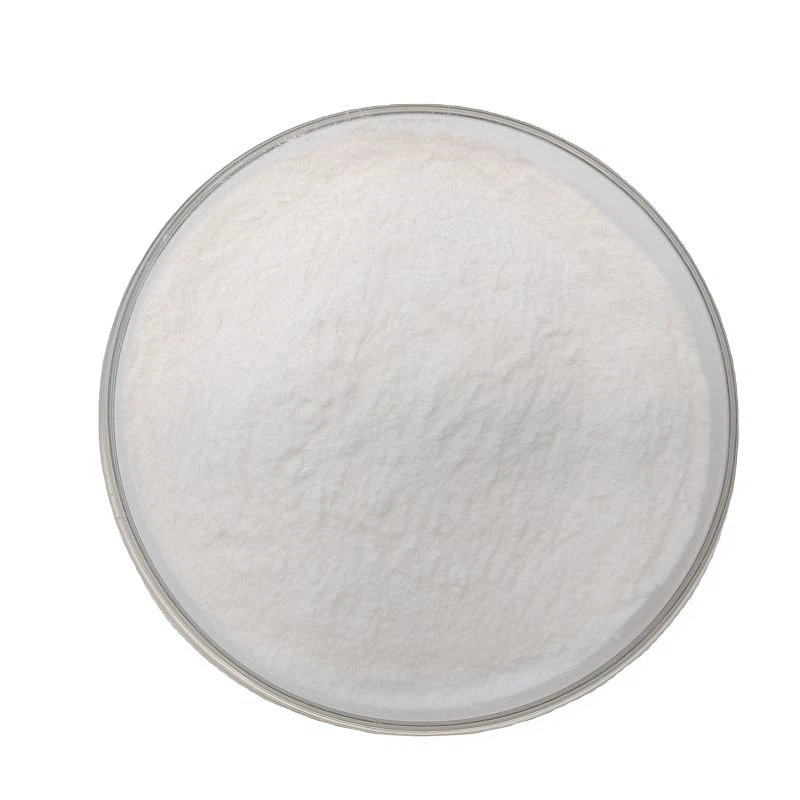
Sodium dodecyl benzene sulfonate, also known as SDBS, is an anionic surfactant. It has a hydrophilic sulfonate group and a hydrophobic dodecyl benzene group. This unique structure gives it excellent emulsifying, dispersing, and wetting properties. It is a white or light - yellow powder or flakes, soluble in water, and relatively stable under normal conditions. These properties make it a popular choice in various industries, such as detergents, textiles, and agriculture.
Potential Uses in the Metal - Working Industry
1. Cleaning and Degreasing
In the metal - working industry, metal parts often get contaminated with oils, greases, and other contaminants during manufacturing processes such as machining, stamping, and forging. SDBS can be an effective component in metal cleaning agents. Its strong emulsifying and wetting abilities allow it to break down the oil - water interface, enabling the removal of oils and greases from the metal surface. When formulated into a cleaning solution, SDBS can penetrate the oil layer on the metal surface, surround the oil droplets, and disperse them in the water phase. This makes it easier to rinse away the contaminants, leaving the metal surface clean. For example, in a precision machining workshop, using a cleaning solution containing SDBS can efficiently remove the cutting oils and lubricants from the machined parts, preparing them for subsequent processes like plating or painting. You can learn more about Sodium Dodecyl Benzene Sulfonate and its properties on our website.
2. Corrosion Inhibition
Another potential application of SDBS in the metal - working industry is corrosion inhibition. Although SDBS is not a traditional corrosion inhibitor like some specialized chemicals, it can play a role in protecting metal surfaces. When adsorbed on the metal surface, SDBS can form a thin film. This film can act as a physical barrier, preventing the contact of corrosive substances such as oxygen, water, and salts with the metal surface. In some mild - corrosion environments, such as indoor storage of metal parts, adding a small amount of SDBS to the storage medium or a protective coating can slow down the corrosion process. However, it should be noted that its corrosion - inhibition effect is limited compared to dedicated corrosion inhibitors, and it is more suitable for short - term protection or in combination with other corrosion - prevention measures.
3. Metal Cutting and Grinding Fluids
In metal cutting and grinding operations, cutting fluids are used to cool the cutting tool and the workpiece, reduce friction, and flush away the chips. SDBS can be incorporated into these cutting fluids. Its emulsifying property helps to form a stable oil - in - water emulsion in the cutting fluid. This emulsion provides better lubrication and cooling performance compared to pure water - based or oil - based fluids. The SDBS - containing cutting fluid can reduce the friction between the cutting tool and the metal workpiece, improving the cutting efficiency and the surface finish of the machined parts. Additionally, its wetting ability ensures that the cutting fluid can spread evenly on the cutting interface, enhancing the overall performance of the cutting process.
Limitations and Considerations
1. Compatibility with Metals
Although SDBS has many potential applications in the metal - working industry, it is essential to consider its compatibility with different metals. Some metals, such as aluminum and magnesium, are more reactive and may be affected by the chemical properties of SDBS. For example, in an alkaline environment, SDBS may react with aluminum to form some compounds that can damage the aluminum surface. Therefore, before using SDBS in metal - working processes involving these reactive metals, compatibility tests should be conducted to ensure that there is no adverse reaction.

2. Environmental and Health Concerns
SDBS is a synthetic surfactant, and its use may raise some environmental and health concerns. In large - scale industrial applications, if not properly treated, the wastewater containing SDBS can cause pollution to the environment. SDBS can be biodegraded, but the degradation process may take some time, and in some cases, it may produce intermediate products that are also harmful to the environment. From a health perspective, direct contact with concentrated SDBS solutions can cause skin and eye irritation. Therefore, proper safety measures should be taken during its handling and use.
3. Concentration and Formulation
The performance of SDBS in metal - working applications is highly dependent on its concentration and the formulation of the products it is used in. If the concentration is too low, it may not achieve the desired cleaning, emulsifying, or corrosion - inhibition effects. On the other hand, if the concentration is too high, it may cause problems such as foaming in the cleaning or cutting fluids, which can affect the normal operation of the equipment. Therefore, optimizing the concentration and formulation of SDBS - containing products is crucial for achieving the best results in metal - working processes.
Conclusion
In conclusion, sodium dodecyl benzene sulfonate has several potential uses in the metal - working industry, including cleaning and degreasing, corrosion inhibition, and as a component in metal cutting and grinding fluids. However, its application also has limitations and requires careful consideration of factors such as metal compatibility, environmental and health concerns, and proper formulation. As a supplier, we have rich experience in providing high - quality SDBS products and can offer technical support to help our customers use SDBS effectively in their metal - working processes. If you are interested in using Sodium Dodecyl Benzene Sulfonate in your metal - working operations or have any questions about its application, please feel free to contact us for further discussion and procurement negotiation. We also offer Penetrant BX, which may be used in combination with SDBS in some applications.
References
- "Surfactants in Industrial Applications" by Surfactant Science Series.
- "Metalworking Fluids: Chemistry and Selection" by John F. McDonald.
- "Corrosion Science and Engineering" textbooks and research papers.