

As a supplier of sodium dodecyl benzene sulfonate, I often receive inquiries from customers about its various applications, and one question that frequently comes up is whether it can be used in food - related products. In this blog post, I will delve into this topic based on scientific knowledge and industry standards.
What is Sodium Dodecyl Benzene Sulfonate?
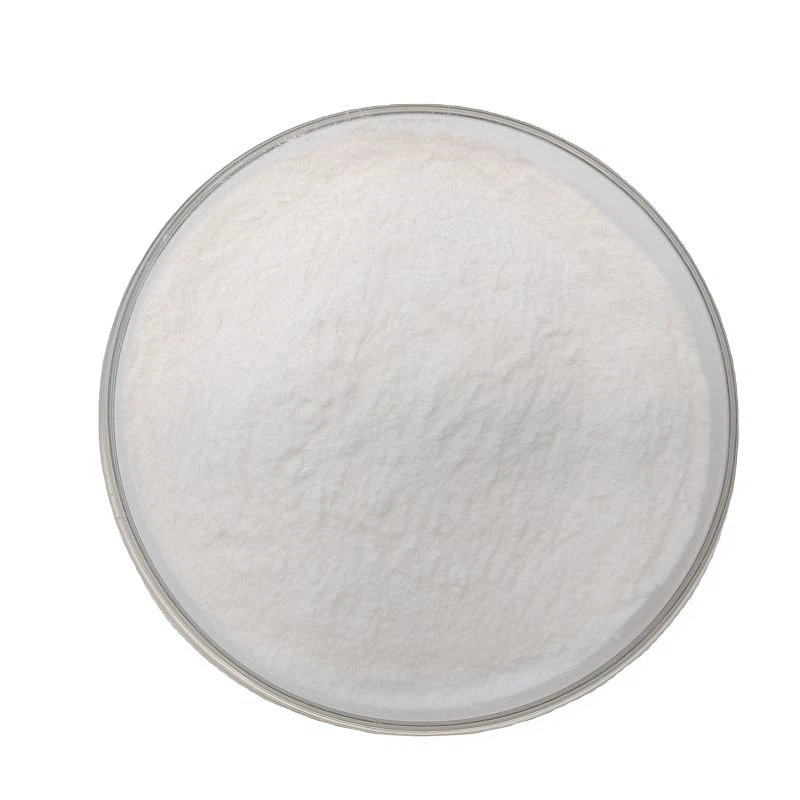
Sodium dodecyl benzene sulfonate (SDBS) is an anionic surfactant that is widely used in many industrial and household applications. It has excellent emulsifying, dispersing, and wetting properties, which make it a popular choice in the production of detergents, cleaning agents, and textile auxiliaries. You can learn more about it on our website Sodium Dodecyl Benzene Sulfonate.
The chemical structure of SDBS consists of a hydrophobic dodecyl benzene group and a hydrophilic sulfonate group. This unique structure allows it to reduce the surface tension of water and effectively remove dirt and grease. In the textile industry, for example, it is used as a key ingredient in Penetrant BX, which helps dyes penetrate fabrics evenly.
Safety Considerations in General
Before discussing its use in food - related products, it's important to understand the general safety profile of SDBS. In normal industrial and household uses, SDBS is considered safe when used as directed. However, like many chemicals, it can pose risks if misused or over - exposed.
Exposure to high concentrations of SDBS can cause irritation to the skin, eyes, and respiratory tract. Ingestion of large amounts may also lead to gastrointestinal discomfort, nausea, and vomiting. Therefore, proper handling procedures, such as wearing protective gloves and goggles, are necessary when working with SDBS in industrial settings.
Regulatory Status Regarding Food - Related Use
In most countries, SDBS is not approved for direct use in food products. The main reason is related to its potential toxicity. Although it has been extensively studied, there are concerns about its long - term effects on human health if consumed regularly.
Food safety regulations are designed to protect consumers from potential harmful substances. Regulatory bodies such as the Food and Drug Administration (FDA) in the United States and the European Food Safety Authority (EFSA) in Europe have strict criteria for substances that can be used in food or food - contact materials. These criteria take into account factors such as acute and chronic toxicity, carcinogenicity, and mutagenicity.
SDBS has not met the requirements for direct food use because of its potential to accumulate in the body over time and its possible effects on the liver, kidneys, and other organs. In addition, there is a lack of sufficient evidence to prove its long - term safety in food applications.
Indirect Contact in Food - Related Products
While SDBS is not used directly in food, it may have some indirect contact in food - related products. For example, it can be used in the cleaning agents for food processing equipment. In this case, strict rinsing procedures must be in place to ensure that no SDBS residue remains on the equipment before it comes into contact with food.

Some food packaging materials may also be treated with chemicals containing SDBS during the manufacturing process. However, the amount of SDBS in these materials is strictly regulated to ensure that the migration of SDBS into food is within safe limits.
Research on SDBS and Food Safety
Numerous scientific studies have been conducted to evaluate the safety of SDBS in different contexts. Some studies have focused on its environmental impact, as SDBS can be released into water bodies through wastewater from industrial and household uses. These studies have shown that SDBS can have adverse effects on aquatic organisms, such as fish and algae.
In terms of food safety, research has mainly concentrated on the potential for SDBS to contaminate food. Studies have found that even low levels of SDBS in food can have negative effects on the taste and quality of food. Moreover, long - term exposure to SDBS through food consumption may increase the risk of certain health problems.
Alternatives for Food - Related Applications
Given the restrictions on SDBS use in food - related products, there are several alternatives available. For cleaning food processing equipment, natural and biodegradable surfactants such as alkyl polyglucosides (APGs) are becoming more popular. APGs are derived from renewable resources and have a lower environmental impact compared to SDBS.
In food packaging, materials made from plant - based polymers are being developed as alternatives to traditional plastics that may contain SDBS - related chemicals. These plant - based materials are not only more sustainable but also reduce the risk of chemical migration into food.
Conclusion
In conclusion, sodium dodecyl benzene sulfonate is not suitable for direct use in food products due to safety concerns. Although it has many useful applications in other industries, such as textiles and detergents, its potential toxicity makes it inappropriate for food consumption.
However, in some indirect food - related scenarios, such as cleaning food processing equipment, SDBS can be used under strict regulatory control. It is crucial for food manufacturers and processors to follow proper cleaning and rinsing procedures to prevent any SDBS residue from entering the food supply.
As a supplier of SDBS, we are committed to providing high - quality products for non - food applications. If you have any questions about our SDBS products or need more information on its proper use, please feel free to contact us for procurement and further discussions.
References
- Food and Drug Administration (FDA). (Year). Code of Federal Regulations, Title 21.
- European Food Safety Authority (EFSA). (Year). Scientific opinions on food additives and contaminants.
- Various scientific research papers on the toxicity and environmental impact of sodium dodecyl benzene sulfonate.