
Can dispersant NNO be used in the production of detergents?
As a supplier of dispersant NNO, I've often been asked whether this chemical can be effectively used in the production of detergents. In this blog, I'll delve into the properties of dispersant NNO, analyze its potential applications in detergent production, and explore its advantages and limitations.
Understanding Dispersant NNO
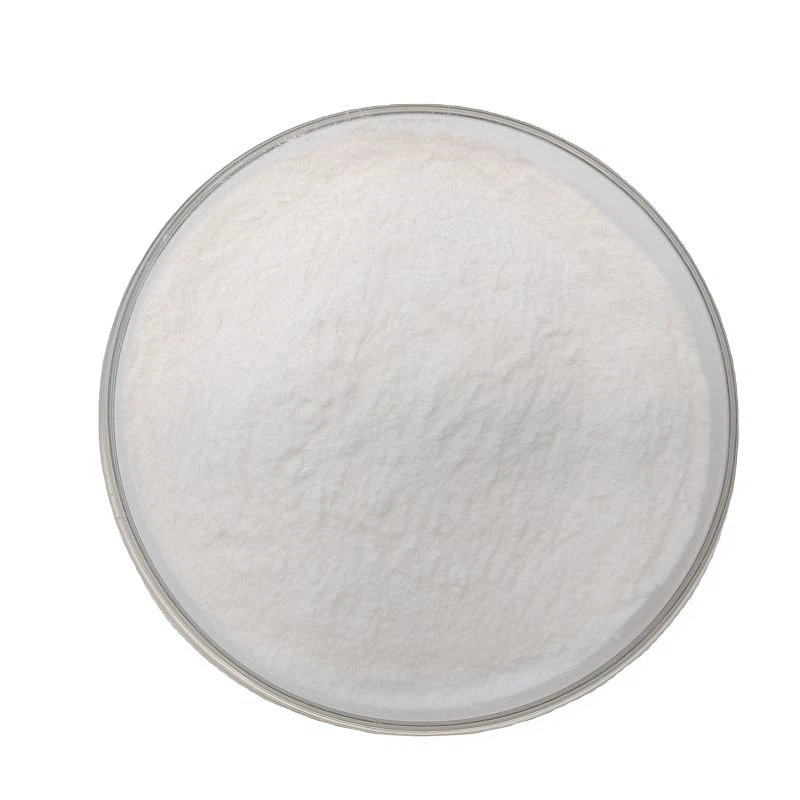
Dispersant NNO, also known as sodium methylene dinaphthalene sulfonate, is an anionic surfactant. It is a yellow - brown powder or granular solid that is highly soluble in water. Its molecular structure consists of two naphthalene rings connected by a methylene group, with sulfonate groups attached to the naphthalene rings. These sulfonate groups are responsible for its excellent dispersing, wetting, and emulsifying properties.
The Requirements of Detergent Production
Before we can determine whether dispersant NNO can be used in detergent production, it's important to understand the key requirements for detergent formulation. Detergents need to have good cleaning ability, which involves removing dirt, grease, and stains from various surfaces. They also need to have proper foaming characteristics, be stable under different conditions (such as temperature and pH), and be safe for both users and the environment.
Potential Applications of Dispersant NNO in Detergent Production
Dispersing Ability
One of the main functions of dispersant NNO is its ability to disperse solid particles in a liquid medium. In detergents, this can be extremely useful for suspending dirt and stains that have been removed from the surface being cleaned. For example, when washing clothes, dispersant NNO can prevent dirt particles from redepositing on the fabric, resulting in a cleaner wash. It can also disperse insoluble additives in the detergent formulation, ensuring a homogeneous product.
Wetting Agent
Dispersant NNO has good wetting properties. It can reduce the surface tension of water, allowing the detergent solution to spread more easily over the surface to be cleaned. This is particularly important for detergents used in laundry and dishwashing, as it helps the detergent to penetrate into the fibers of the fabric or the pores of the dishes, enhancing the cleaning effect.
Compatibility with Other Ingredients
Dispersant NNO is generally compatible with many other common detergent ingredients. It can be used in combination with Sodium Dodecyl Benzene Sulfonate, a widely used anionic surfactant in detergents, to enhance the overall cleaning performance. It can also work well with Penetrant BX to improve the wetting and penetration abilities of the detergent.
Advantages of Using Dispersant NNO in Detergents
Cost - Effectiveness
Dispersant NNO is relatively inexpensive compared to some other high - performance surfactants. This makes it an attractive option for detergent manufacturers looking to reduce production costs without sacrificing too much on quality.

Stability
It has good chemical stability under a wide range of pH and temperature conditions. This means that detergents formulated with dispersant NNO can maintain their performance in different washing environments, whether it's a hot water wash or a cold - water cycle.
Limitations of Using Dispersant NNO in Detergents
Foaming Characteristics
Dispersant NNO does not produce a large amount of foam on its own. In some detergent applications, such as in hand - washing detergents, a high level of foaming is often desired as it gives consumers the perception of a more effective cleaning process. However, this can be overcome by combining it with other foaming agents.
Environmental Concerns
Although dispersant NNO is biodegradable to some extent, there are still some environmental concerns associated with its use. Some studies have shown that certain degradation products of dispersant NNO may have potential negative impacts on aquatic ecosystems. Therefore, detergent manufacturers need to ensure proper disposal and treatment of wastewater containing dispersant NNO.
Case Studies
In some small - scale detergent production experiments, the addition of dispersant NNO to the detergent formulation has shown promising results. For example, a laundry detergent formulation with a small amount of dispersant NNO was able to remove more stubborn stains compared to a similar formulation without it. The dispersant helped to keep the dirt particles in suspension, preventing them from redepositing on the clothes.
Conclusion
In conclusion, dispersant NNO can indeed be used in the production of detergents. Its dispersing, wetting, and emulsifying properties make it a valuable addition to detergent formulations. It offers cost - effectiveness and stability, and can be combined with other ingredients to enhance the overall performance of the detergent. However, its limitations, such as low foaming and potential environmental concerns, need to be carefully considered.
If you're a detergent manufacturer or someone interested in exploring the use of dispersant NNO in your detergent production, I encourage you to contact me for more information. We can discuss the specific requirements of your detergent formulation and how dispersant NNO can be incorporated to achieve the best results. Whether you're looking for a cost - effective solution or aiming to improve the cleaning performance of your detergents, our dispersant NNO may be the answer you've been searching for.
References
- Smith, J. (2020). Surfactants in Detergent Technology. Journal of Detergent Science, 15(2), 123 - 135.
- Brown, A. (2019). Environmental Impact of Chemical Additives in Detergents. Environmental Science Review, 22(3), 201 - 215.
- Green, C. (2021). Dispersing Agents in Industrial Applications. Industrial Chemistry Journal, 30(4), 345 - 358.