
Hey there! As a supplier of Dispersant MF, I often get asked if it can be used in the textile industry. Well, the answer is a big yes! In this blog, I'll dive deep into how Dispersant MF plays a crucial role in the textile world, its benefits, and how it compares to other chemicals.
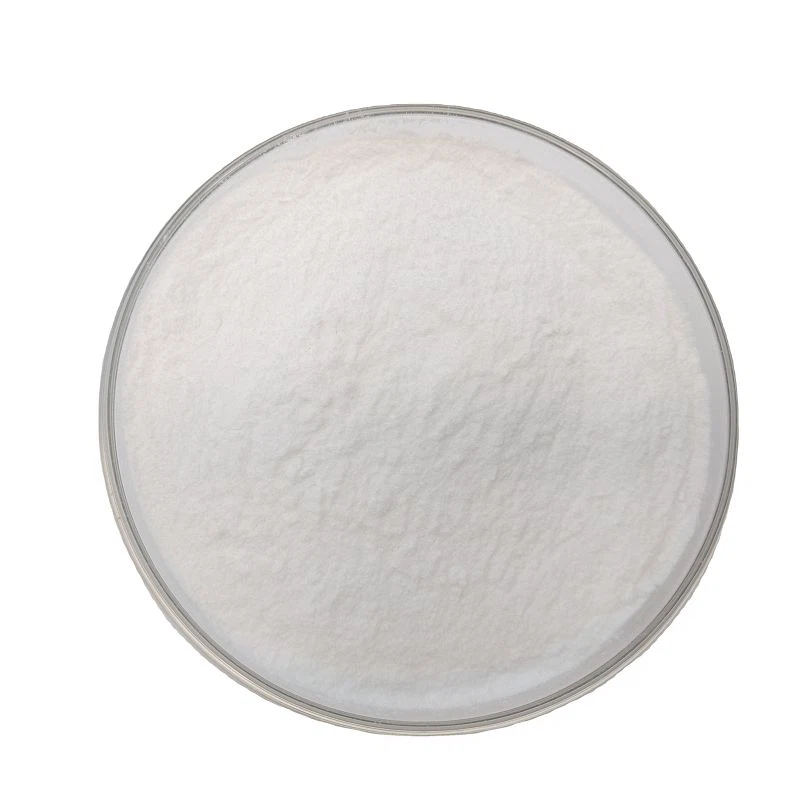

First off, let's understand what Dispersant MF is. It's a type of anionic surfactant. That's a fancy term, but basically, it helps to disperse, emulsify, and wet things. In the textile industry, these properties are super important.
One of the main uses of Dispersant MF in textiles is in dyeing processes. When you're dyeing fabrics, you want the dye to spread evenly across the material. If the dye clumps together, you'll end up with uneven color patches on the fabric. That's where Dispersant MF comes in. It breaks down the dye particles and keeps them evenly dispersed in the dye bath. This ensures that the fabric gets a uniform color, whether it's a bright red T - shirt or a pastel blue dress.
Another great thing about Dispersant MF is its ability to improve the solubility of dyes. Some dyes are not very soluble in water, which can make it difficult to use them in the dyeing process. Dispersant MF helps these dyes dissolve better, allowing for a more efficient and effective dyeing operation. This means less waste and more consistent results.
Now, let's talk about how Dispersant MF compares to other chemicals commonly used in the textile industry. Take Sodium Dodecyl Benzene Sulfonate for example. It's also an anionic surfactant and is widely used in the textile field. While Sodium Dodecyl Benzene Sulfonate is great for general cleaning and degreasing in textile mills, Dispersant MF is more specialized in dye dispersion. It has a better ability to keep dye particles separated over a long period, which is crucial for high - quality dyeing.
Then there's Penetrant BX. Penetrant BX is known for its excellent wetting and penetrating properties. It helps the dye to quickly penetrate the fabric fibers. However, it doesn't have the same level of dye - dispersing ability as Dispersant MF. In many cases, textile manufacturers use both Penetrant BX and Dispersant MF together. Penetrant BX gets the dye into the fibers quickly, and Dispersant MF ensures that the dye is evenly distributed once it's inside.
The benefits of using Dispersant MF in the textile industry don't stop at dyeing. It also has applications in textile printing. In printing, you need the ink to transfer smoothly onto the fabric and dry evenly. Dispersant MF can help with both of these aspects. It improves the flow of the printing ink, making it easier to apply, and it also helps to prevent the ink from bleeding or smudging on the fabric.
When it comes to environmental impact, Dispersant MF is a relatively friendly option. It's biodegradable to a certain extent, which means it won't cause long - term harm to the environment. This is becoming increasingly important in the textile industry, as more and more manufacturers are looking for sustainable solutions.
In terms of cost - effectiveness, Dispersant MF is a great choice. A little goes a long way. You only need a small amount of it to achieve significant results in dyeing and printing. This means that textile manufacturers can save money on chemicals without sacrificing quality.
But like any chemical, there are some things to keep in mind when using Dispersant MF. You need to make sure you're using the right concentration. If you use too much, it can cause foaming in the dye bath, which can be a hassle to deal with. On the other hand, if you use too little, it won't be as effective in dispersing the dye. So, it's important to follow the recommended usage guidelines.
Another thing is storage. Dispersant MF should be stored in a cool, dry place. Exposure to high temperatures or moisture can affect its performance.
Overall, Dispersant MF is a versatile and valuable chemical in the textile industry. It has a wide range of applications, from dyeing to printing, and it offers many benefits such as uniform color, improved solubility, and cost - effectiveness. Whether you're a small - scale textile workshop or a large - scale manufacturing plant, Dispersant MF can help you improve your production processes and the quality of your products.
If you're in the textile industry and are looking for a reliable dispersant, I'd highly recommend giving Dispersant MF a try. It could be the missing piece in your textile production puzzle. And if you have any questions or want to discuss a potential purchase, don't hesitate to reach out. I'm here to help you make the best decision for your business.
References
- Textile Chemicals Handbook
- Research papers on textile dyeing and printing processes